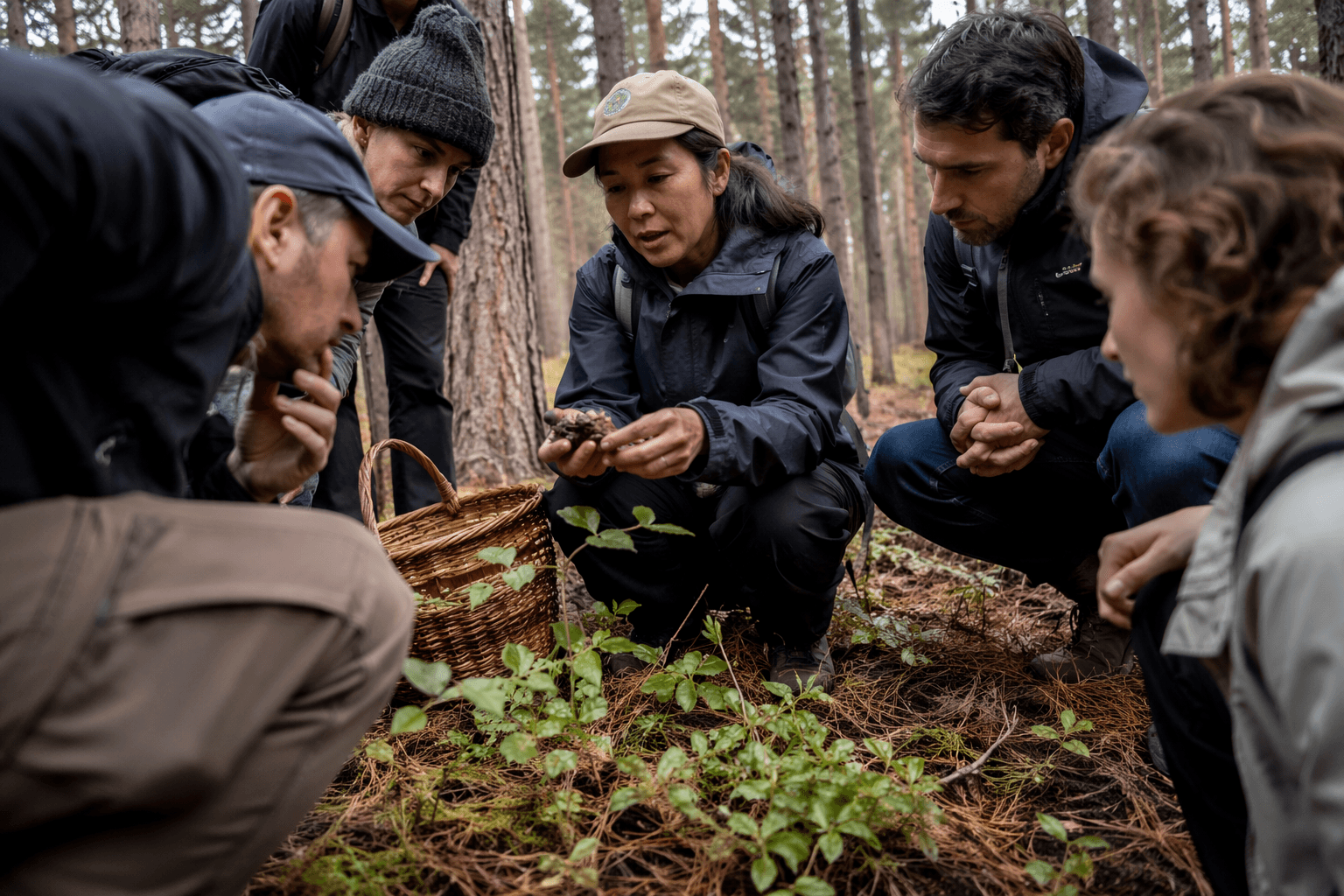
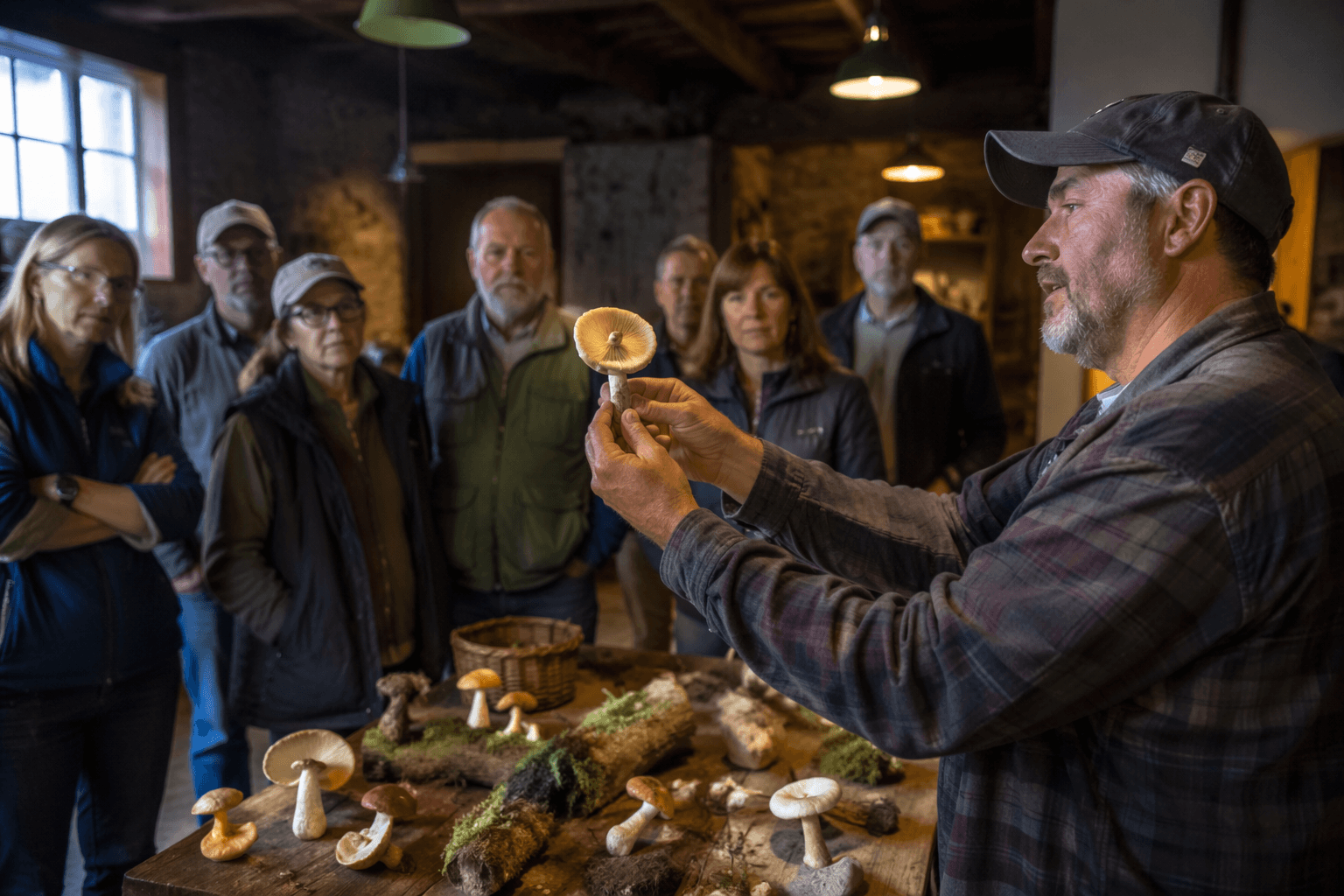
Mount Shasta mushroom classes teach foraging in Northern California woods
June classes in Mount Shasta landed in the spring flush, with guides teaching morels, boletes, tree partners and harvest rules under the snowline.
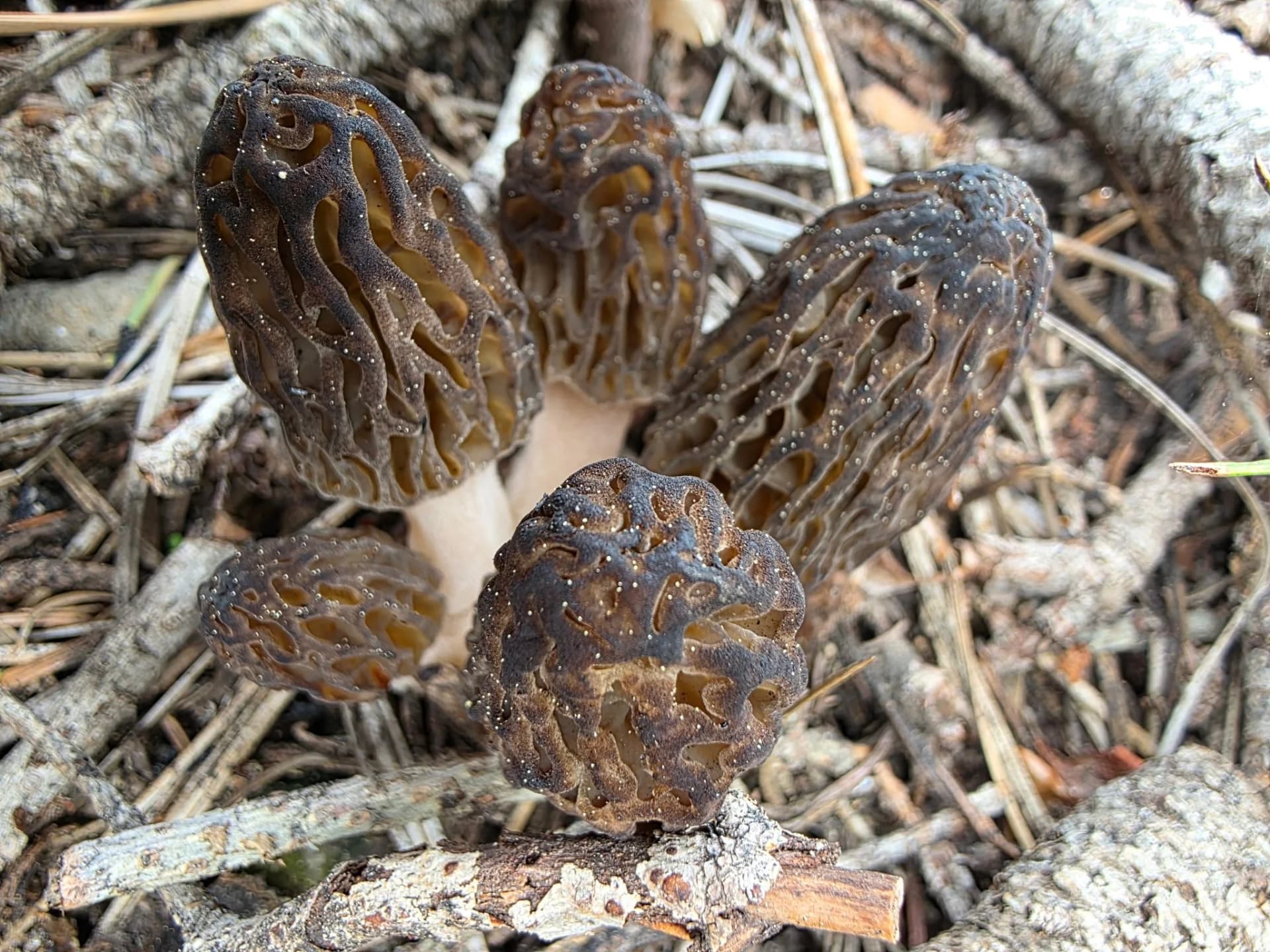
Fork In the Path’s June 20 and 21 Mount Shasta classes fell squarely inside the Shasta-Trinity National Forest’s spring mushroom season, which the U.S. Forest Service opened on April 7 and set to run through July 31 in the Mount Shasta and McCloud ranger districts. The classes were listed as four stand-alone half-day sessions on June 6, 7, 20 and 21, scheduled from 10 a.m. to 3 p.m., with the June 20 and 21 dates highlighted for foragers chasing the Northern California mountain flush.
Mikhael Crystallah-Selk led the outings, which were built around boletes and other montane mushrooms and the trees they grow with. Fork In the Path framed the June program as a hands-on class for learning wild mushroom identification, and its event listings said the outings could also include community building, mindful movement, a cooking demo and a tasting at the end. A separate free webinar on April 27, from 6:30 to 7:30 p.m., covered edible Mount Shasta mushrooms and lookalikes, along with their symbiotic tree partners.

That timing matters more than a calendar square. The Forest Service says wild mushrooms in the forest often emerge after moderate or heavy rain and grow under leaves, dead wood and other forest debris. It specifically names morels and boletus as some of the more popular mushrooms in the area. Another 2026 Mount Shasta listing pointed to the region’s high altitude, multiple burn zones and melting snowcap as reasons the area is productive for morels, porcini and butter boletes, which is exactly why spring and early summer are the key window for this kind of hunting.
The classes also leaned into the part solo beginners miss most: habitat reading. Fork In the Path’s description focused on the trees fungi are associated with, which is the difference between wandering and knowing where to look when snowmelt and weather line up. That lesson carries into safety and stewardship as well. Local reporting on the 2025 Shasta-Trinity mushroom season said personal-use harvesting was free, but limited to one gallon per day and five gallons per season, a reminder that the woods around Mount Shasta reward not just a sharp eye but a careful hand.
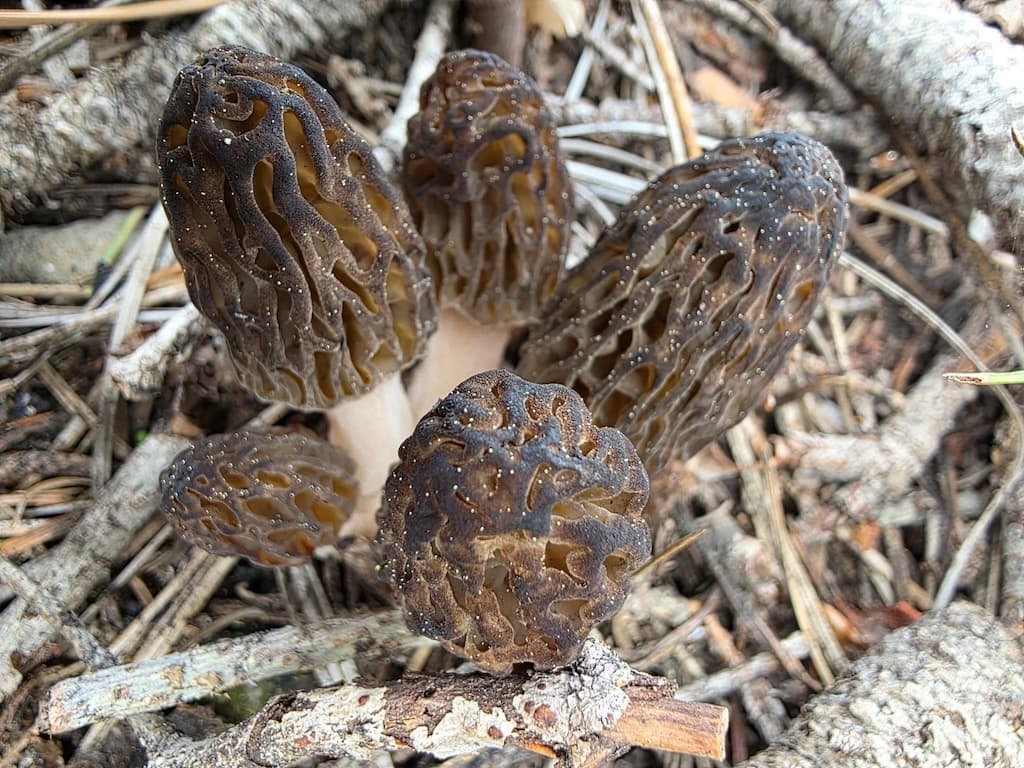
By late June, the season was already well underway, but the Mount Shasta classes showed why the real payoff comes when elevation, rain and tree relationships line up. In that window, June is less a date on the calendar than a signal that the mountain has finally started speaking in mushrooms.
This article was produced by Prism’s automated news system from verified source data, official records, and press releases, then run through automated quality and moderation checks before publishing. The system is built and supervised by the people who set the standards it runs under. Read our full AI policy.
Did this article answer your question?