Mushroom foraging essay by Erica Berry wins James Beard Award
Erica Berry’s essay on poison, pleasure and trust won a 2026 James Beard Media Award, putting mushroom foraging’s fear and appetite in the spotlight.
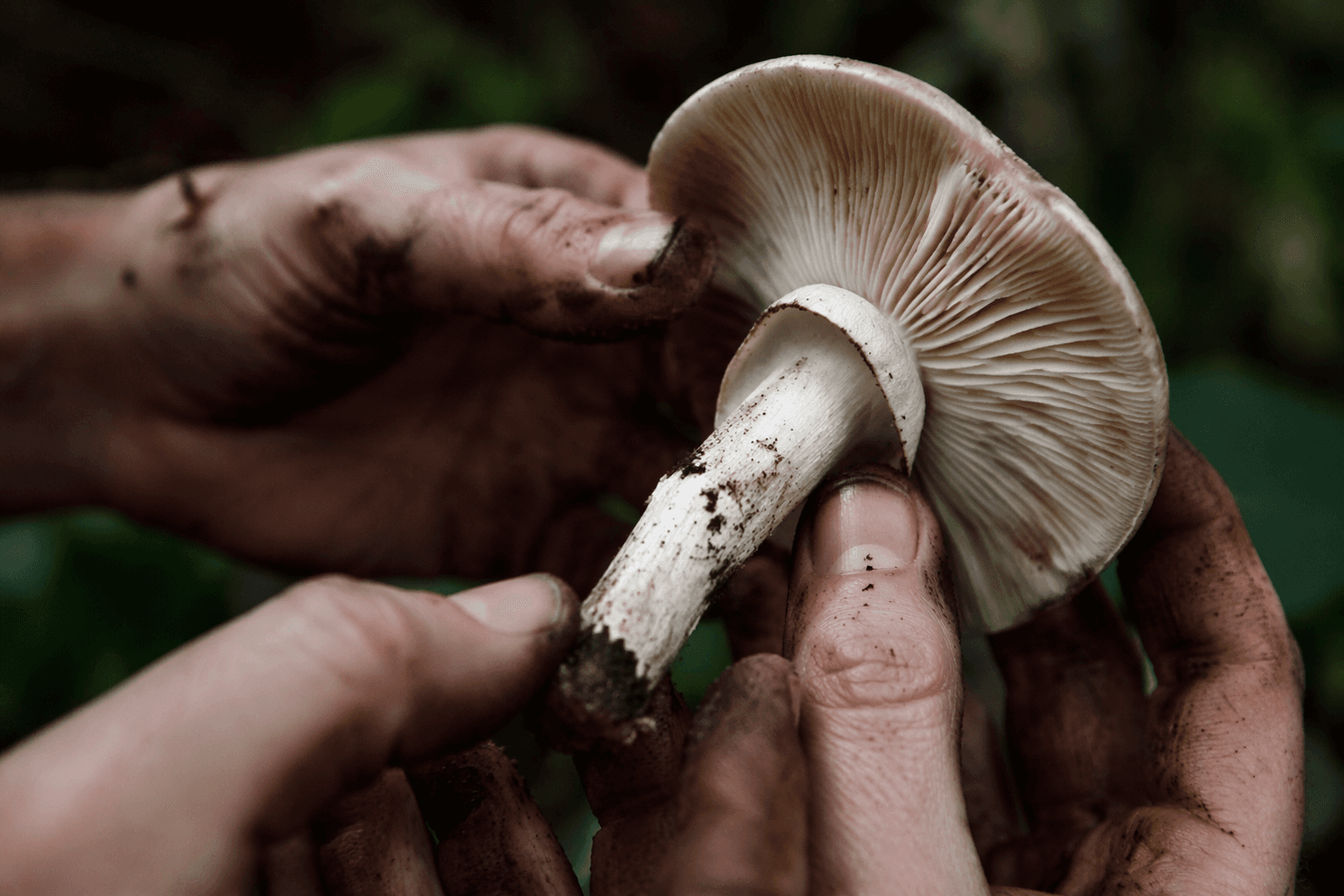
Erica Berry’s essay about mushroom foraging, appetite and fear just took one of food media’s top prizes. Berry won the 2026 James Beard Media Award in the Personal Essay category for Intuitive Eating: On Poison, Pleasure, and Trust, a piece that turns the hunt for wild mushrooms into a study of judgment and risk.
The award was presented June 13 at the Art Institute of Chicago. The James Beard Foundation says the Media Awards honor excellence in books, broadcast media and journalism covering food or drink-related content, and Berry’s win placed a deeply personal mushroom story squarely inside that mainstream food conversation.
Berry is a Portland, Oregon-based writer and teacher and a contributing editor at Orion. She is also the author of Wolfish: Wolf, Self, and the Stories We Tell About Fear and the forthcoming Bodies in Heat: Love in a Changing Climate. That background fits the essay’s pull: it is not just about what grows in the woods, but about the inner weather that shapes how people decide what is safe.
The essay ran in Orion Magazine’s Summer 2025 issue, The Future is Fungi, which was published May 29, 2025. Orion framed the issue as a fungi-centered package that also included work by Maria Popova on mushrooms’ natural intelligence and Meera Subramanian on fungi in a warming world. Orion later hosted a virtual launch event in July 2025 with Berry and Subramanian, underscoring how far the subject has moved beyond a niche field note.
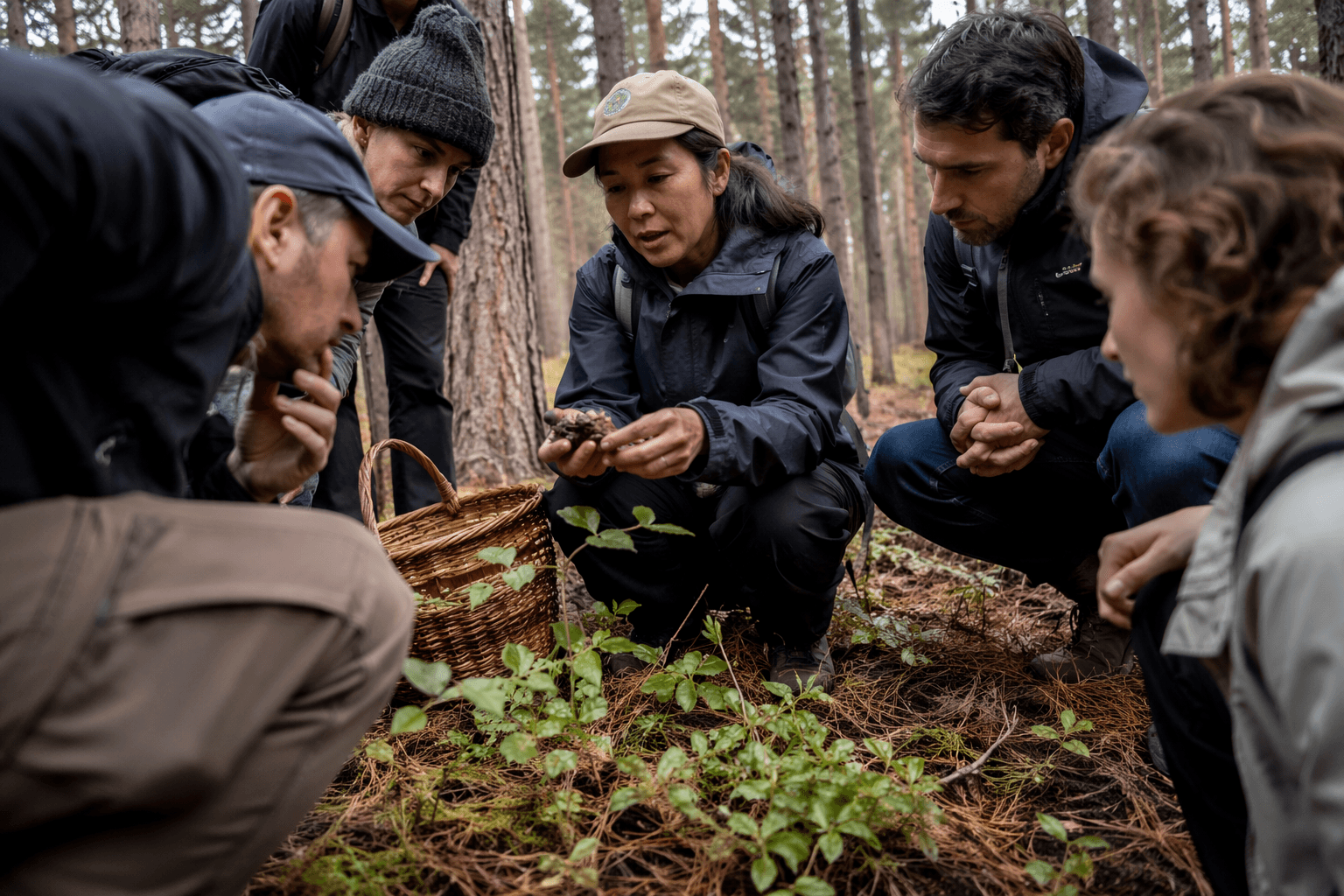
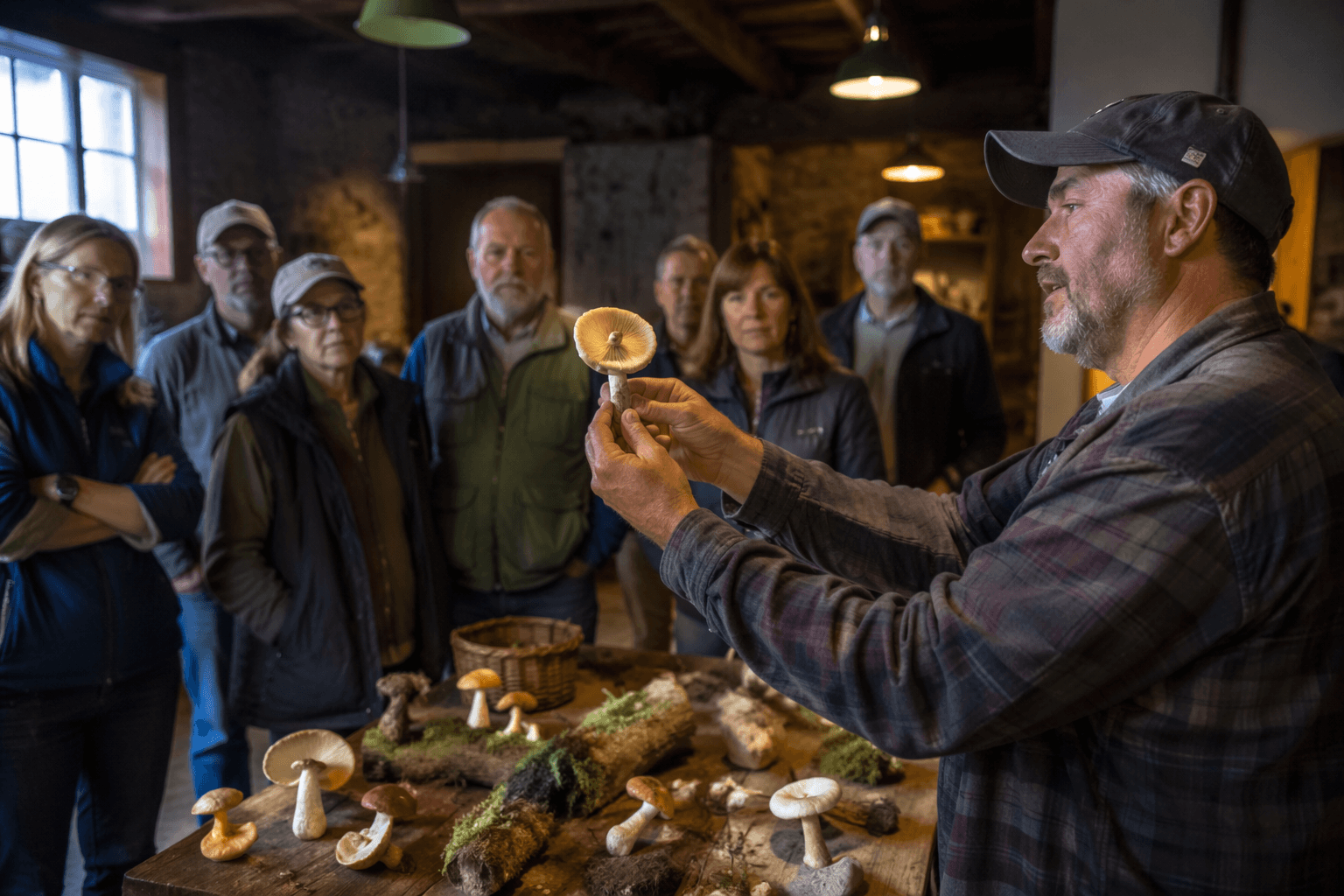
What makes Berry’s essay resonate with mushroom foragers is the way it connects identification to emotion. In the piece, Berry describes becoming obsessed with mushroom foraging at the same time she and her partner were deciding whether to live together. She joined Facebook groups for mushroom hunters and women dating advice, and noticed the same anxious question running through both spaces: how do you tell what is safe? For anyone who has stared at a bolete or chanterelle and hesitated, that is the real center of the hobby.
That tension lands especially hard in Oregon, where public health officials say mushroom poisoning illnesses rise each fall, along with more emergency-room visits and Poison Center calls. The Oregon Health Authority warns that cooking does not make wild mushrooms safe to eat and says they should only be eaten if identified with certainty by an experienced mycologist, pointing people to the Oregon Mycological Society for more learning. The agency also cites a 1988 Amanita phalloides poisoning that left five Oregon residents seriously ill, including four who needed liver transplants. Berry’s win recognizes the same lesson foragers learn in the field every season: the basket matters, but so does restraint.
This article was produced by Prism’s automated news system from verified source data, official records, and press releases, then run through automated quality and moderation checks before publishing. The system is built and supervised by the people who set the standards it runs under. Read our full AI policy.
Did this article answer your question?