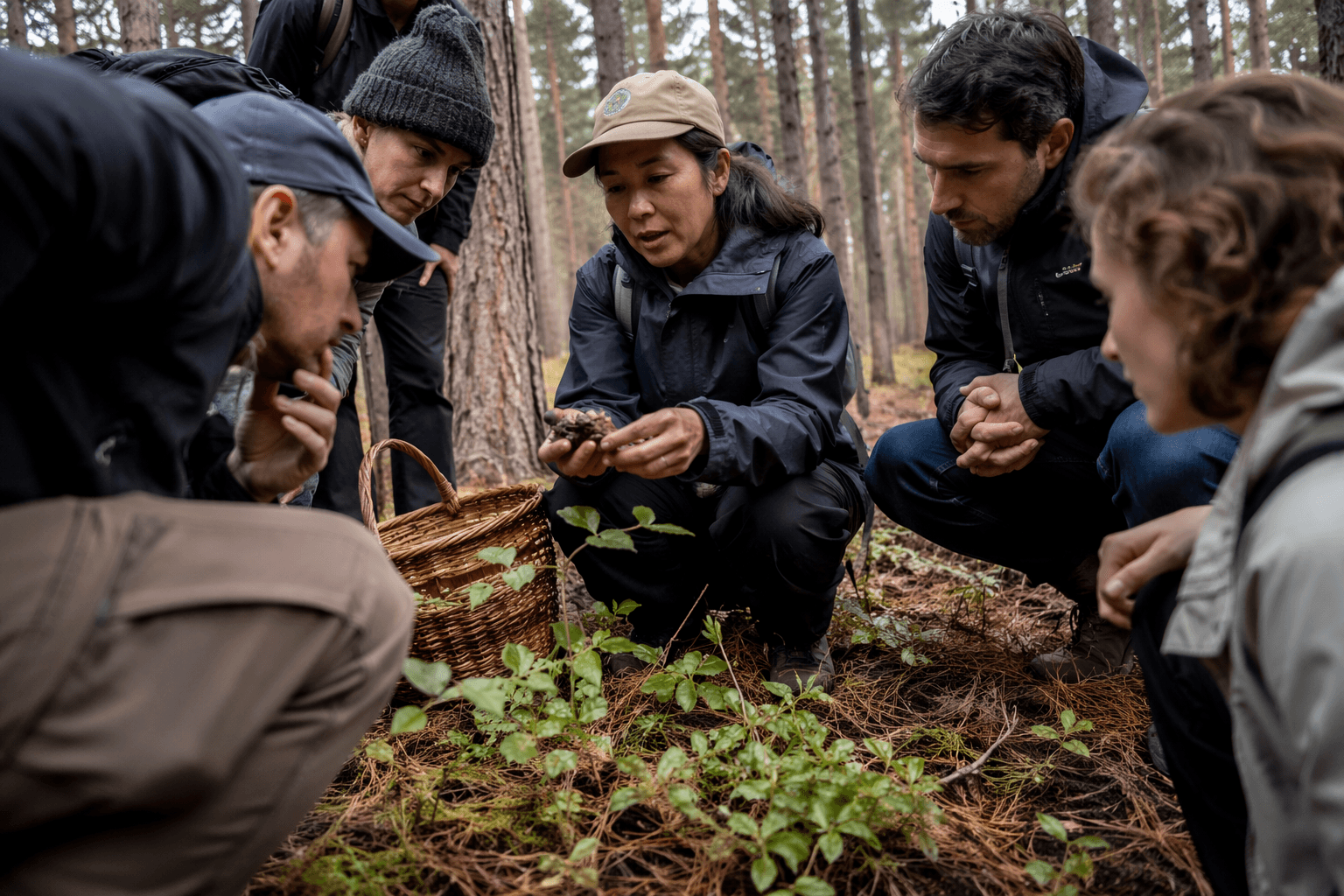
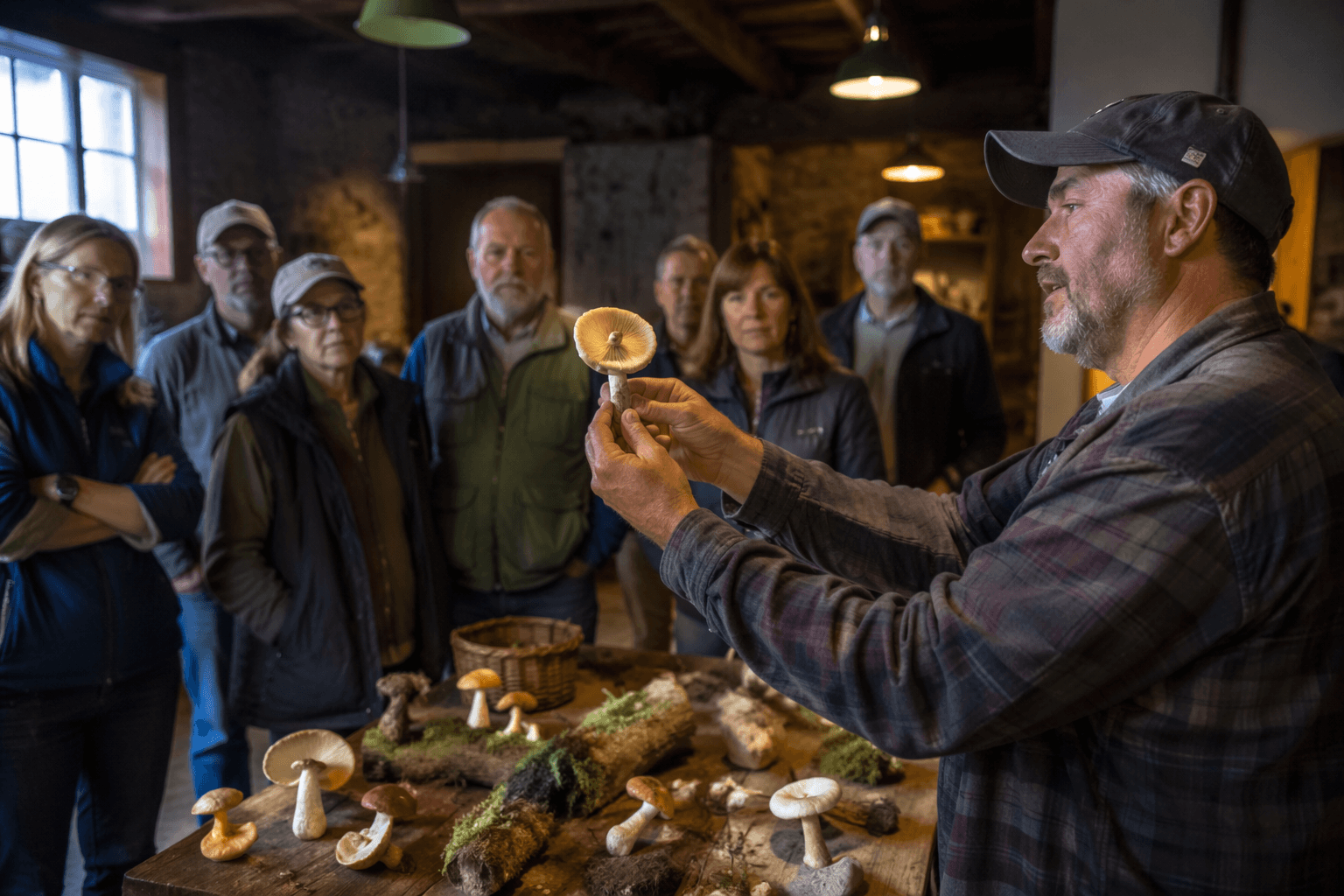
Mushroom Mountain offers state-approved wild mushroom foraging certification course
Mushroom Mountain's 2-day Acra class fed foragers early study materials, on-site exams and a 5-year permit accepted in eight states.
Mushroom Mountain put legal wild-mushroom work at the center of its June 13-14 certification course in Acra, New York, where the draw was not just field ID but the paperwork and judgment that now sit beside it. The 2-day class was billed as a state-approved permit training program for the five-year certification used for legal foraging and sale in South Carolina, North Carolina, Georgia, Virginia, Alabama, Pennsylvania, New York and Rhode Island.
The setting matched the subject. Cornell Cooperative Extension’s Agroforestry Resource Center in Acra has operated since 2003 and has hosted hundreds of educational events that drew thousands of attendees from across the region and the Northeast. Cornell describes the center as a place focused on the benefits of woodlands to people, waterways, wildlife and long-term land stewardship, a fitting backdrop for a class built around responsible harvest, habitat awareness and safe use of forest resources.

The certification carried weight because wild mushrooms are handled differently from cultivated ones. Cornell Small Farms says New York’s harvest-and-sale rules require an approved expert, and that status can come through course completion, testing and traceability measures. The reason is simple: wild mushrooms bring a higher misidentification risk than farmed product, and Pennsylvania’s Department of Agriculture puts the scale of the challenge in sharp relief, saying there are more than 200,000 wild mushroom species in the region, about 200 edible species and only about 25 that are normally sold. Its guidance also calls for harvest logs, labels and records that track species, harvester identity, location, date and net weight.

Mushroom Mountain built those compliance steps into the course structure. Registered participants received study guides and slide materials about a month before class, then took the exam on site. Class size was capped at 40, which pointed to a small, hands-on format rather than a broad lecture, and the instruction came from one of five instructors who teach the company’s regional classes. Mushroom Mountain also says some states require harvest logs, tracking numbers on boxes and invoices, and restaurant record retention for 30 to 90 days, depending on the state.
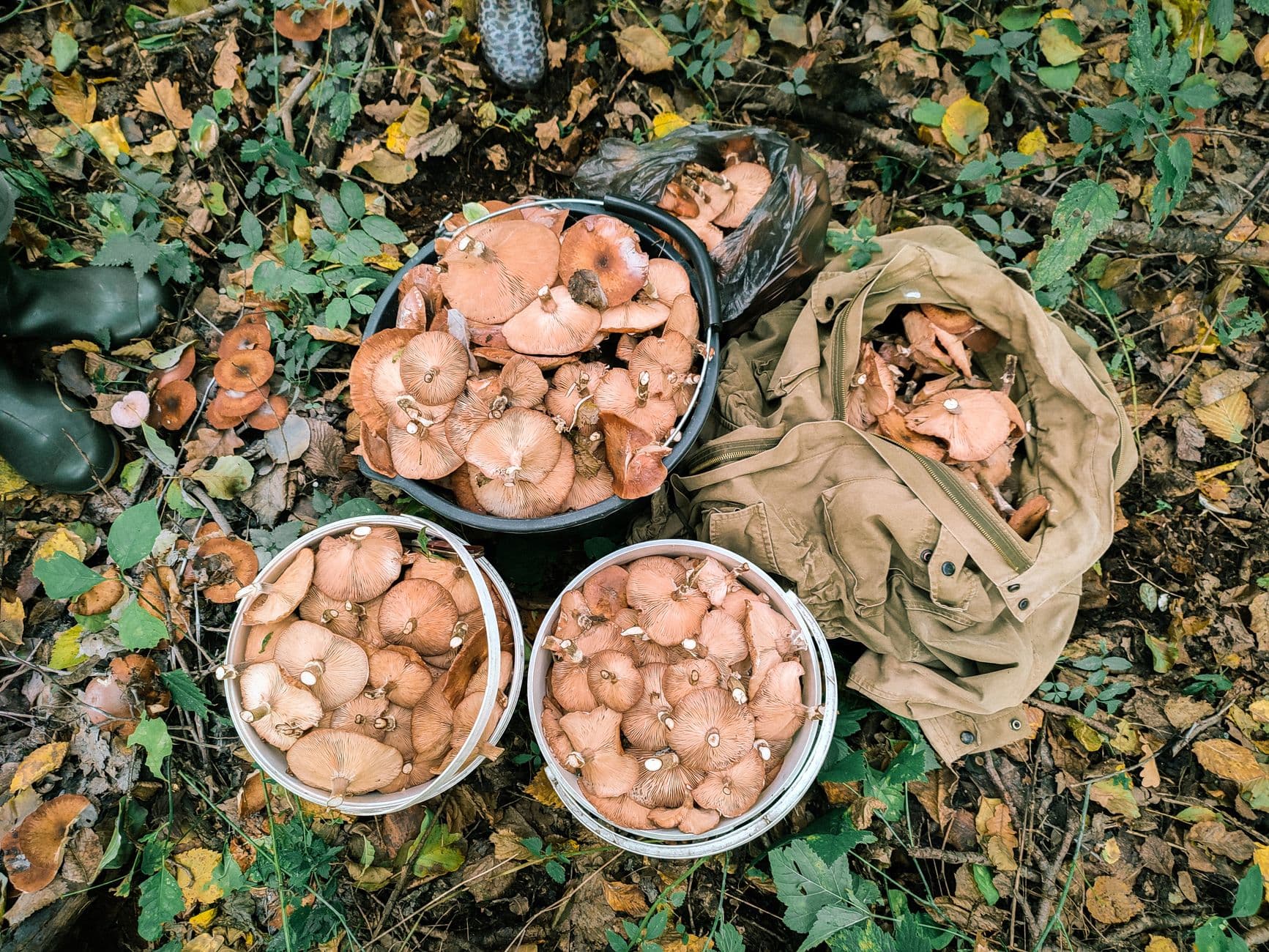
Christine Gagnon’s background matched the course’s emphasis on field judgment. Her Uncanoonuc Foraging bio says she first encountered edible wild mushrooms in childhood in Quebec and then dug deeply into identification in 2018, studying fungal taxonomy, ecology and safe identification practices. She now teaches others through group walks and talks. That is the core message of the Acra certification: in wild mushrooms, competence is not separate from legality, and trust starts long before anything reaches a restaurant or market.
This article was produced by Prism’s automated news system from verified source data, official records, and press releases, then run through automated quality and moderation checks before publishing. The system is built and supervised by the people who set the standards it runs under. Read our full AI policy.
Did this article answer your question?