MushroomExpert.com adds Gyroporus key, expands species updates in June 2026
A revised Gyroporus key now covers 11 species, with fresh additions and revisions landing days apart as bolete IDs keep shifting.
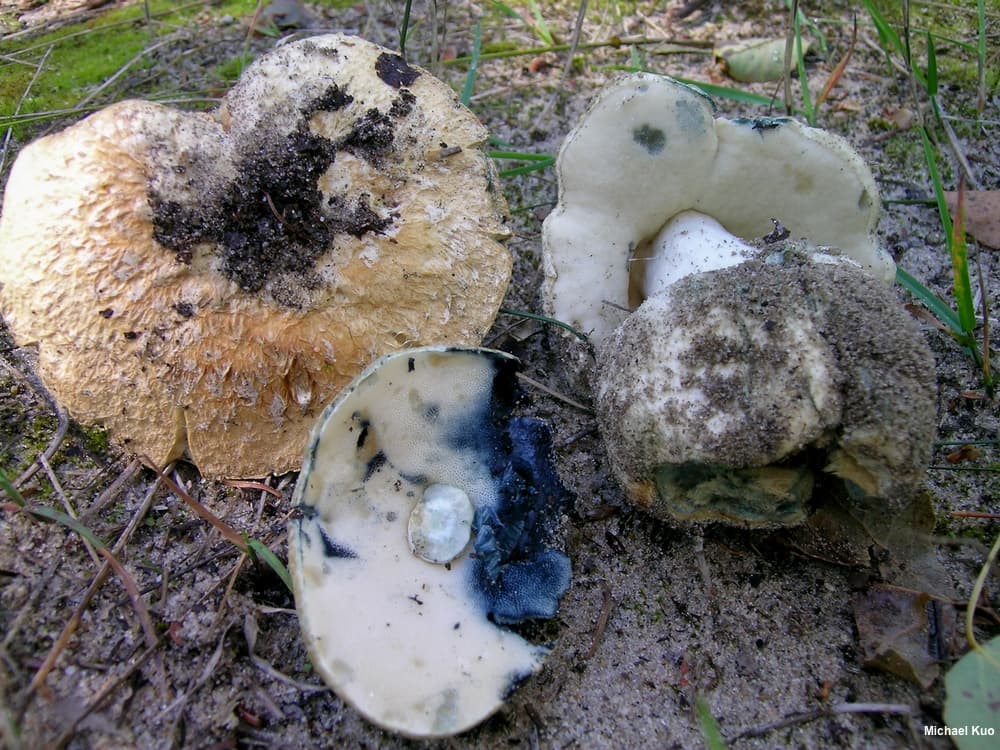
A new Gyroporus key has pushed MushroomExpert.com deeper into the fine print of bolete identification, and that matters when brittle-stemmed lookalikes start turning up in the woods. The June 15 revision now keys 11 species, giving advanced mushroom students a sharper way to sort a genus that is easy to recognize at a distance and notoriously tricky to pin down species by species.
The update did not arrive alone. MushroomExpert.com logged Gyroporus smithii as added on June 14, Gyroporus borealis on June 13, and Gyroporus castaneus as revised on June 12. The front page also records earlier June changes to Gyroporus purpurinus and Gyroporus cyanescens, a pattern that shows the genus is being actively reworked rather than left to sit under an old, catch-all label. For field users, that kind of steady revision can change which names get attached to collections and which characters deserve closer attention in the hand and under the lens.

That is especially useful because MushroomExpert describes Gyroporus as a very small genus of boletes with brittle, hollow stems and yellow spore prints. Those traits can get a finder to the genus quickly, but they do not solve the harder problem of separating one species from another when cap color, stem texture, and habitat start overlapping. MushroomExpert also says the mushrooms are mycorrhizal, while noting that some species may have a questionable relationship to trees, another reminder that old habitat assumptions do not always hold up cleanly across the group.
The site’s own boundaries sharpen the point. MushroomExpert.com states plainly that it contains no information about the edibility or toxicity of mushrooms, making it a morphology-and-taxonomy reference rather than a safety guide. That distinction keeps the June update squarely in the identification lane: better keys improve the name you assign to a find, but they do not tell you whether a mushroom belongs on the plate.
The broader taxonomic picture is moving just as fast. A 2021 paper in Mycological Progress provided a key to known Chinese Gyroporus species and found Chinese and Southeast/South Asian species to be closely related. A separate summary noted that Gyroporus was estimated at 10 widely distributed species in 2008, while later database counts climbed much higher. In that context, the new 11-species key looks less like a small housekeeping change and more like a practical reminder that bolete season demands updated eyes.
This article was produced by Prism’s automated news system from verified source data, official records, and press releases, then run through automated quality and moderation checks before publishing. The system is built and supervised by the people who set the standards it runs under. Read our full AI policy.
Did this article answer your question?