Newtown library hosts mushroom foraging class for beginners
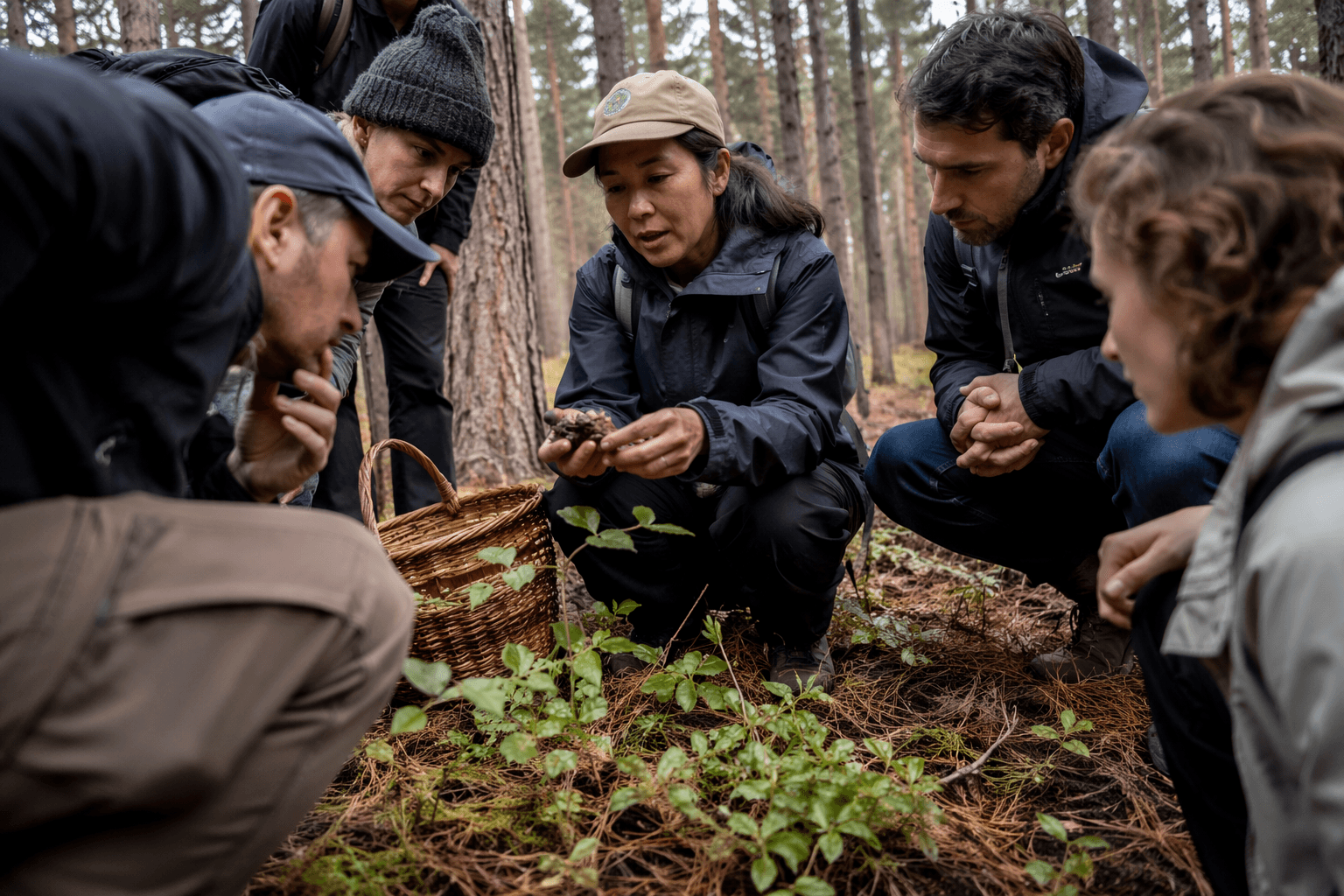
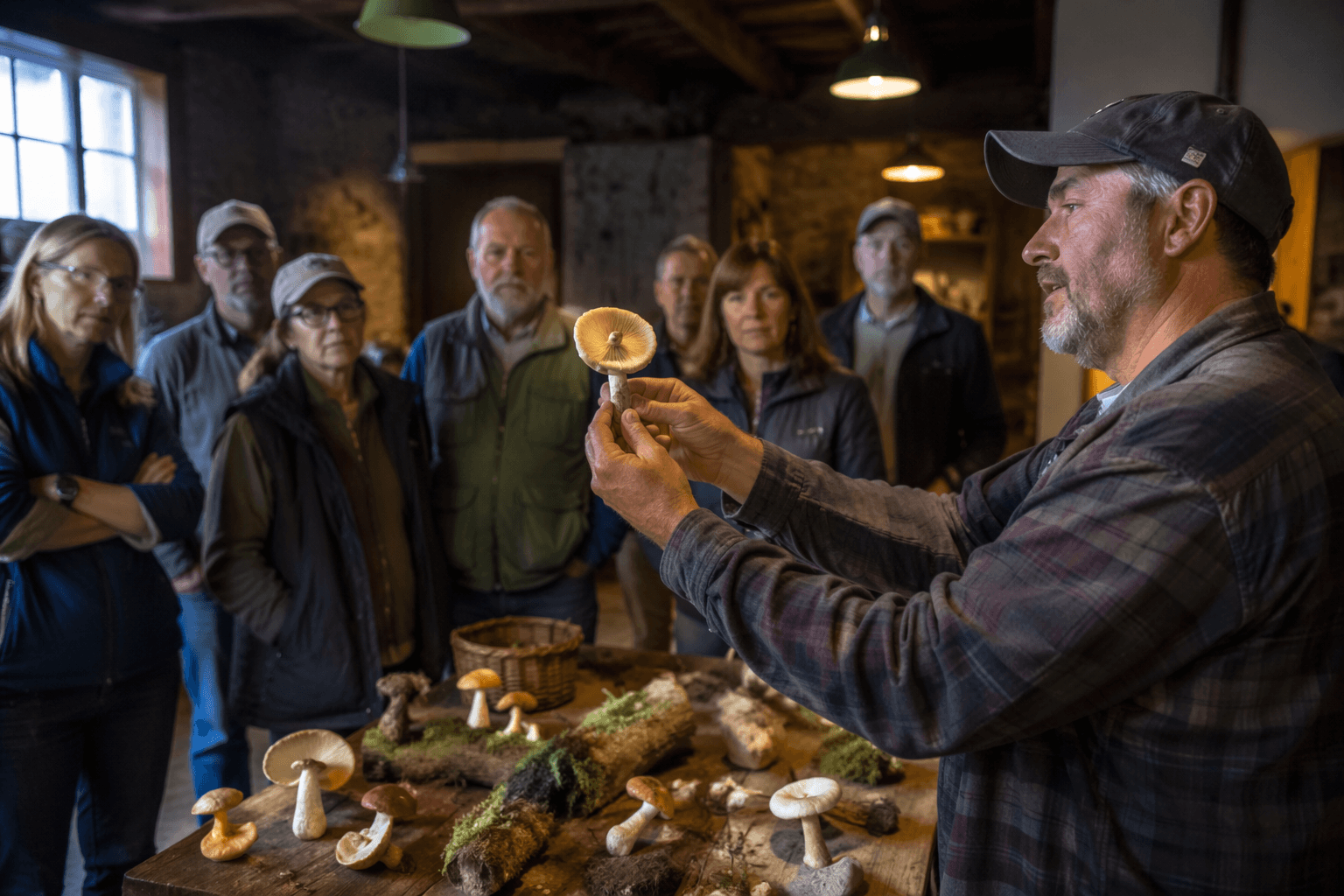
Newtown’s C.H. Booth Library opened mushroom foraging to beginners with a two-hour class led by James Calcagnini on safe ID, local species and the rules before a first pickup.

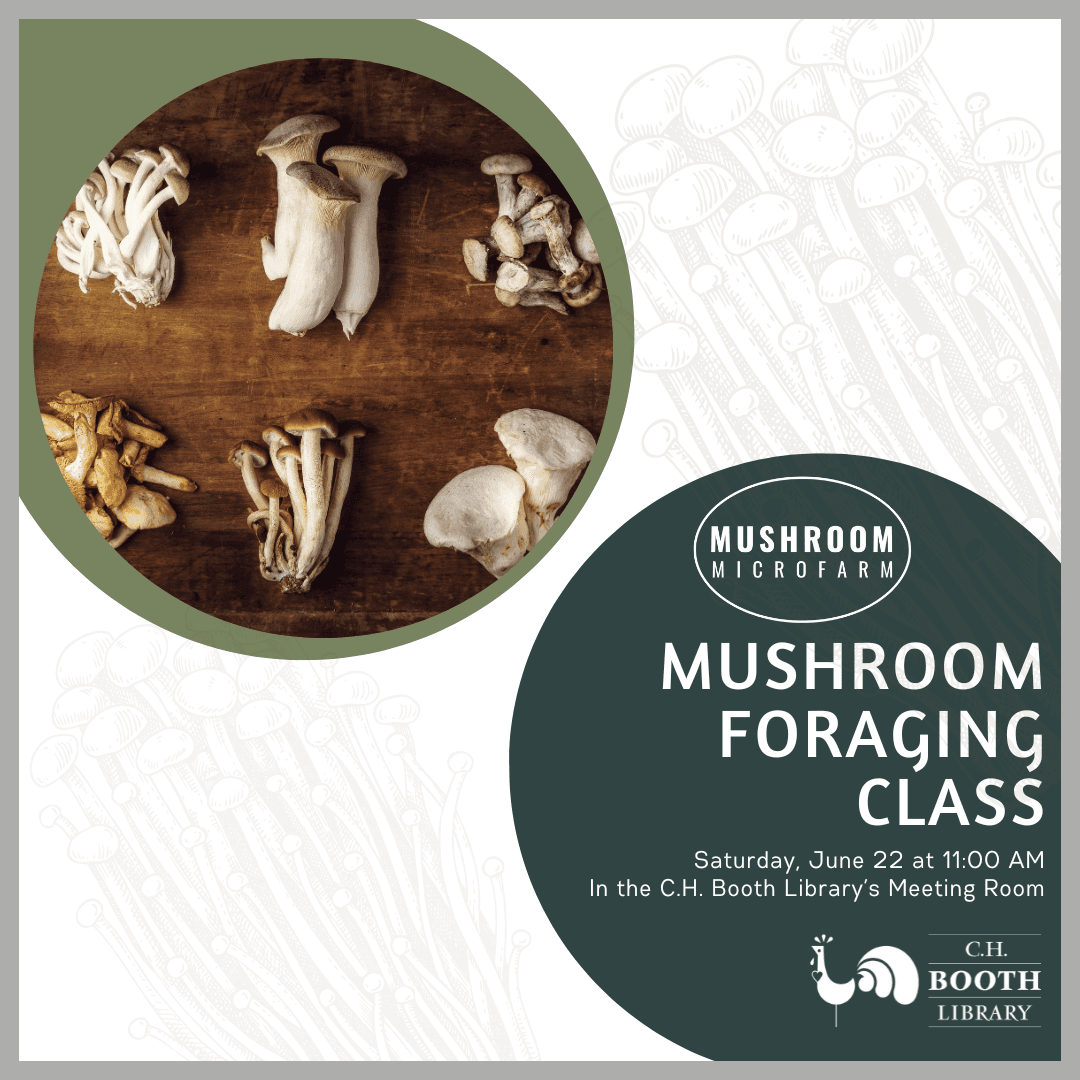
A public library became a first stop for mushroom hunters in Newtown, as the C.H. Booth Library welcomed beginners into an Introduction to Mushroom Foraging class built around safety, identification and the limits of guessing. The two-hour session ran from 2:00 p.m. to 4:00 p.m. on June 20, 2026, and was led by certified mushroom forager and professional grower James Calcagnini of Mushroom Microfarm.
The setup mattered as much as the topic. Instead of a guided hunt or a specialty-club outing, the library offered a hands-on educational talk, the kind of low-pressure setting where newcomers can learn field vocabulary before they ever put a basket together. The focus was on how to safely identify local varieties of mushrooms and on the basics people need before trying to forage on their own.
That distinction is important in mushroom culture, where a single photo can be a dangerous shortcut. A first class should teach careful observation, not confidence without proof. It should spell out why “when in doubt, throw it out” is more than a slogan, because mushroom identification is local, seasonal and full of lookalikes that punish sloppy assumptions. Calcagnini’s session fit that model by centering the core habits experienced foragers treat as non-negotiable: confirm every mushroom before considering it edible, and never let curiosity outrun certainty.
The library listing also pointed to the broader appetite for beginner instruction. Public institutions keep finding room for mushroom ID programs because people want a practical way in, especially in summer when the woods start tempting new foragers to move beyond app-based guessing. In that sense, the class offered more than a one-day lesson. It gave Connecticut newcomers a plainspoken entry point into a hobby that rewards patience, habitat knowledge and restraint.
Before signing up for any mushroom foraging workshop, ask who is teaching, what credentials and field experience that person has, whether the class covers toxic lookalikes as well as edible species, whether it is classroom-based or includes a field walk, what gear you are expected to bring, and how much of the session is spent on safety rather than spectacle. Those questions tell you quickly whether the workshop is building real competence or just selling the thrill of a basket.
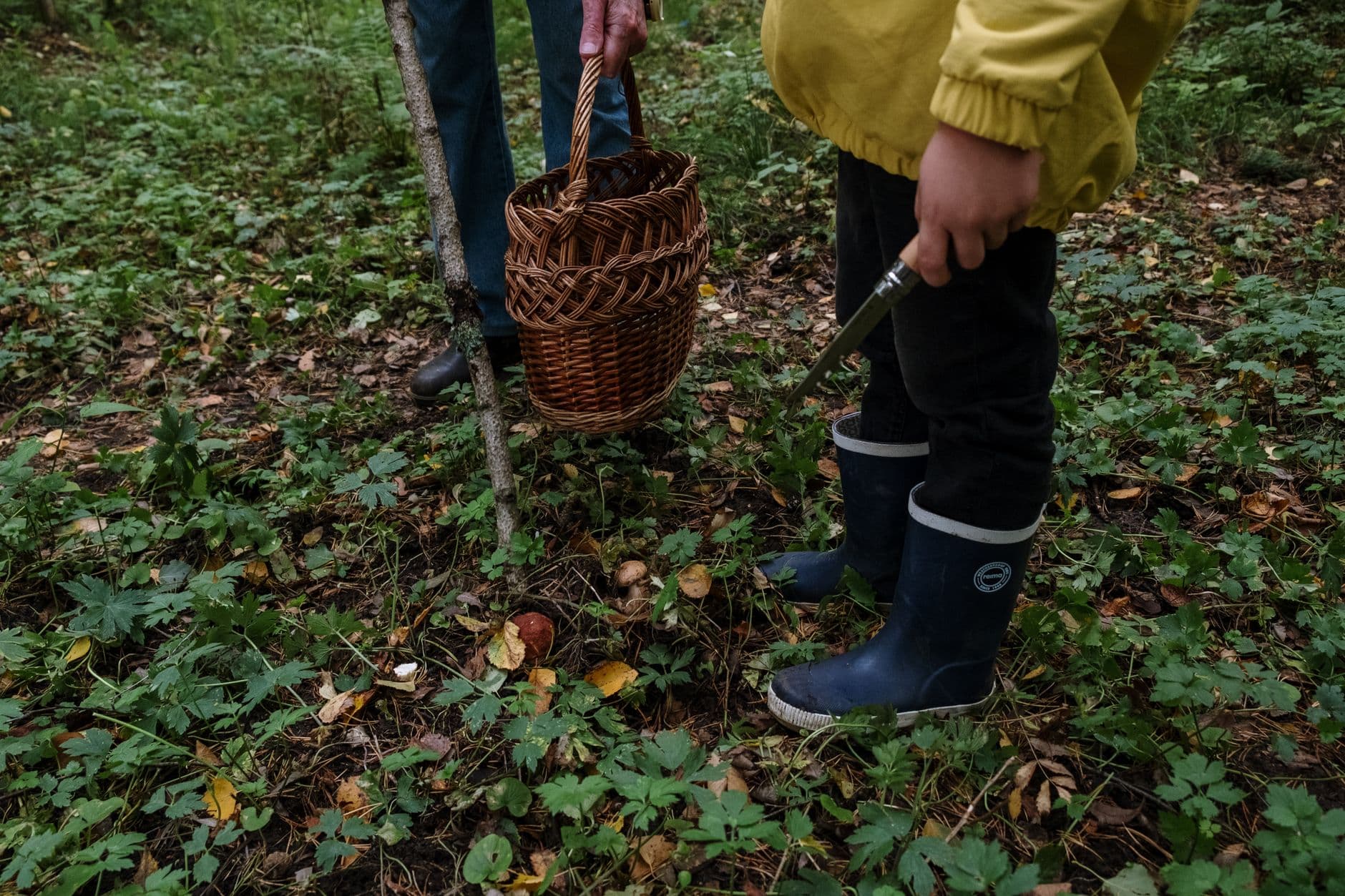
That is why a library makes sense as a starting place. Before the first chanterelle or oyster ever lands in a basket, the real first harvest is judgment, and that is what a beginner class is supposed to grow.
This article was produced by Prism’s automated news system from verified source data, official records, and press releases, then run through automated quality and moderation checks before publishing. The system is built and supervised by the people who set the standards it runs under. Read our full AI policy.
Did this article answer your question?