North Korea’s border crackdown ends Ryanggang mushroom trade
Border controls along the North Korea-China frontier have stopped Ryanggang’s mushroom trade, leaving Hyesan foragers with “nowhere to sell.”
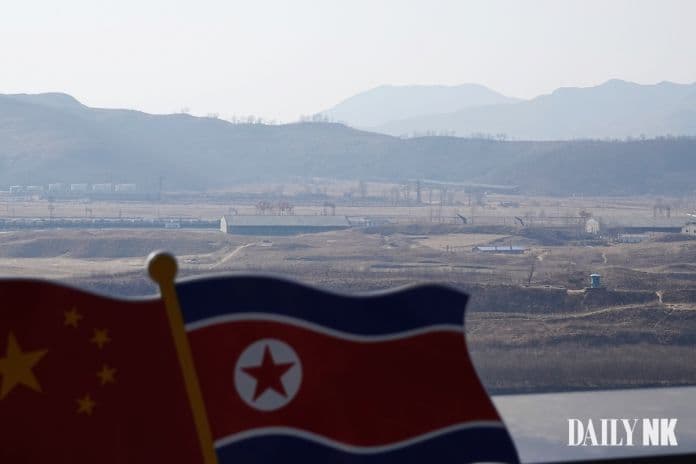
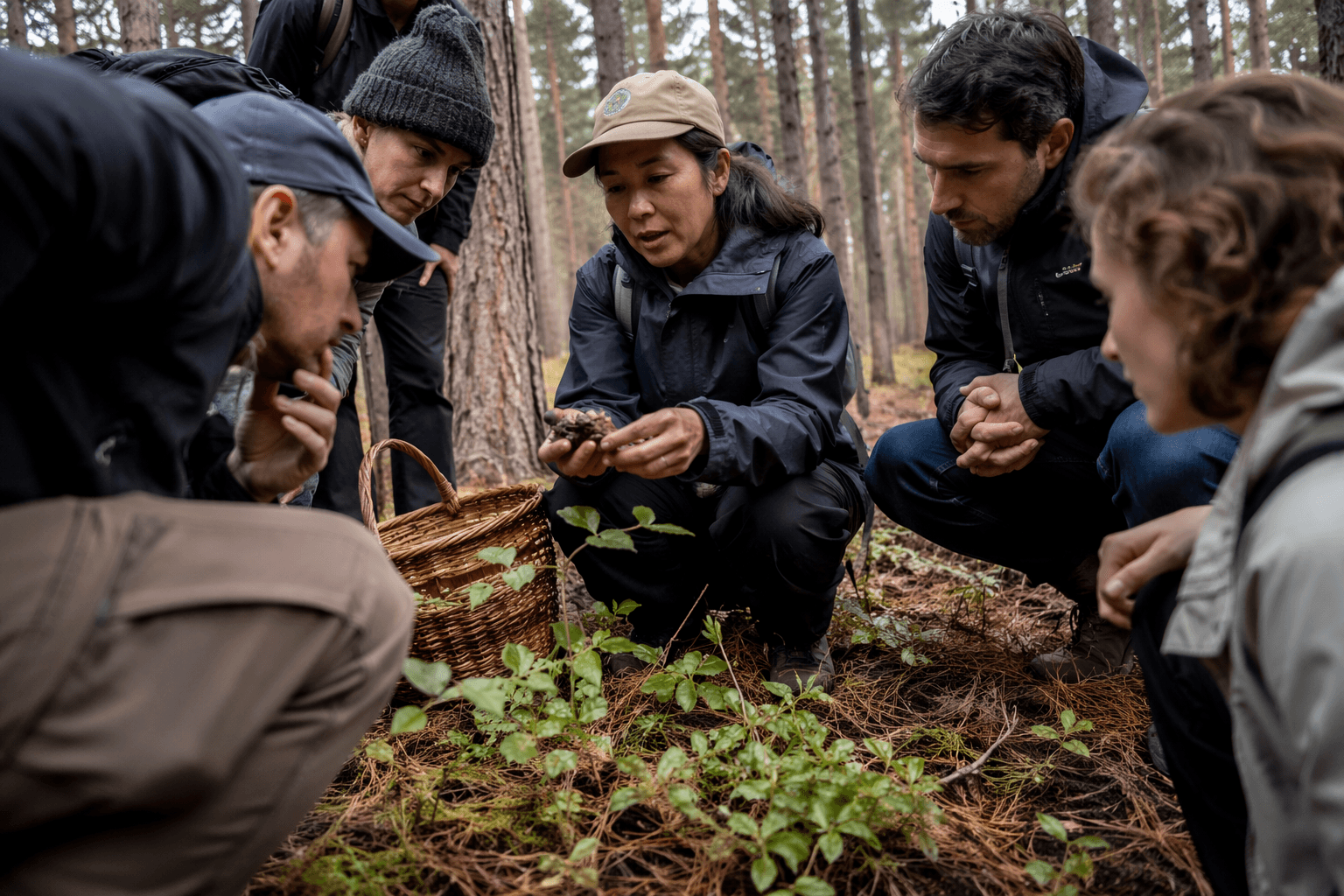
Tightened border controls along the North Korea-China frontier have effectively shut down the seasonal mushroom trade in Ryanggang Province, cutting off a summer cash source that many families around Hyesan had depended on for years. The gathering season traditionally began around mid-June, when residents climbed the mountains to collect wild mushrooms and move them through middlemen into China. Now the trade has stalled because border enforcement has intensified and buyers are no longer willing to carry goods across the frontier.
For households in Hyesan, the loss goes beyond a missed sideline. Wild mushrooms had been one of the few ways to turn a brief harvest into money for food staples and daily necessities, especially in a region where steady income options remain limited. Some foragers still tried to sell into local semi-official markets, but prices were too low to justify the trip, and people stayed out of the mountains because there was, in the words of one source, “nowhere to sell.”
The shutdown also reflects how much Hyesan’s border economy has changed. The city, on the Yalu River, has long served as a cross-border trade hub, and market activity expanded there in the late 1990s after North Korea’s state ration system collapsed. But control has tightened again this year. State-led smuggling in the Hyesan area was suspended again in April 2026, and earlier reporting showed that the same border networks had been used to move medicinal herbs, lingzhi mushrooms and dried leeches into China.
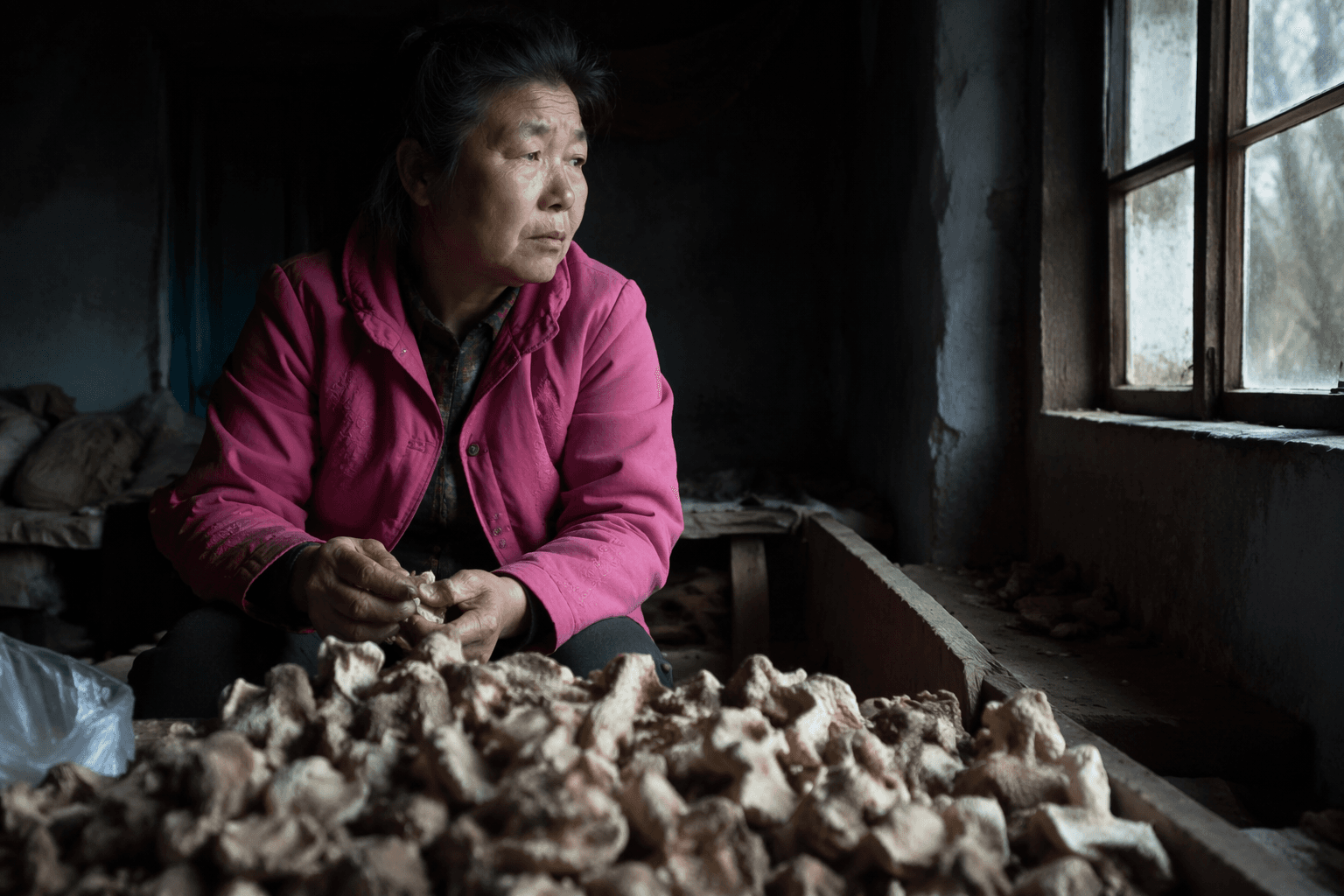
Hyesan’s role in informal trade has deep roots. Asia Press has described smuggling and border crossings there as thriving for more than 40 years, and in 2025 it identified 24 smuggling routes along roughly an 80-kilometer stretch between Hyesan and Kim Jong Suk County in Ryanggang Province. That web of routes helped turn foraged goods into seasonal income. As those channels close, the mushroom harvest still begins in the mountains, but the market that once waited below has disappeared.
This article was produced by Prism’s automated news system from verified source data, official records, and press releases, then run through automated quality and moderation checks before publishing. The system is built and supervised by the people who set the standards it runs under. Read our full AI policy.
Did this article answer your question?