Ohio Mushroom Festival 2026 blends foraging, workshops and gourmet dining
Ohio Mushroom Festival 2026 turns a camping weekend into a foraging classroom, with hikes, workshops and chef-led dinners at Joe Bottoms Campground.
The Ohio Mushroom Festival is built as much for skill-building as for socializing, and that balance is what gives the 2026 weekend its pull. Set for June 26-28 at Joe Bottoms Campground in Hammondsville, Ohio, with directions listed for 2564 County Road 72, the gathering blends mushroom education, plant knowledge, camping, and food into one regional stop for foragers.
What the weekend is built to teach
The clearest value for mushroom hunters sits in the learning program. The festival’s mission centers on sharing knowledge about the culinary, healing, and medicinal properties of mushrooms and plants, and the schedule follows that promise with lectures, hands-on workshops, and guided hikes. That makes the event useful whether you are just learning the difference between a good edible habitat and a risky one, or you already know your local species and want a better read on ecology and collection practices.
The lecture track is aimed at practical understanding. Topics include mycology, fungal ecology, foraging tips, and culinary uses, which means the talks are not just broad mushroom culture sessions. They are intended to help attendees recognize how fungi fit into their habitats, how to approach the woods with better field judgment, and how mushrooms move from forest floor to kitchen without losing their identity along the way.
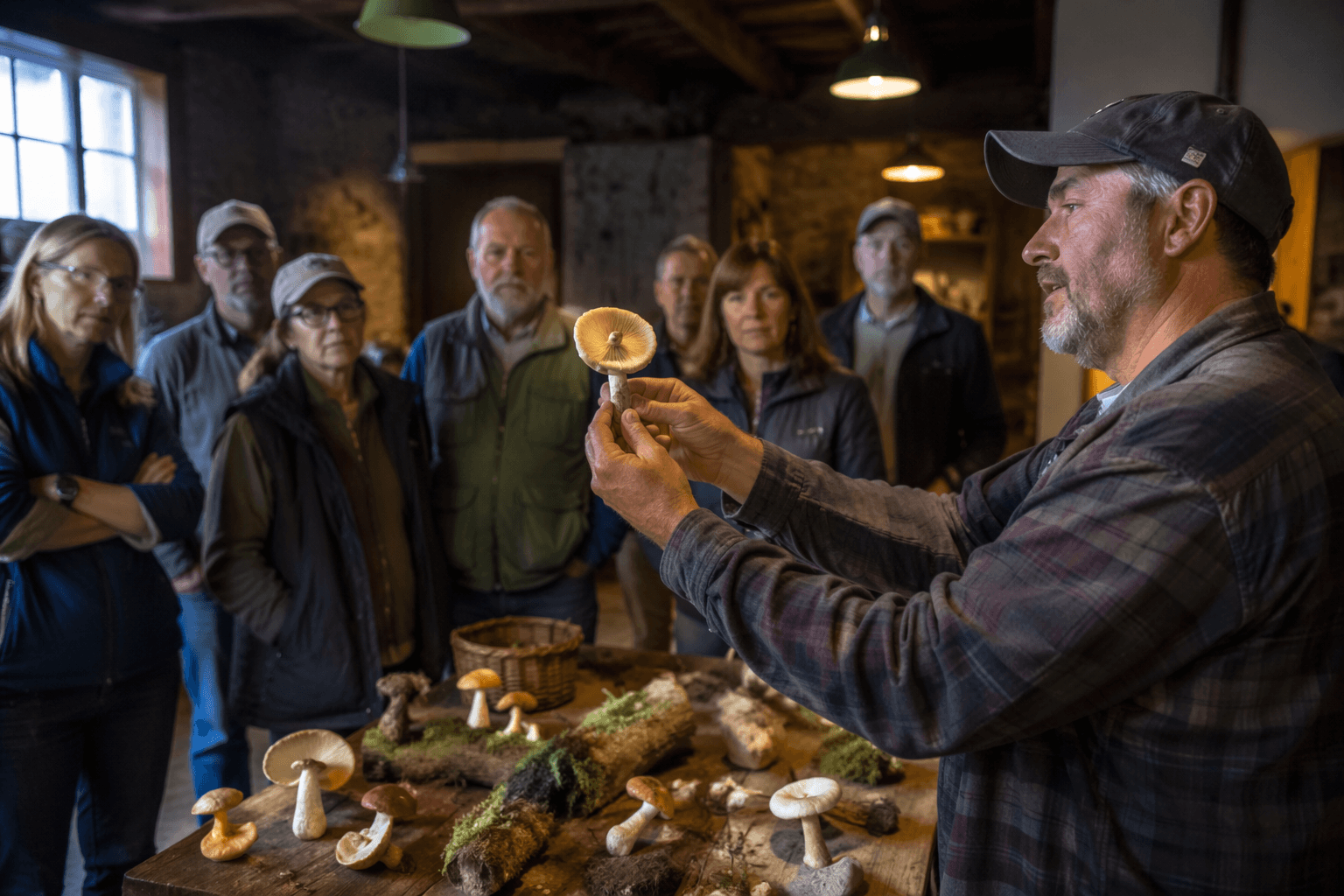
The workshop lineup gets even more hands-on. The official programming highlights spore printing, substrate preparation, safe identification, and mushroom cooking demonstrations. For foragers, that combination matters: spore prints and identification drills sharpen field confidence, while substrate work pushes the conversation beyond picking into how fungi grow and what their environments need. The cooking demonstrations also close the loop, showing what happens after harvest and how edible finds are handled once they reach the table.
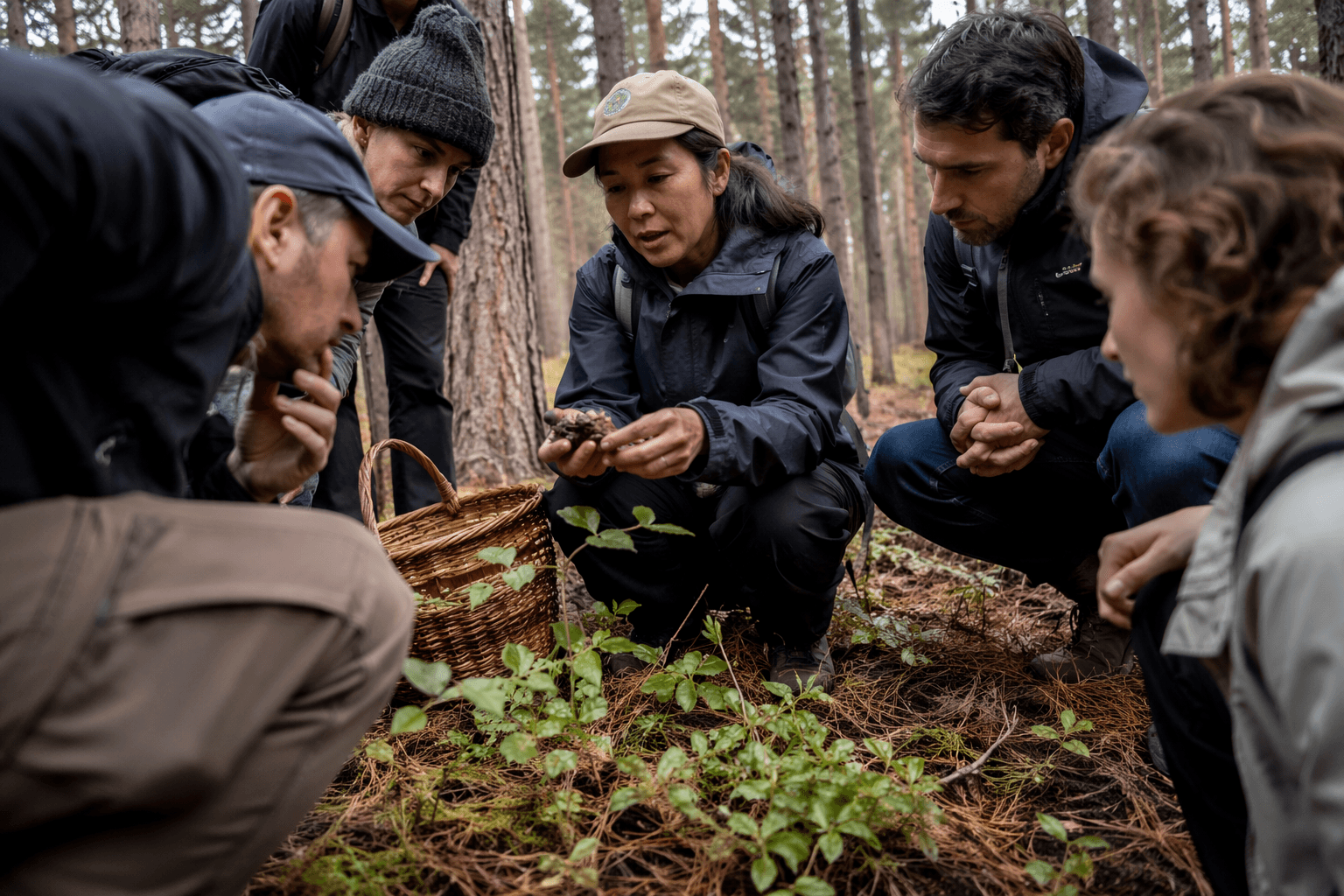
Guided hikes give the festival its most direct field component. Mushroom experts lead attendees through local habitats while explaining how to recognize fungi, forage sustainably, and understand the ecological role mushrooms play. That is the part of the weekend most likely to translate into real-world collecting habits, because it ties identification to habitat, and habitat to responsible harvest. It is the most useful setting for learning what not to take, where to look, and how to read the landscape before reaching for a basket.
Where the festival shifts from field work to feast
The food side is a major draw, but it is also a different kind of experience from the hikes and workshops. The festival describes dinners prepared by master chefs who turn mushrooms into gourmet dishes, and that makes the event feel less like a simple educational fair and more like a full mushroom culture weekend. For attendees, those dinners are the clearest example of the festival’s culinary identity.
Ohio Magazine’s listing for the third annual festival in 2025 showed how broad the weekend has already become, with night hikes, cooking demonstrations, workshops, food trucks, live music, and activities for kids. That mix tells you where the educational spine sits and where the social atmosphere takes over. The hikes and workshops are where the identification and ecology lessons live; the food trucks, live music, and kids’ activities create the festival feel around them.
The 2025 coverage also points to an event that has moved beyond a small club outing. Being described as the third annual festival signals continuity, and the range of activities suggests a gathering that works for both serious mushroom people and families who are there for the atmosphere. The result is a weekend that can hold a field notebook in one hand and a dinner plate in the other.
Tickets, camping, and practical entry points
The logistics are straightforward, but the pricing tells you a lot about how the event is structured. Official ticketing lists the following options:
- Weekend pass: $125
- Day pass: $40
- Day pass with camping: $65
- Gate weekend price: $150
- Gate day price: $50
- Kids ages 15-18 camping pass: $20
- Kids ages 15-18 day pass: $10
The festival’s ticket page says sales end June 24 and that the event is rain or shine. That matters for anyone planning a foraging weekend, because it puts the burden on advance planning rather than walk-up flexibility. The higher gate prices also reward early commitment, which is a useful detail for anyone deciding whether to make the drive and camp for the full weekend.
The official shop also shows a Thursday early-bird option, along with weekend admission, day passes, camping with weekend admission, and vending passes. That setup gives the festival more of a multi-day campout feel than a one-off market. It also makes room for sellers, which matters if you are coming to compare field notes, browse supplies, or connect with other mushroom people between sessions.
Why foragers beyond Ohio are paying attention
The festival’s footprint reaches beyond Hammondsville. The Western Pennsylvania Mushroom Club lists the Ohio Mushroom Festival as a June 2026 foray, which puts it on the radar for a wider regional mushroom community. That kind of outside calendar placement usually happens when an event has earned a reputation as worth the trip, especially for club members who follow habitat, species, and seasonal movement across state lines.
The broader philosophy behind the weekend also lines up with what the North American Mycological Association promotes: scientific and educational activities related to fungi, along with responsible mushroom collecting that does not harm fungi or habitats. That is the same ethic the festival leans into through its talks, hikes, and safe-identification workshops. The practical side is simple enough: take notes, learn the local habitat, and collect with restraint.
Ohio Mushroom Festival 2026 is not just a place to browse mushrooms and eat well. It is a weekend where the best parts for foragers are the ones that teach you how to see the woods differently, and the most festive parts are what carry that learning into the campfire, the dinner table, and the next walk back into the habitat.
This article was produced by Prism’s automated news system from verified source data, official records, and press releases, then run through automated quality and moderation checks before publishing. The system is built and supervised by the people who set the standards it runs under. Read our full AI policy.
Did this article answer your question?