Prospect Park mushroom walk reveals hidden urban finds, and rare boletes
Prospect Park keeps rewarding repeat eyes: one bolete became ten, and a city walk turned up rare urban surprises that most foragers would miss.
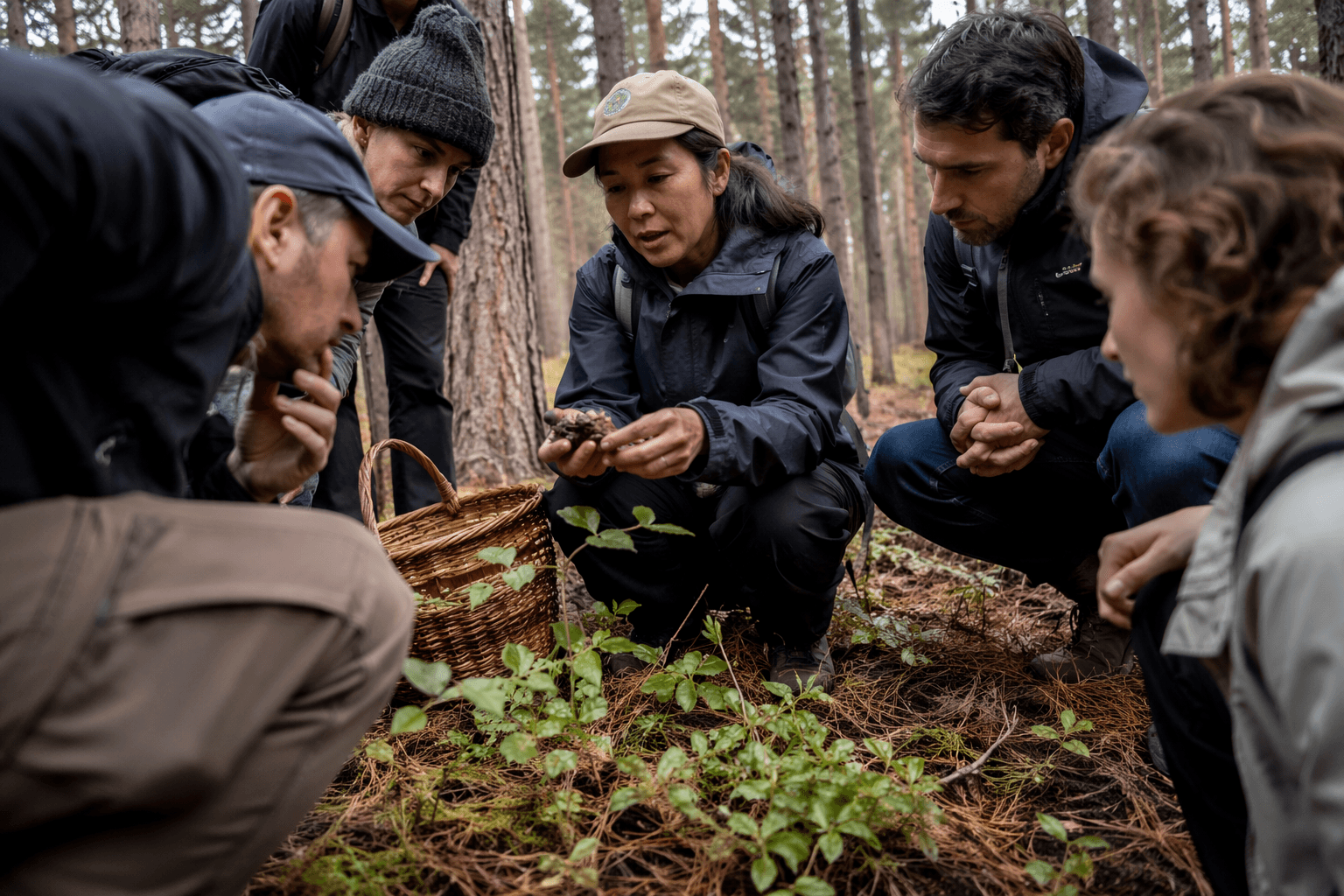
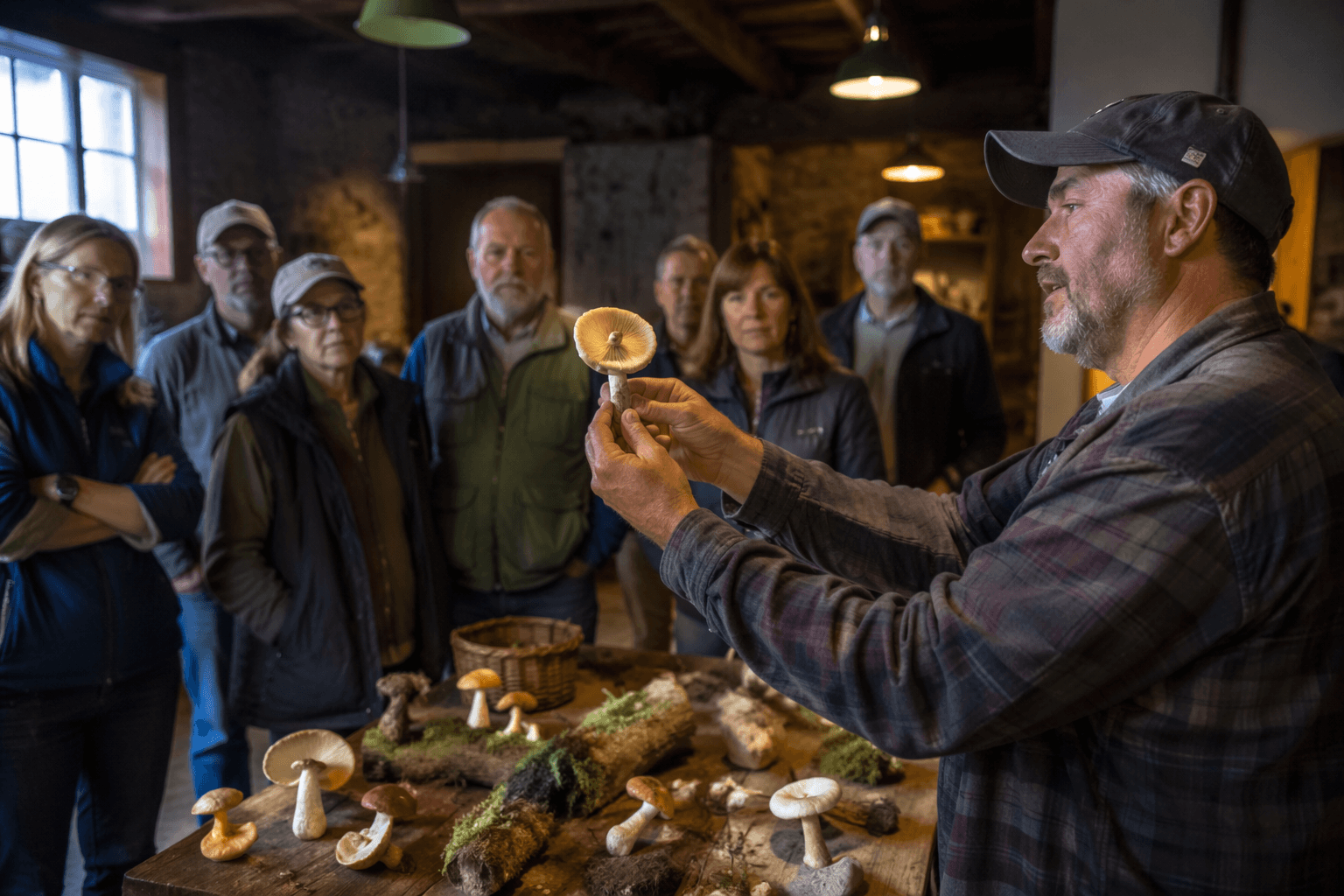
The New York Mycological Society’s June 28 pop-up in Prospect Park began earlier than usual, and that timing told the whole story before anyone knelt to inspect a stem. In a season when heat, rain, and fruiting windows can turn fast, the walk treated an ordinary Brooklyn park as a place where close observation matters more than wilderness mileage.
Prospect Park, read like a repeat site
Prospect Park is not the sort of place that gives up its fungi in one pass. NYMS notes that mycorrhizal mushrooms are not especially abundant there, yet the park has still produced a bolete list that grew from a single recorded species in 2017 to 10 species after repeated Bolete Patrol attention. That older record was Xerocomellus chrysenteron, collected in 2011, which shows how long a useful patch can sit in plain sight before a club has the right eyes on it.
The contrast with Wolfe’s Pond Park is telling. NYMS compares Prospect Park’s 10 bolete species with 36 at Wolfe’s Pond Park, and the gap points to more than just luck. Habitat differences matter, observer bias matters, and so does where a club chooses to spend its summer energy when bolete season opens up.
How Bolete Patrol changed the map
Gary Lincoff launched Bolete Patrol in 2017 to push NYMS beyond the assumption that Prospect Park was not much of a bolete site. The New York Botanical Garden Archives remember Lincoff as an enthusiastic NYMS member, scientific advisor, and trip leader, and the Mycological Society of America honored him with the Gordon and Tina Wasson Award in 2017. That lineage still sits behind the club’s fieldwork: the current walk is not just a casual ramble, but part of a long-running attempt to redraw the fungal map of New York City.
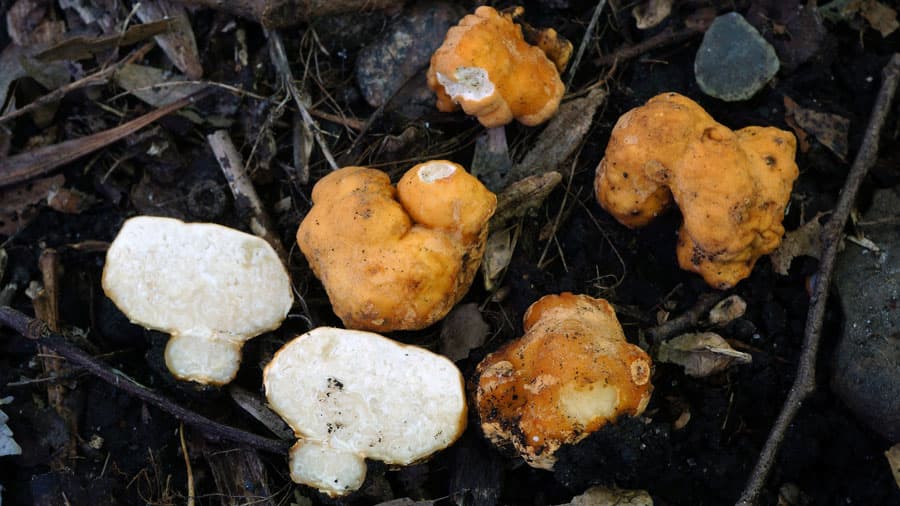
Repeated attention has already changed what the park is known to hold. NYMS says Bolete Patrol walks added nine bolete species in Prospect Park after 2017, and the same effort produced the park’s only recorded ascomycete truffle outside gourmet grocery stores. For urban mycology, that is the real payoff, because the city record changes only when someone comes back after rain, looks again, and notices what the first pass missed.
The city as a mycology lab
NYMS has focused on documenting New York City’s fungal diversity since 2009, and its field schedule shows how serious that effort is. The club visits 17 New York City parks and greenspaces year-round, runs about 40 walks a year, and uses each outing to track every fungal species encountered. Its public iNaturalist project says the society has recorded over 1,700 species in the city, which turns a single park walk into one small chapter in a much larger inventory.
That broader frame matters when you think about what “real” foraging looks like. In Prospect Park, the work is as much about documentation as collecting, and the club’s setup reflects that: members are told to bring paper bags, a hand lens, a knife, a tackle box if they want one, plus water and lunch. iNaturalist is the suggested tool for documentation, and expert identifiers help process specimens, which is exactly how a city walk becomes both a social outing and a citizen-science survey.
- Paper bags keep finds separated and easy to sort.
- A hand lens helps with the small characters that make or break an ID.
- A knife is there for careful collection, not indiscriminate harvesting.
- Water and lunch matter because these walks stretch long enough to reward patience.
- iNaturalist gives the day a public record, not just a basket of interesting caps.
What Prospect Park records show
The park’s archive shows why repeat visits beat one-and-done enthusiasm. On June 23, 2019, after a full week of rain and on a pleasant sunny day, a Prospect Park walk recorded more than 70 species and at least three species new for New York City. On December 7, 2019, another Prospect Park walk had about 90 species so far and several species new to the park. Those numbers do not prove every visit will be rich, but they do show that the park can produce serious lists across seasons and conditions when people keep returning.
The broader scientific literature backs up that city-scale abundance. A 2023 Rhodora paper on Boletales, hosted through BioOne, found 89 species in 12 families across New York City over 123 years. That kind of span is a reminder that urban greenspaces are not fungal deserts; they are long-term records that only look thin when no one has been keeping score.
How to forage the urban way
The June 28 Prospect Park walk also shows the practical realities of city mushrooming, where weather, access, and safety all shape the day. NYMS says its 2026 walk dates and locations can change with weather conditions, and its pop-up Bolete Patrol walks are announced only a couple of days in advance. That flexibility is part of the method, because the best urban flushes are often tied to recent rain and short-lived windows.
The club also flags the common city hazards directly: ticks, mosquitoes, poison ivy, and the chance that bad weather can cancel the outing. For anyone who forages in parks, that is the ethical baseline too, because respect for the site starts with moving carefully, documenting what you find, and knowing when to leave a specimen in place rather than treating a public green space like a private pantry.
The lesson of the early start
The early start on June 28 was not a scheduling quirk. It was a signal that the season had shifted, and that Prospect Park, with its 10 bolete species, its one-time Xerocomellus chrysenteron record, and its nine species added by patient return visits, rewards people who treat the same ground as new ground. That is the urban mushrooming lesson in its cleanest form: the park does not need to be remote to be real, it only needs to be watched closely enough, often enough, and at the right hour.
This article was produced by Prism’s automated news system from verified source data, official records, and press releases, then run through automated quality and moderation checks before publishing. The system is built and supervised by the people who set the standards it runs under. Read our full AI policy.
Did this article answer your question?