ShroomID helps mushroom hunters identify fungi with offline tools
ShroomID can help narrow fungi in the field, but it works best as a comparison tool, not a verdict on edibility.

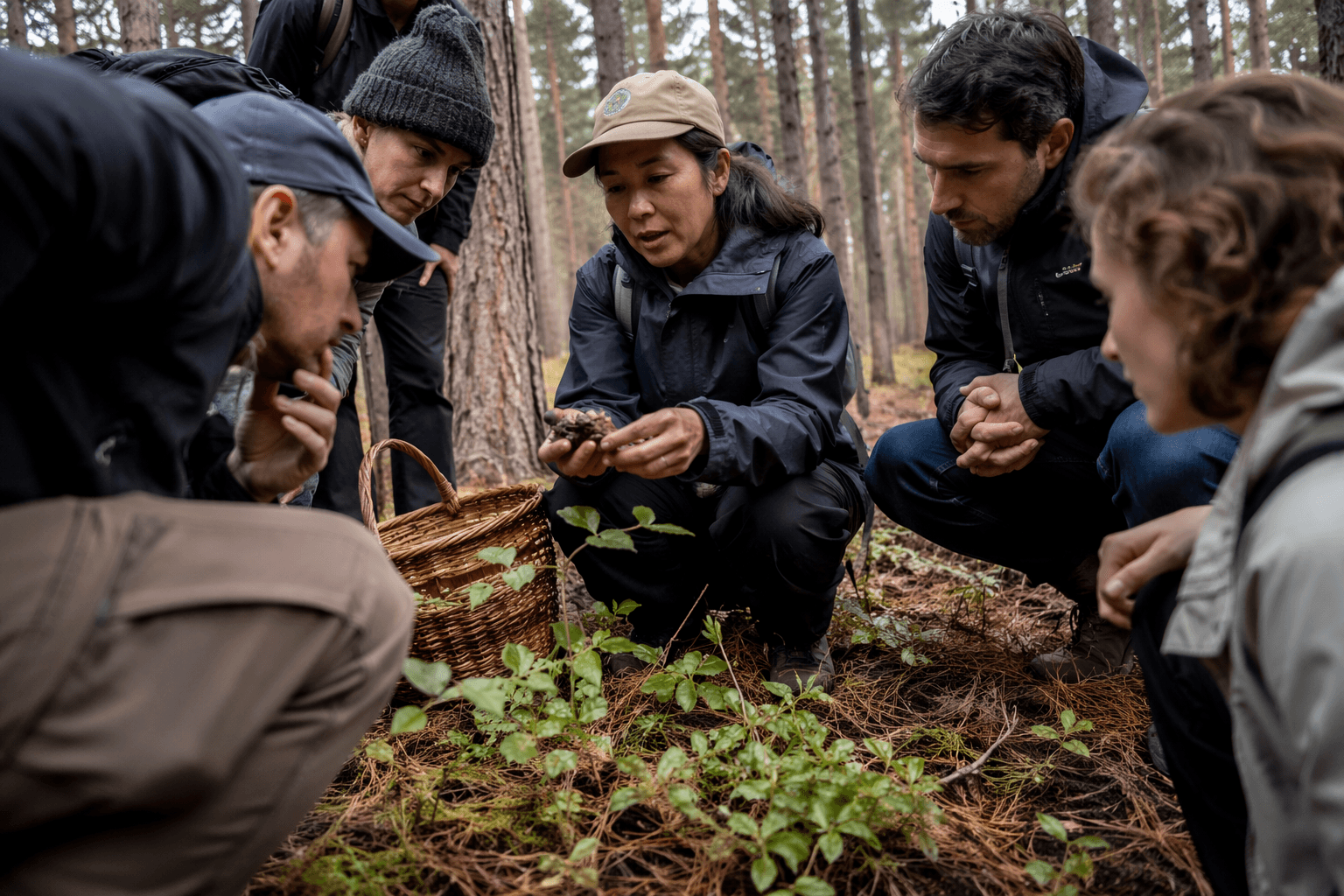
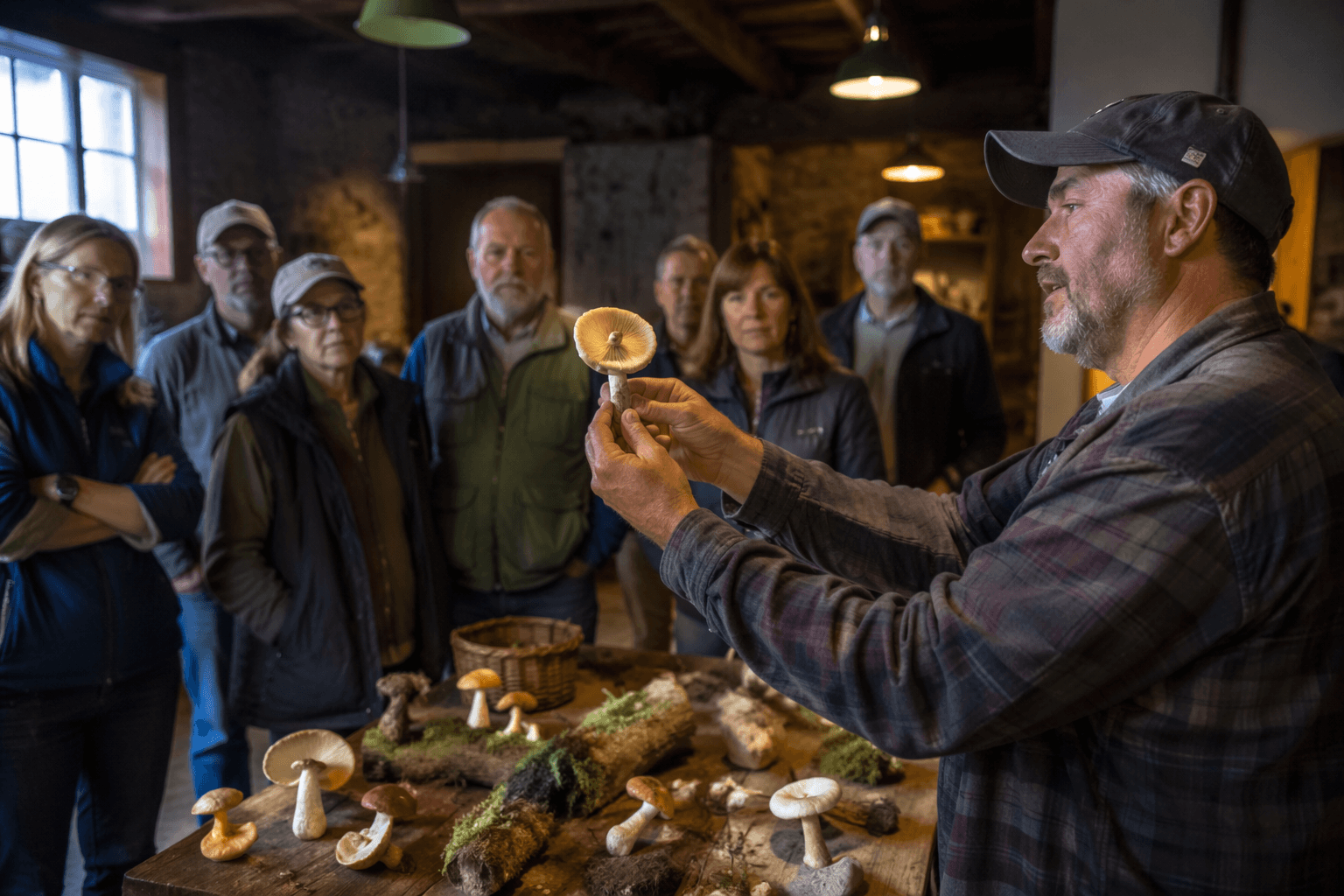
ShroomID lets you add up to four angles of the same mushroom before it returns a result. In the woods, a general image search can point you in the right direction but cannot replace the habits that keep mushroom hunting safe: checking habitat, comparing multiple angles, looking at bruising, and ruling out dangerous lookalikes before you touch the pan.
A mushroom app, not a generic visual search tool
ShroomID differs from broader AI tools in a basic way. Google Lens is designed as a general visual-search feature for learning more about an image or the objects around you, and Gemini’s image understanding is a general multimodal capability, not a mushroom-specific field guide. That makes both useful as broad helpers, but neither is tuned to the tiny details that matter when a cap, gill pattern, or stem bruise can change the answer completely.
On the App Store, ShroomID is listed as a mushroom-hunting companion with AI predictions, human and community predictions, species data, and a community identification feature. On Google Play, users can upload mushroom photos and get help from other members of the community. The app combines machine suggestions with human input.
How the identification flow works
The app’s workflow is simple enough to use on a trail. You can take a live photo or import one from your gallery before getting a result. ShroomID labels its output with Photo Scores, a percentage-style prediction that helps you see how confident the app thinks it is.
That confidence score should be treated as a starting point, not a green light. When you tap into a result, ShroomID opens a breakdown page with a clean gallery of similar genera and related species. For new foragers, that side-by-side comparison is where the app does real work, because it nudges you to look for differences instead of stopping at the first close match.
A photo of a local Calvatia genus was enough for an identification when the mushroom was distinctive and the user still did the visual legwork.
Why offline mode matters in the woods
ShroomID’s offline option is one of the clearest reasons a forager might prefer it over a general-purpose image tool. Weak cell service is a constant nuisance on forest edges, mountain trails, and remote clearings, and a mushroom app that stops working when the signal drops is not much help in actual foraging conditions.
The catch is that offline mode sits behind a paywall. The free tier is enough to get started before you decide whether the offline tools are worth paying for.
Community input is a real feature, not a slogan
ShroomID’s community identification feature is one of the app’s strongest ideas. Users can upload photos for help from other members, and that adds a layer of collective knowledge that a pure image model does not have. For mushrooms, where season, region, and local variation can matter as much as shape, crowd-sourced comparison can catch details an algorithm misses.
The app’s design also encourages the database to improve over time as users help label fungi. Community input can sharpen an ID; it cannot replace your own checks on bruise reaction, cap texture, substrate, and habitat.

The safety workflow still comes first
A 2026 peer-reviewed study in Communications Biology found that AI-based mushroom identification tools failed in nearly 15% of cases when tested on more than 100 real-world photos spanning nearly 60 species. That failure rate is exactly why app results should never be treated as a final answer on eating decisions.
The safer workflow is straightforward: 1. Use ShroomID or another app to narrow the possibilities. 2. Compare the result with multiple photos and related species, not just the top match. 3. Check the habitat, season, substrate, bruising, and other field traits yourself. 4. If there is any doubt, do not eat it.
If poisoning is even a possibility, Poison Control says to call 1-800-222-1222 in the United States. The line is free, confidential, and available 24 hours a day, 7 days a week. The North American Mycological Association also advises people who suspect mushroom poisoning to contact a physician or poison control center and then seek expert identification of the suspect mushrooms.
A field companion, with limits
Its Google Play listing shows more than 500K downloads and a 3.9-star rating from 1.83K reviews.
This article was produced by Prism’s automated news system from verified source data, official records, and press releases, then run through automated quality and moderation checks before publishing. The system is built and supervised by the people who set the standards it runs under. Read our full AI policy.
Did this article answer your question?