Sustainable mushroom foraging boosts women’s livelihoods in Kakamega Forest
At Kakamega Forest, matere foraging was framed as more than a harvest: protecting indigenous trees could keep future flushes, food security and women’s income alive.
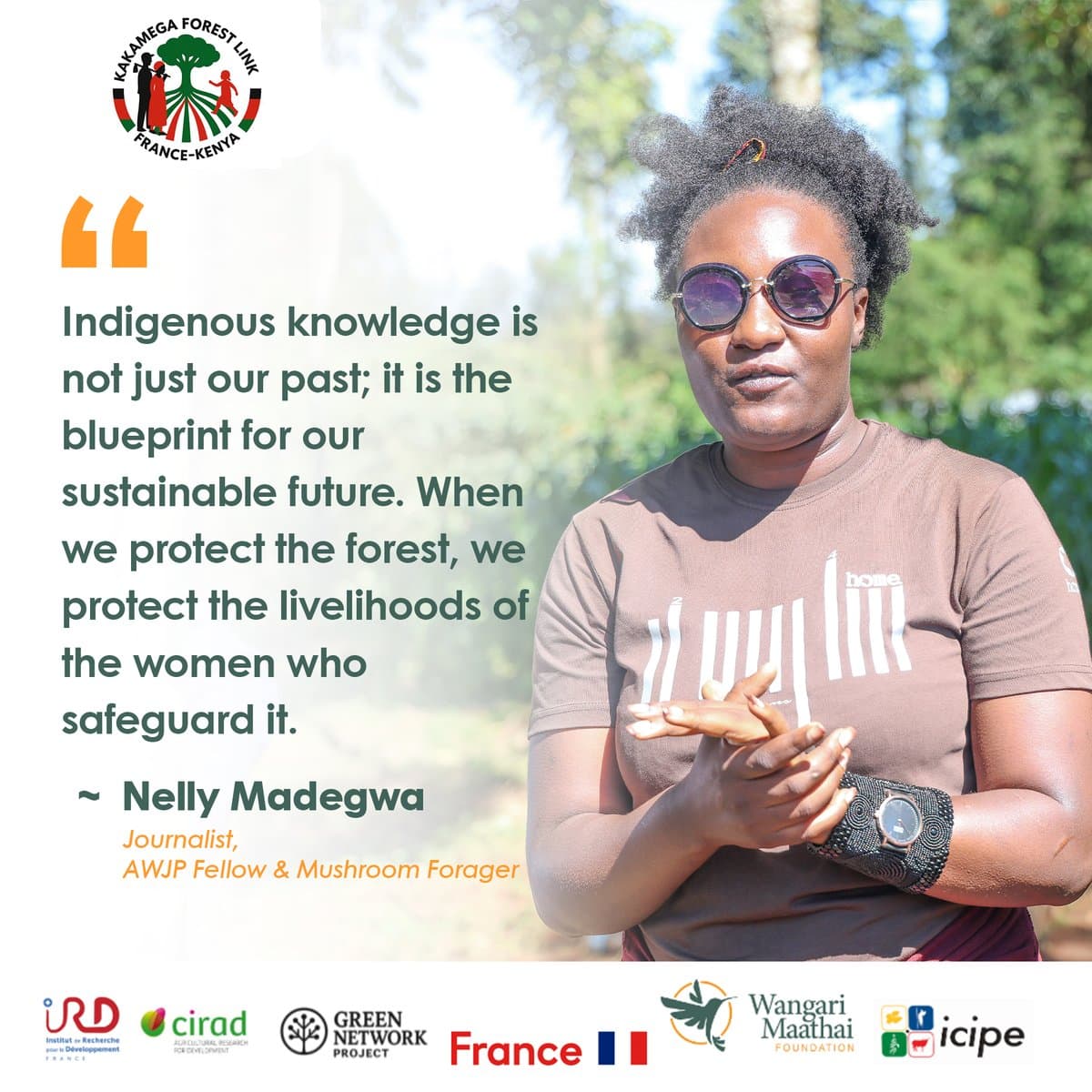
Nelly Madegwa turned a mushroom conversation into a forest lesson, showing how the hunt for matere in Kakamega Forest depends on keeping the habitat intact. At a partner exchange event, she linked indigenous foraging practices to the women who rely on the harvest for food and income, and to the future fruiting cycles that hobby foragers depend on too.
Kakamega matters because it is Kenya’s last tropical rainforest, and it has been under pressure for decades from deforestation, land degradation and climate change. The forest originally covered about 230 square kilometers, but cover had fallen to 11,848 hectares by 2004 from 24,798 hectares in 1933. That loss is not just an ecological headline. Kakamega still provides water, food and medicine to more than 100,000 farming families living around its edges, which makes every careful harvest and every damaged patch part of the same survival story.
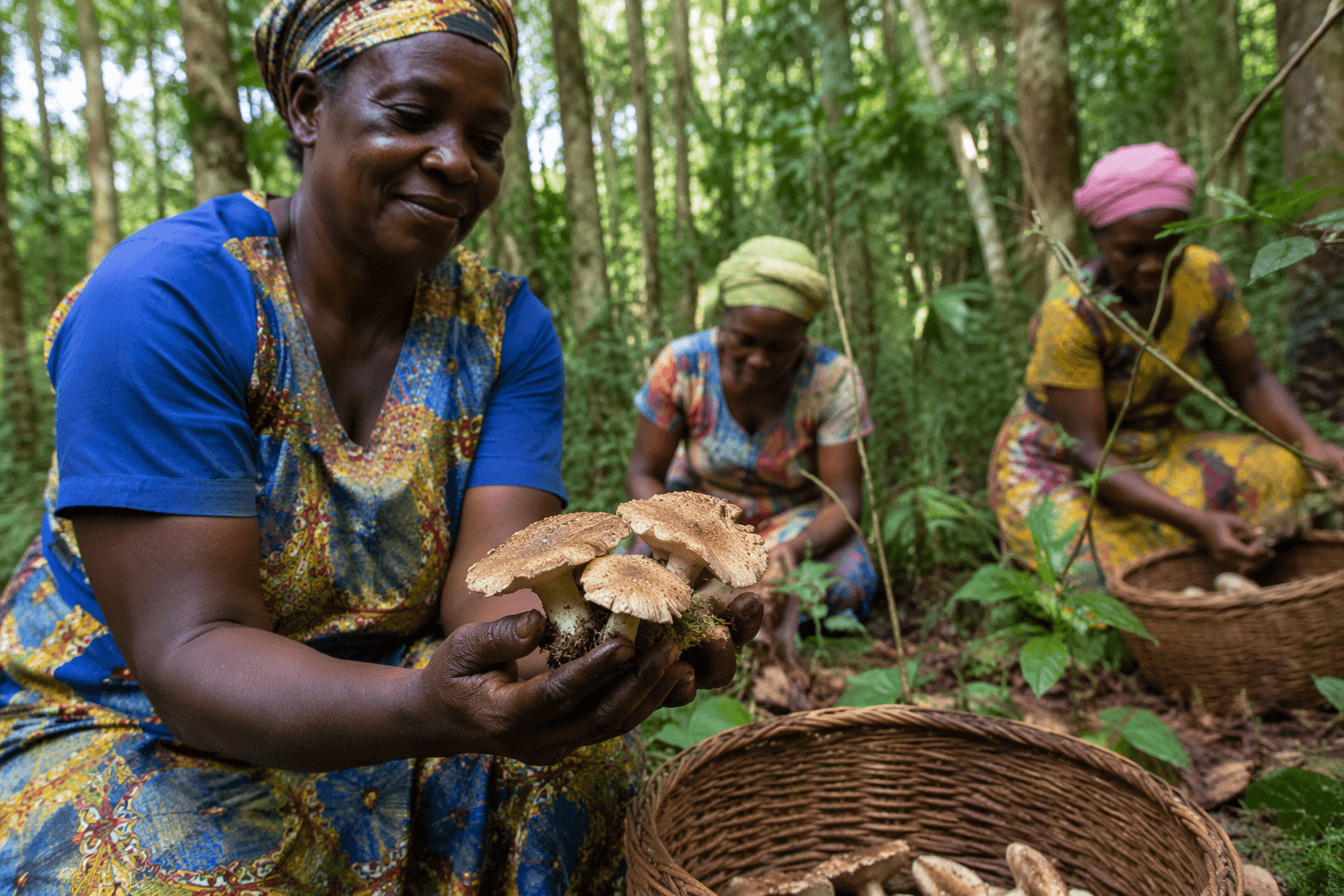
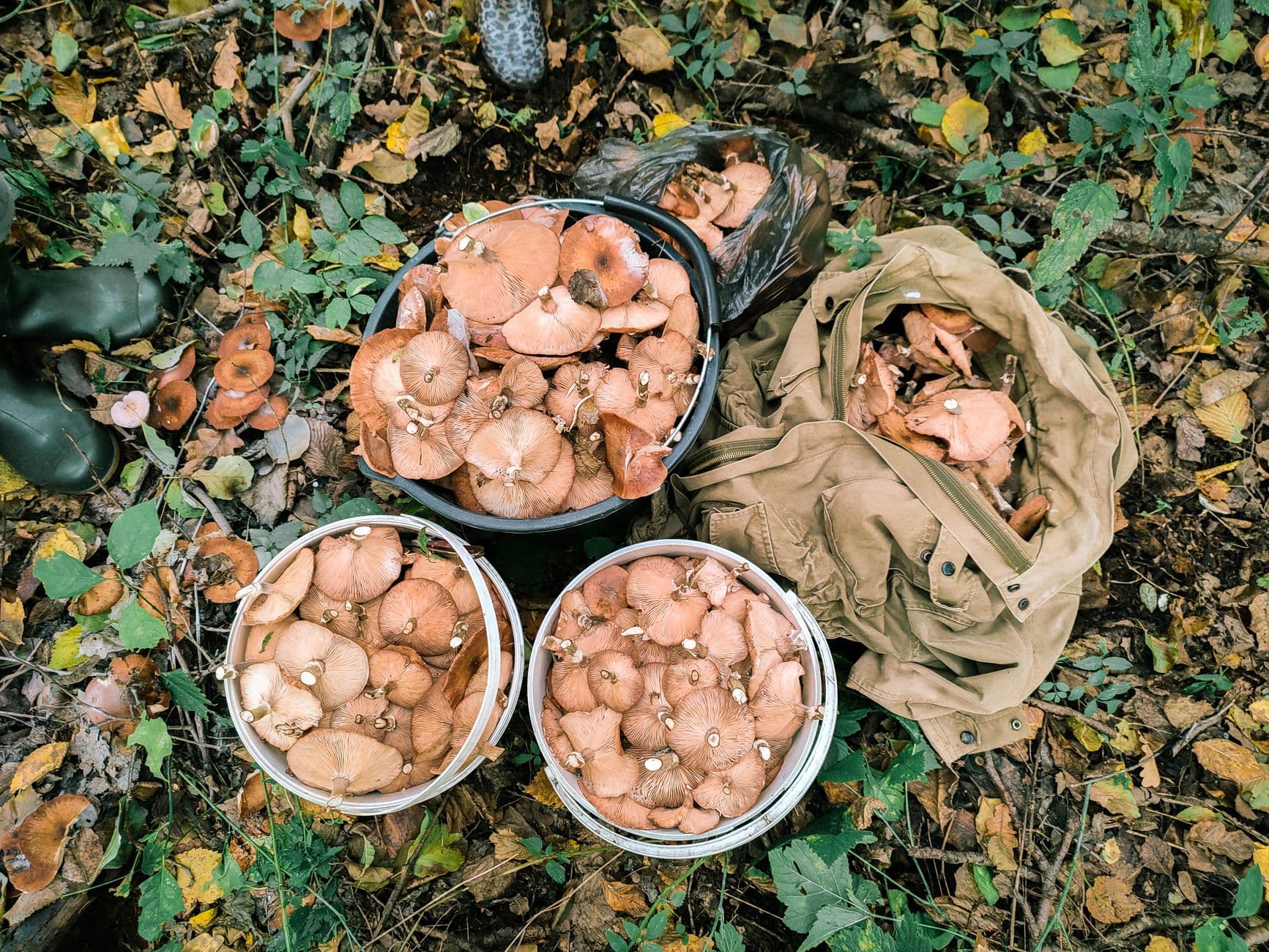
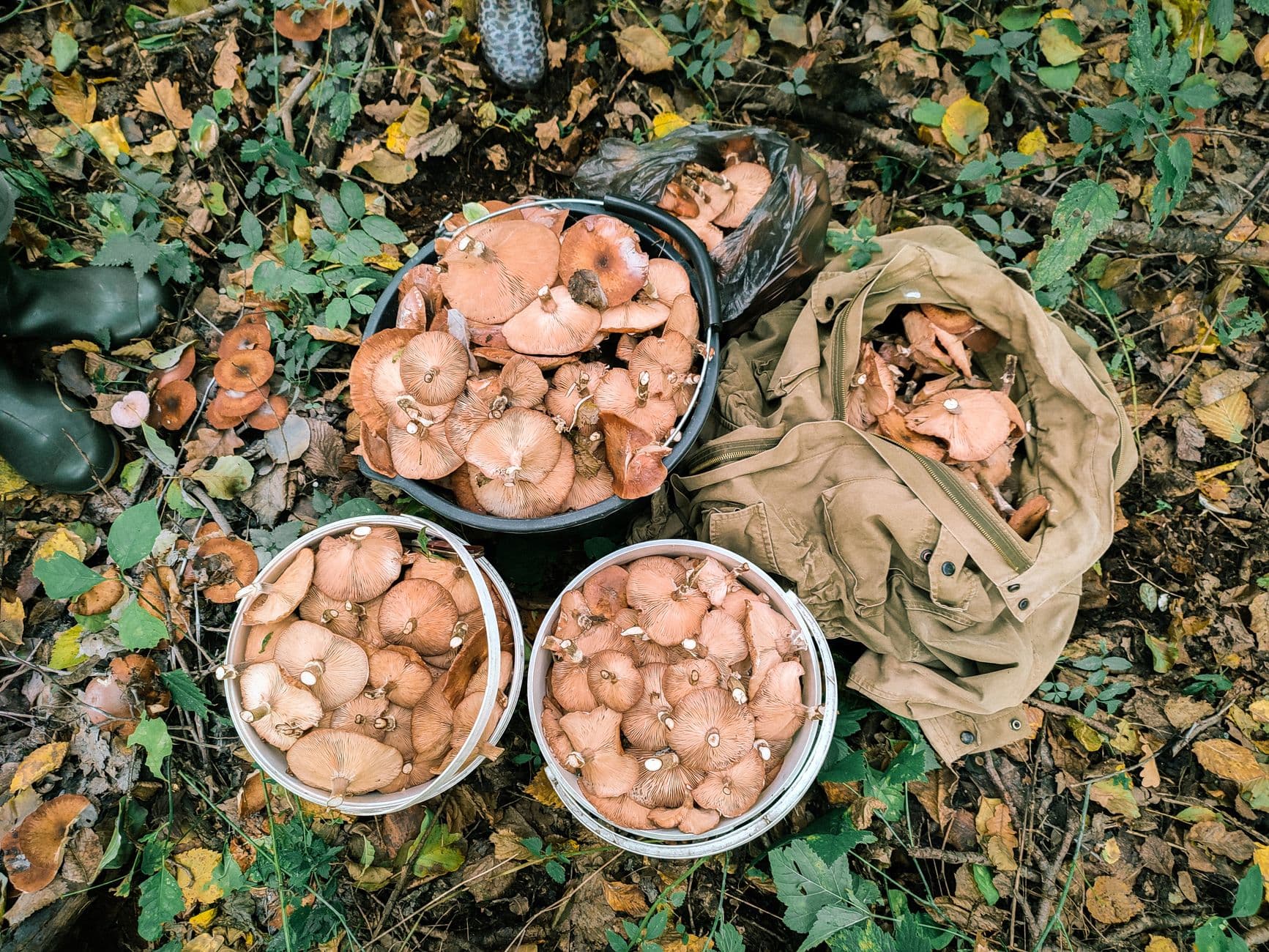
For mushroom foragers, matere is the clearest example of that link. The wood ear mushroom is a valued delicacy in Kakamega, growing on indigenous trees and connecting forest conservation directly to household food culture and income. When women harvest and protect the trees that support it, they are not only filling cooking pots. They are guarding the next flush, keeping a small forest economy alive, and building the kind of stewardship that lasts beyond one season.
That work is already visible on the ground. Women in Water and Natural Resources Conservation has planted indigenous trees on 250 hectares in Iloro, Kakamega, and another 100 hectares in Kibiri, Vihiga. The Kenya Women and Forests project is also advancing restoration in western Kenya through women’s leadership in community forest management, while Kakamega County and SNV signed a partnership agreement in May 2026 to support inclusive, sustainable community-driven development. In Kakamega, conservation is not separate from livelihoods. It is the condition that makes them possible.
Madegwa, who is based in Kenya, studied biology at the University of Nairobi and is both a 2024 Persephone Miel Fellow with the Pulitzer Center and an African Women Journalism Project Fellow. Her reporting on Kakamega carried the same message the forest itself delivers: if the trees go, the mushrooms go with them, and so does the income, the food security and the future harvest.
This article was produced by Prism’s automated news system from verified source data, official records, and press releases, then run through automated quality and moderation checks before publishing. The system is built and supervised by the people who set the standards it runs under. Read our full AI policy.
Did this article answer your question?