Texas mushroom walk blends field lessons with citizen science
A June 21 walk in Warren turned Southeast Texas mushrooming into a lesson in heat, habitat, and documentation, with iNaturalist as essential gear.

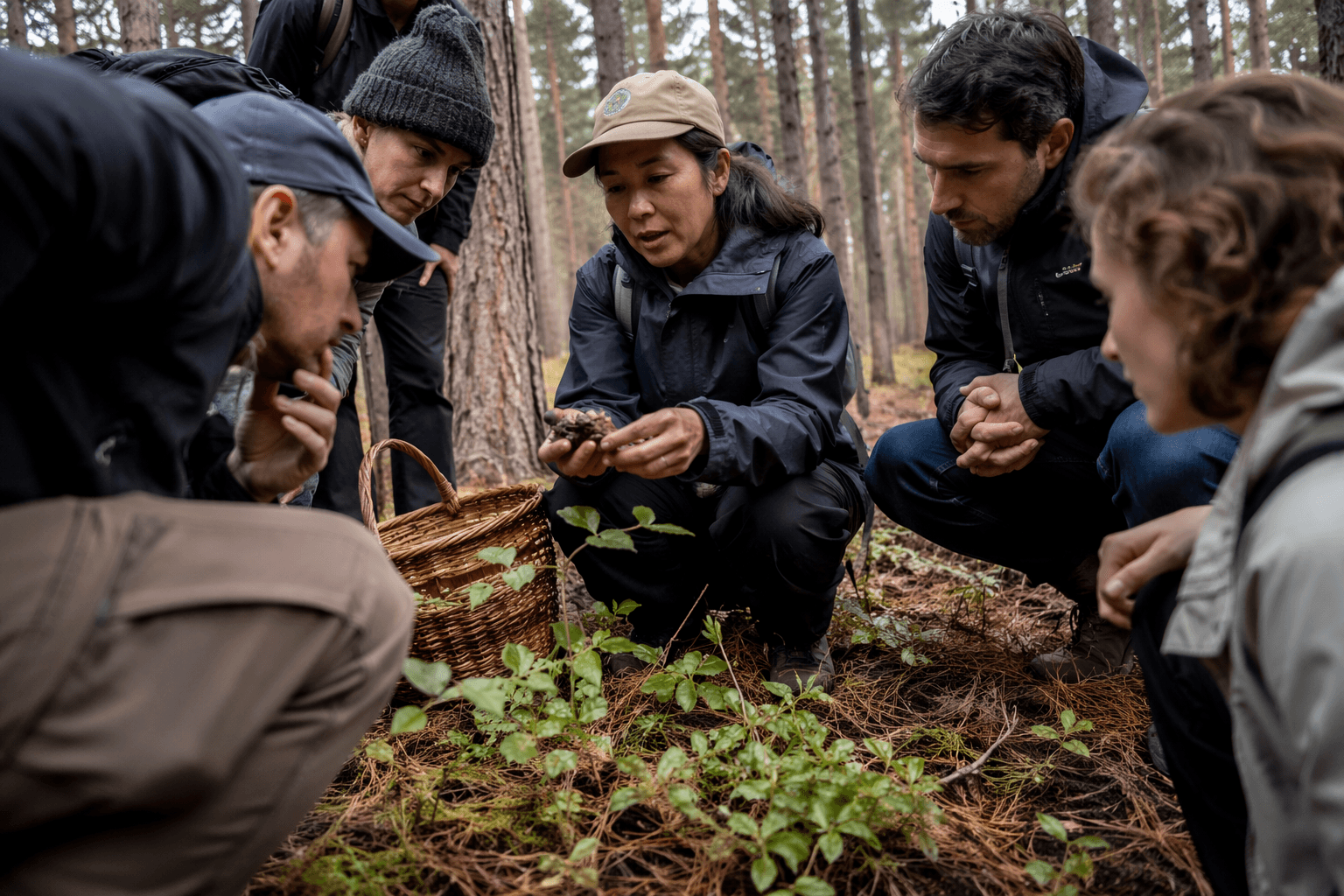
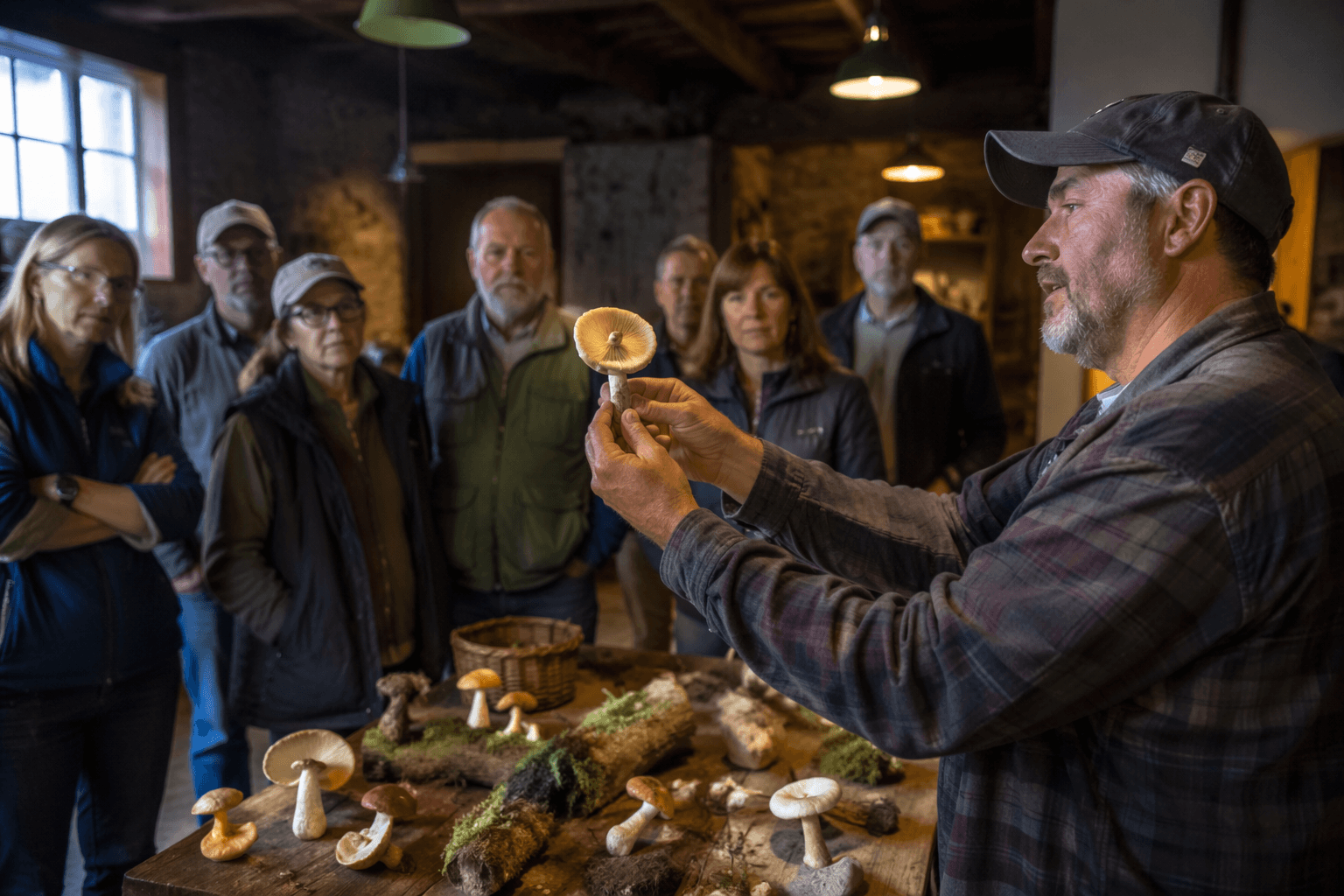
The June 21 mushroom walk at Watson Rare Native Plant Preserve put Southeast Texas foraging in its proper setting: hot, humid, insect-rich, and shaped by plant communities that do not behave like the temperate hardwood forests most online guides assume. Led by David Lewis and framed as a guided foray in fungal taxonomy and ecology, the outing treated every find as a specimen to study, record, and place in habitat.
A Gulf Coast lesson, not a casual hunt
The Gulf South Mycological Society is a nonprofit scientific and educational organization devoted to the study and appreciation of fungal flora across the Gulf Coast region, and it has been exploring fungi in the Gulf South since 1979. On a summer mushroom outing in Southeast Texas, the goal is not to fill a basket, but to learn the characters that separate one mushroom from another and to see how fungi fit into the landscape.
In a region where beginners can get misled by surface similarities, Gulf Coast summer fruiting often pushes people toward quick field judgments, but the society’s approach rewards patience: look at the cap, gills or pores, stem structure, bruising, substrate, and nearby plants before deciding what you have. The iNaturalist project tied to the society credits society activities with helping result in the naming of many species previously unknown to science.
Why Watson Rare Native Plant Preserve works for summer IDs
Watson Rare Native Plant Preserve in Warren, Texas, gave the walk a dependable laboratory in the field. The preserve is a 501(c)(3) nonprofit about 45 miles north of Beaumont, and it was created in the 1980s by the late Geraldine Watson. A preserve listing records five plant associations, two creeks, about 700 mushroom species collected over 25 years, and about 250 plant species on the property.
Five plant associations mean multiple fungal communities in one place, while the creeks and dense vegetation keep humidity high enough to support summer fruiting. For beginners, that variety also changes the misidentification problem: the same color and shape can mean different things depending on whether a mushroom is growing in leaf litter, near hardwoods, beside wetter ground, or in one of the preserve’s distinct plant zones.
The preserve’s plant diversity also pulls mushrooming away from the generic “walk the woods and look for edibles” advice that dominates temperate-forest forums, because habitat is the first clue and identifying the plant community narrows the field of possibilities.
David Lewis brought the field experience
Lewis was the lead mycologist for the walk. He is a retired chemist and mycologist with degrees from Lamar University in Beaumont. He is also a Research Associate at the Field Museum of Natural History and honorary staff associated with the Texas A&M University Tracy Herbarium.
The collection record attached to his name is unusually deep. Bios list 5,000 of his fungal collections deposited at the Field Museum and 5,500 at Texas A&M. They also list him as fungal TWIG coordinator for the Big Thicket National Preserve All Taxa Biodiversity Inventory from 2006 to 2018. A separate event listing identifies him as the author of Mushrooms of the Gulf Coast States and credits him with discovering many new species of mushrooms in Deep East Texas.
What to carry into a Southeast Texas foray
Participants were told to bring lightweight long sleeves and pants, sturdy boots or shoes, a basket or tackle box for specimens, bug repellent, a camera or smartphone with iNaturalist installed, water, and a pocket knife.
Long sleeves and pants help with brush, ticks, and scratches. Sturdy footwear matters in wet ground and uneven preserve trails. Water is not optional in Gulf Coast heat, and bug repellent becomes part of the identification workflow because an uncomfortable forager is less likely to make careful observations.
A basket or tackle box keeps specimens separated and intact instead of cramming them into a bag. The pocket knife supports careful harvesting or cleanup for study, while the camera and iNaturalist turn each find into a documented observation rather than a mystery mushroom carried home in hope.
How to think like a Gulf Coast mushroomer
Southeast Texas mushrooming is often an ecology-first practice. Summer heat and humidity can drive fast decay, so a mushroom that looks fresh in the morning may be altered by afternoon. That makes timing, documentation, and habitat notes especially important, and a guided walk at a preserve with documented fungal diversity is more useful than a random roadside stop.
The region also rewards restraint. When a preserve already has hundreds of recorded species and a history of new discoveries, the smartest move is to slow down and learn the characters that matter: substrate, nearby plants, fruiting pattern, and whether the specimen fits the conditions of the site. A guided foray like this one teaches that the safest first step is often not identification for the table, but identification for the record.
This article was produced by Prism’s automated news system from verified source data, official records, and press releases, then run through automated quality and moderation checks before publishing. The system is built and supervised by the people who set the standards it runs under. Read our full AI policy.
Did this article answer your question?