Toronto Pride bioblitz invites young QT2S+ BIPOCs to study fungi
A High Park Pride bioblitz blended mushroom ID, community science, and climate resilience for QT2S+ BIPOCs ages 18 to 30.
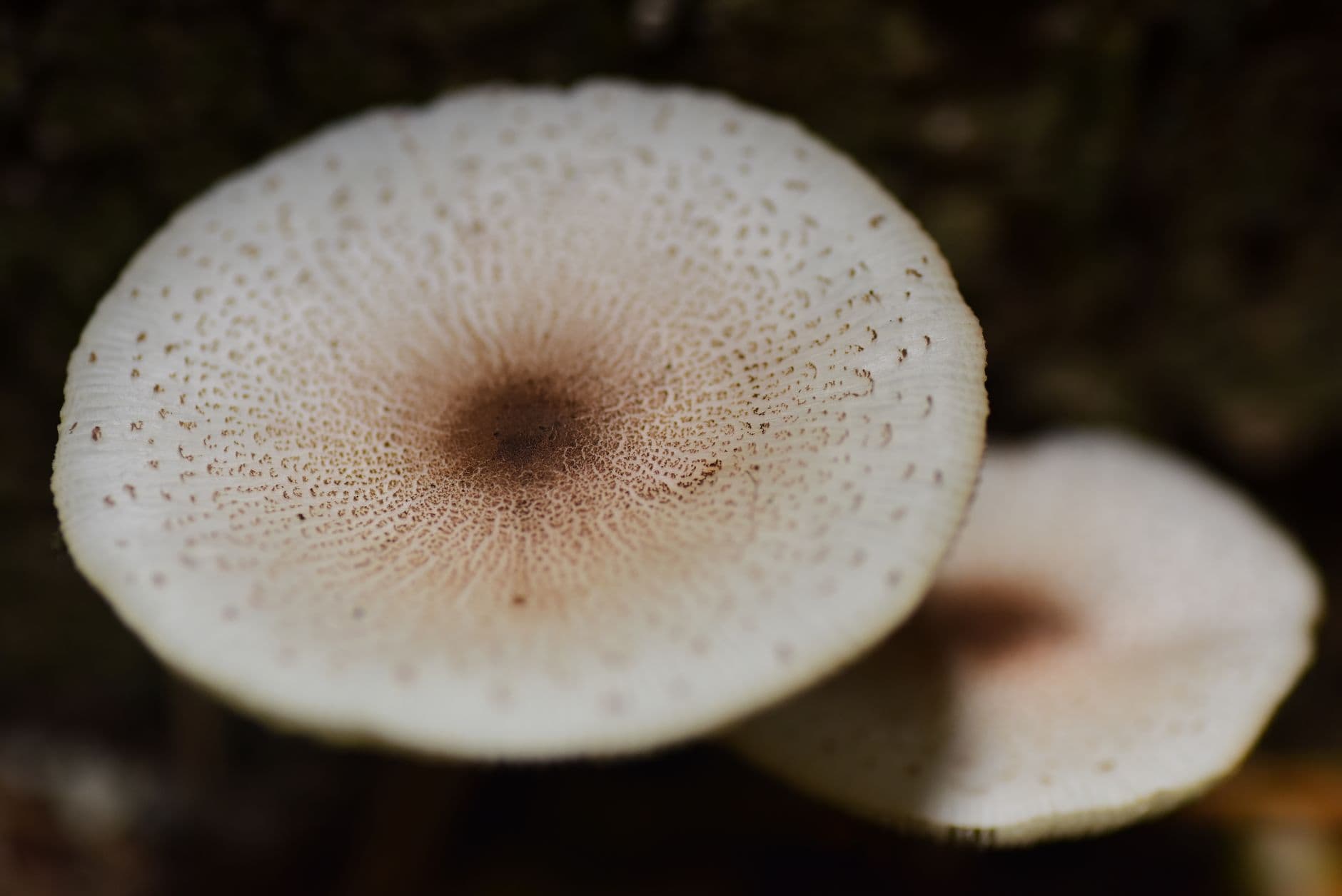
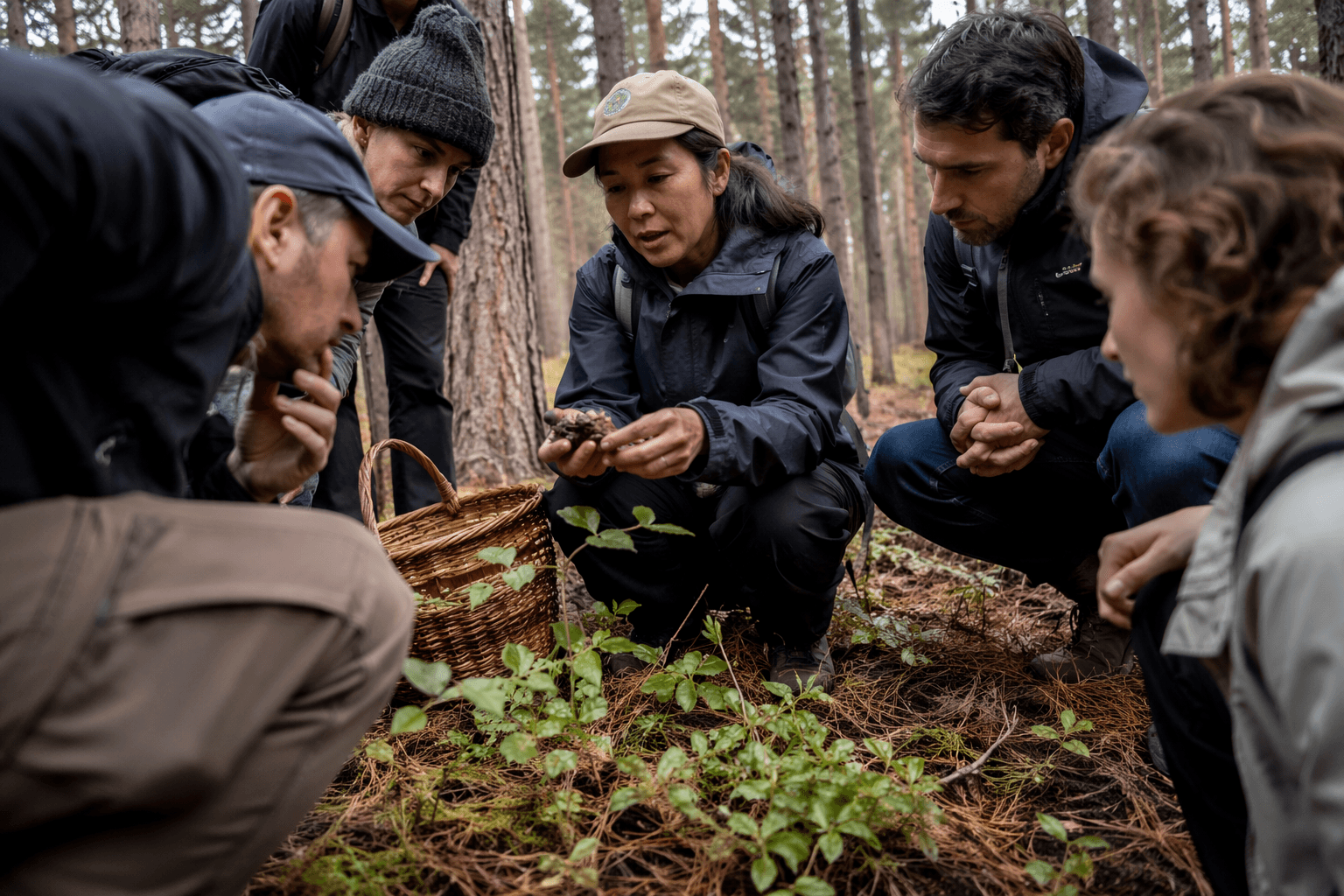
High Park’s mushrooms became the entry point to something bigger: a Pride bioblitz that invited QT2S+ BIPOCs ages 18 to 30 to learn fungi ID, map urban biodiversity, and build a clearer picture of local ecological change. Held at HPNC Cottage in Toronto from 10:00 a.m. to 2:30 p.m., the day was built around community science rather than a simple walk in the woods.
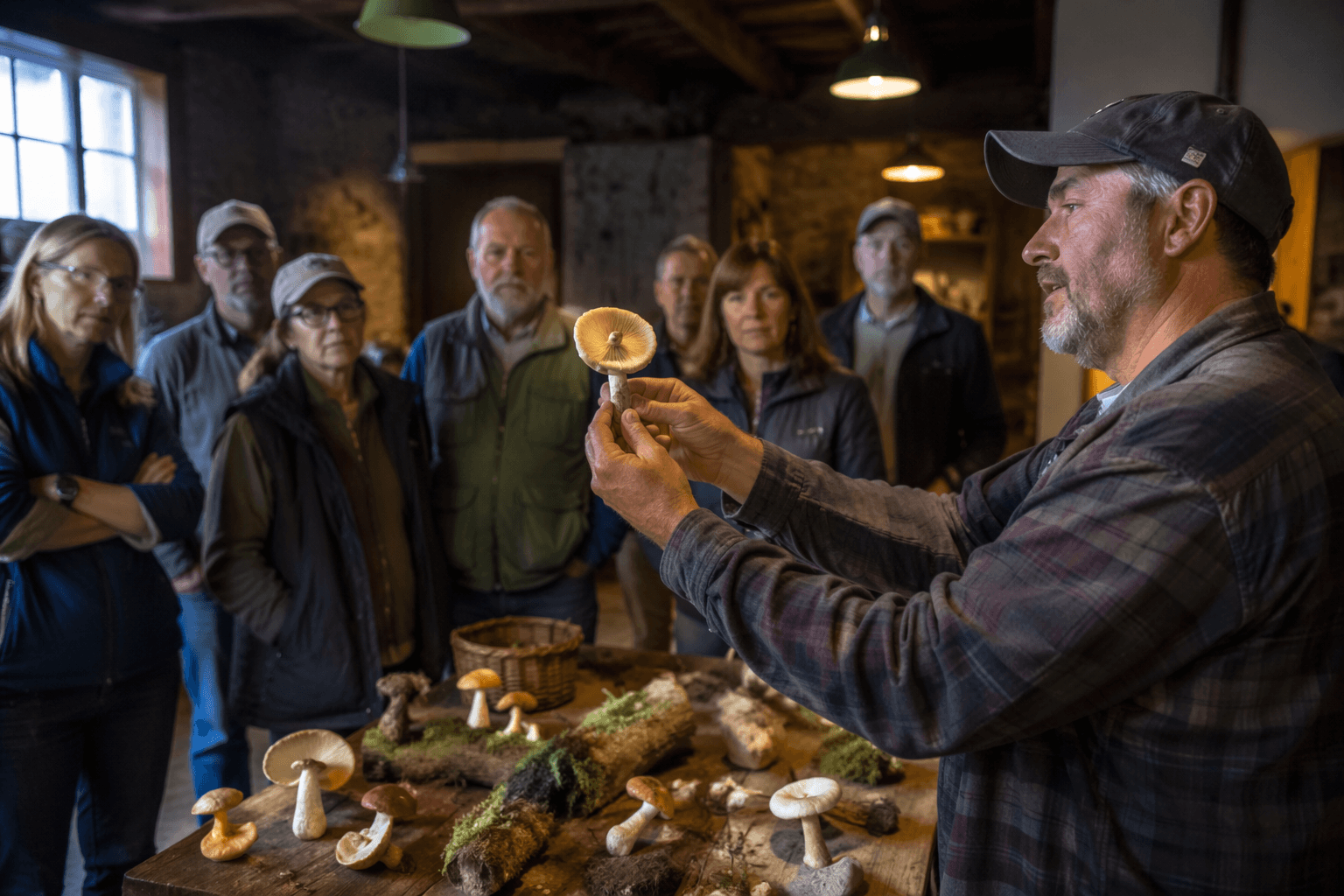
The program started indoors with an overview of mushroom anatomy, common misconceptions, and key identification tips before moving outdoors for a guided, unhurried 3-kilometre walk focused on fungi, flora, and safe handling procedures for biological sample collection. Participants also shared lunch while discussing climate resilience, with trail snacks, refreshments, TTC fare reimbursement, hand lenses, waterproof notebooks, stationery, insect repellent, and DNA testing for up to three fungal samples per person included in the setup.

The observation workflow was as important as the foray itself. Organizers encouraged participants to upload finds to iNaturalist’s LGBTQ+ Naturalists project, which says it is for members of the LGBTQ+ community to share observations and connect with others. The project journal says the network now includes more than 4,200 members and 1.8 million observations, giving each field note a place in a much larger record of biodiversity. The day also included an opening ceremony and a land acknowledgement, underscoring that the bioblitz was designed as a welcoming entry point for young QT2S+ BIPOCs who may not always see themselves reflected in traditional outdoor spaces.
That approach fit neatly with the larger stewardship work already underway in High Park. High Park Nature Centre says its High Park Nature Centre Project collects observations of plants, mammals, insects, fungi, and other wild living things in the park to build an updated inventory for education and research within High Park’s 399 acres. The Greenbelt Indigenous Botanical Survey describes High Park as a 161-hectare urban park west of downtown Toronto, managed by the City of Toronto and designated an Area of Natural and Scientific Interest in 1989. For local mycologists, the value is clear: the Mycological Society of Toronto describes itself as a volunteer-managed association that promotes appreciation of fungi and organizes educational walks and forays in Southern Ontario. In High Park, that spirit met a younger, more inclusive audience, with mushroom ID serving as both a field skill and a doorway into civic science.
This article was produced by Prism’s automated news system from verified source data, official records, and press releases, then run through automated quality and moderation checks before publishing. The system is built and supervised by the people who set the standards it runs under. Read our full AI policy.
Did this article answer your question?