Tysons lecture explores mushrooms in food, sustainability, and daily life
A Tysons lecture put mushrooms in the wider frame: not just wild edibles, but food, restoration, and practical science that foragers can use.
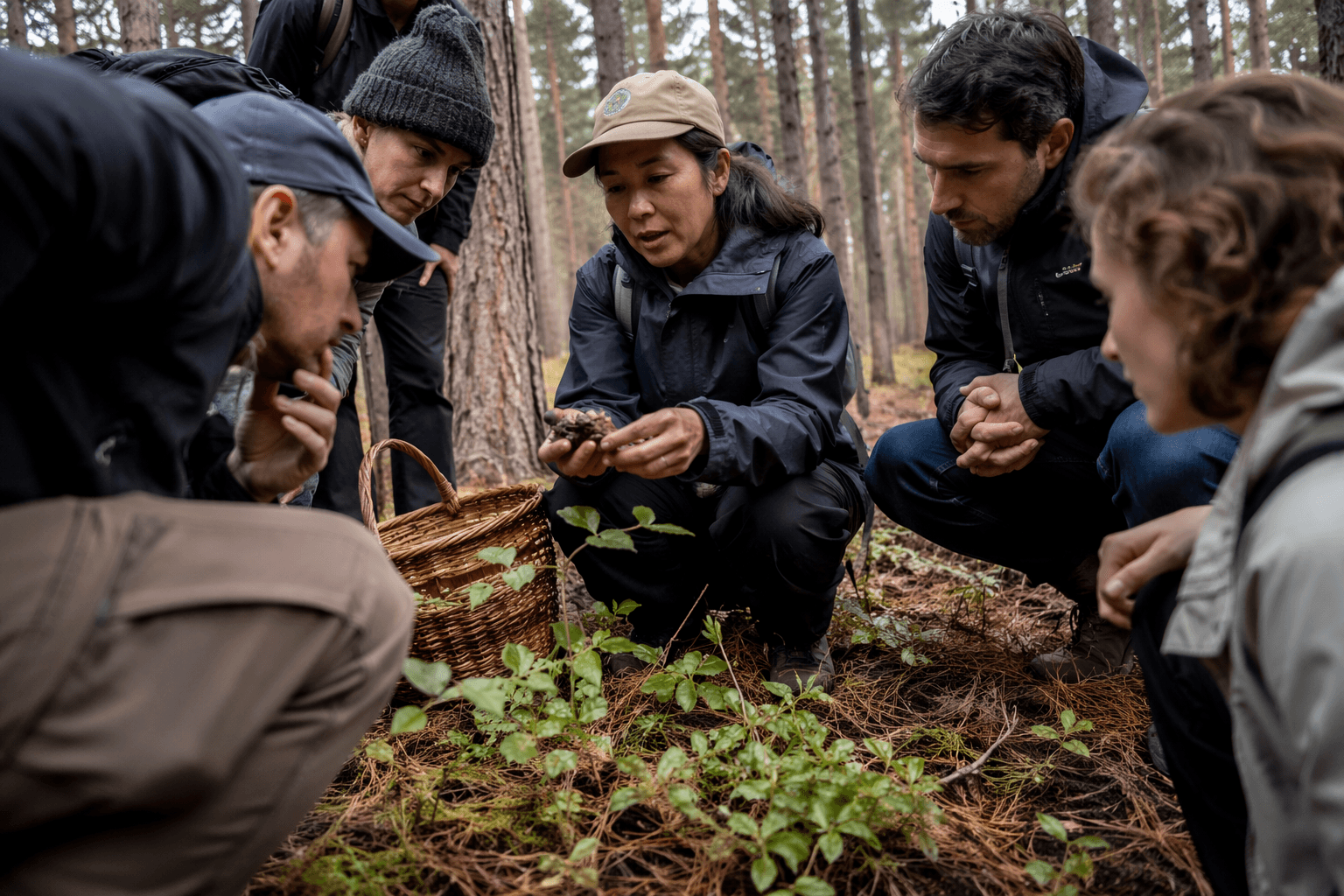
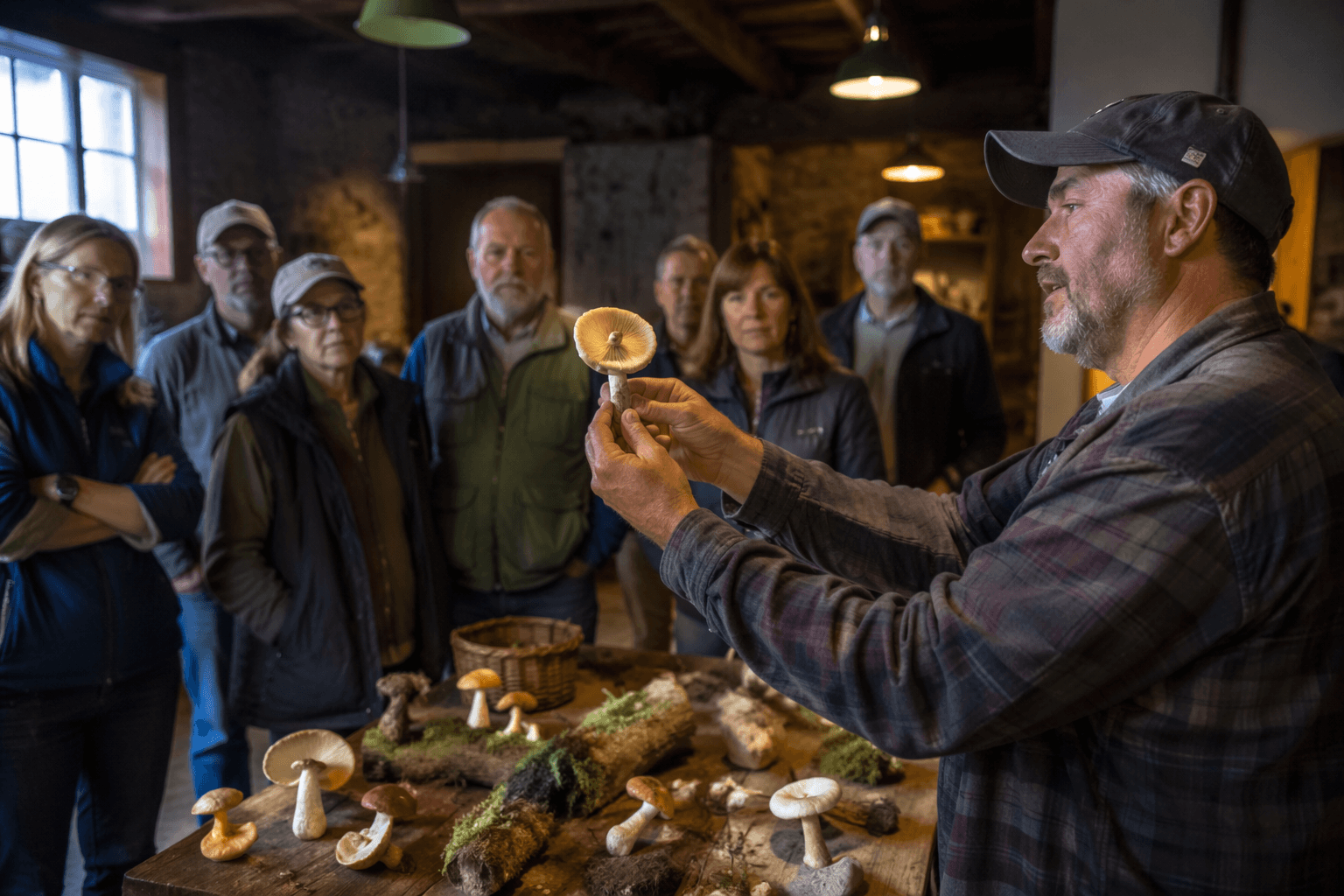
The clearest thing this Tysons lecture gets right is that mushrooms are bigger than the basket. At Arbor Row Center on Friday, June 12, Natalie Howe led “Mushrooms in Everyday Life: Food, Sustainability, & Emerging Uses,” a 1:30 p.m. to 3:30 p.m. in-person session that pushed fungi into the center of food, ecology, and daily living. For anyone who forages, the value is obvious: the story of mushrooms does not stop at identification, it continues into the kitchen, the compost pile, the lab, and the landscape.
Why this talk matters to foragers
Foragers tend to think first about habitat, season, and species, but this lecture widened the lens in a useful way. Howe’s program was described as covering fungi in bread, cheese, fermentation, environmental restoration, water quality, plant health, and emerging uses, which places mushrooms inside the systems that shape how people eat and how ecosystems function. That is not trend-chasing fluff, it is the real-world side of mycology that many casual wild-mushroom fans miss.
The strongest takeaway is that mushroom knowledge is increasingly moving in two directions at once. One direction leads into the woods, where identification, edibility, and toxicity still matter most. The other leads into applied science, where fungi are treated as food, material, and environmental tool. If you spend time hunting chanterelles, oysters, or other seasonal finds, this is the bridge worth paying attention to because it connects field knowledge to what mushrooms can do after harvest.
A community lecture with practical reach
Arbor Row Center hosted the session in Tysons, Virginia, at 7927B Westpark Drive, and its programming is aimed at adults ages 50 and older. That matters because the center is not just presenting a one-off talk, it is building a public learning space where mushroom education sits alongside wellness, creativity, and lifelong learning. Fairfax County opened the site with The Mather in Tysons after a ribbon-cutting on Monday, May 5, 2025, and the center’s calendar notes that classes and programs are subject to change, with a required 2026 participation form for attendees.
That local setup gives the lecture a broader civic role. It is not an isolated specialty event for insiders, but part of a county-backed effort to make science and nature education accessible to residents and community members. For the mushroom crowd, that means the subject is being treated seriously enough to anchor public programming, not just seasonal curiosity.

Natalie Howe’s background fits the subject
The speaker’s credentials make the lecture more than a general wellness talk dressed up with mushroom language. Natalie Howe’s professional materials identify her as an ecologist, educator, and lichenologist in Washington, D.C., and note that she manages the USDA Norman A. Berg National Plant Materials Center. That role links her directly to plant materials work and to research that touches soil health and water quality on Mid-Atlantic farmland.
Her teaching history reinforces the same point. George Mason University course materials show she taught EVPP/BIOL 408, “Mushrooms, Molds and Society,” a class that looks at how fungi shape the world in seen and unseen ways and how they can help solve problems in agriculture, wild lands, and waste management. That is exactly the kind of background that makes a lecture on everyday mushroom uses credible rather than trendy.
What to sort as substance, and what to treat as buzz
The mushroom world is full of language that sounds exciting without always adding much value. “Emerging uses” can be a meaningful phrase when it points to restoration, soil health, water quality, and food systems. It becomes empty branding when it is used to make fungi sound fashionable without explaining what they actually do.
This lecture’s framing is useful because it keeps the substance in view. Bread, cheese, and fermentation show mushrooms and fungi in food culture. Environmental restoration, water quality, and plant health show fungi as part of living systems. Those are the kinds of applications foragers should notice, because they explain why fungi matter even when they are not on the dinner plate.
The regional mushroom scene already supports that bigger picture
Tysons is not operating in a vacuum. The Mycological Association of Washington, D.C. serves beginners through professional mycologists and runs monthly guest speakers, expert-led forays, and members-only tasting events across the District, Maryland, and Virginia. Its forays are explicitly educational and focus on identification in habitat, plus ecology, edibility, and toxicity.
That matters because it shows how the region’s mushroom community already treats fungi as more than a checklist of edibles. The lecture at Arbor Row Center fits neatly into that culture of learning. One event builds familiarity with how fungi appear in daily life, while the foray culture keeps one foot planted in the field where safe identification still begins.
Food, sustainability, and the forager’s lens
The wider scientific backdrop makes the lecture’s theme even more grounded. USDA and U.S. Forest Service materials describe fungi as important to plant health, agriculture, and forest restoration, while USDA SNAP-Ed notes that mushrooms are fungi, not plants, and can be used in place of meat. USDA’s annual mushrooms report tracks area, production, sales volume, price per pound, value, and number of growers, which shows that mushrooms are part of a real production economy, not just a culinary fad.
That is the practical lesson for anyone who forages. Fungi sit at the intersection of ecology and food, and understanding that overlap sharpens your judgment in the field and in the kitchen. If you only see mushrooms as wild edibles, you miss the larger organism. If you see them as part of a living system with ecological and material uses, the hobby becomes richer, sharper, and much more connected to the world around it.
The Tysons lecture made that case plainly: the real mushroom story is not just what you find in the woods, but what fungi do in bread, in restoration, in agriculture, and in everyday life.
This article was produced by Prism’s automated news system from verified source data, official records, and press releases, then run through automated quality and moderation checks before publishing. The system is built and supervised by the people who set the standards it runs under. Read our full AI policy.
Did this article answer your question?