Underground fungi drive carbon storage, crop health, and mushroom habitat
The flush you hunt starts underground, where fungal networks feed trees, store carbon, and stabilize soil. Protect the habitat, and you protect next season’s mushrooms.

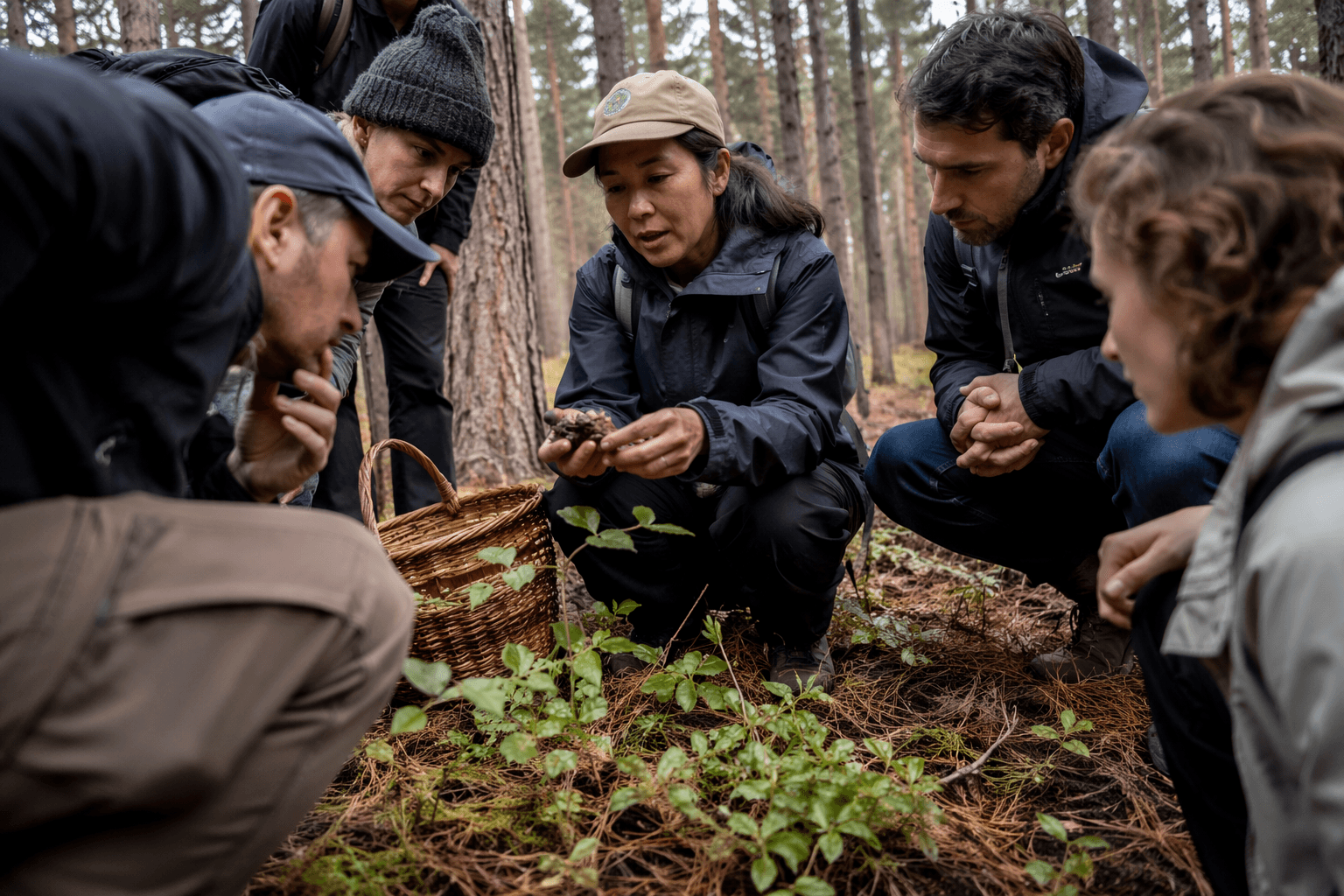
A cap breaks the duff only after fungi have been moving carbon and energy through the soil food web below it. In Nature Reviews Microbiology, Matthias C. Rillig treats those hidden networks as core infrastructure for ecosystem stability, agricultural productivity, and carbon storage. The Rillig Lab has spent the past decade studying fungal isolates, and the synthesis supports a field truth: when the underground web is healthy, the woods are more likely to keep fruiting.
The underground engine behind a flush
Fungi are species-rich assemblages of spore-producing, filamentous organisms that work as decomposers, mutualists, and sometimes pathogens. Soil-based fungi form symbiotic associations with plant roots, trading water and nutrients for plant carbon, and in some cases helping protect the host from disease; many plants depend on those mycorrhizal networks for phosphorus and nitrogen. Rillig calls fungi “the invisible cornerstone of many ecosystems.” The mushroom aboveground is only the reproductive body of a much larger underground partnership with roots, microbes, moisture, and soil chemistry.
What a healthy patch looks like
The field implications show up where the forest floor has been stressed. Climate change, land-use change, and chemical pollution can alter fungal community composition, and those shifts can seriously affect ecosystems and agricultural production. If the trees, understory, and soil biology are being weakened, the patch has less capacity to rebuild the conditions that support the next flush. Protecting the root zone matters because the fungi that feed roots also help maintain the trees and understory plants that create future habitat for edible species year after year.
Carbon storage, crops, and dry-year resilience
A Science paper on arbuscular mycorrhizal fungi found that these networks form symbioses with about 70 percent of plant species and move roughly 1 billion metric tons of carbon into Earth’s soils each year. Mycorrhizae improve nutrient and water uptake, while the host plant returns carbohydrates from photosynthesis. A Nature paper on mycorrhizas and drought found that mycorrhizas can help shape how plants adapt to changing water availability. Healthy fungal networks are part of why some forests stay productive through dry spells and why crop systems with intact symbioses tend to hold together better under stress.
Why protecting habitat is the real harvest
Rillig also notes that fungi can be destructive pathogens and that their role in antifungal resistance deserves more study.
This article was produced by Prism’s automated news system from verified source data, official records, and press releases, then run through automated quality and moderation checks before publishing. The system is built and supervised by the people who set the standards it runs under. Read our full AI policy.
Did this article answer your question?