USDA rules set clear limits for mushroom foragers and sellers
The line between a hobby basket and a federal violation is narrower than many foragers think, and USDA forest rules put hard numbers on it.

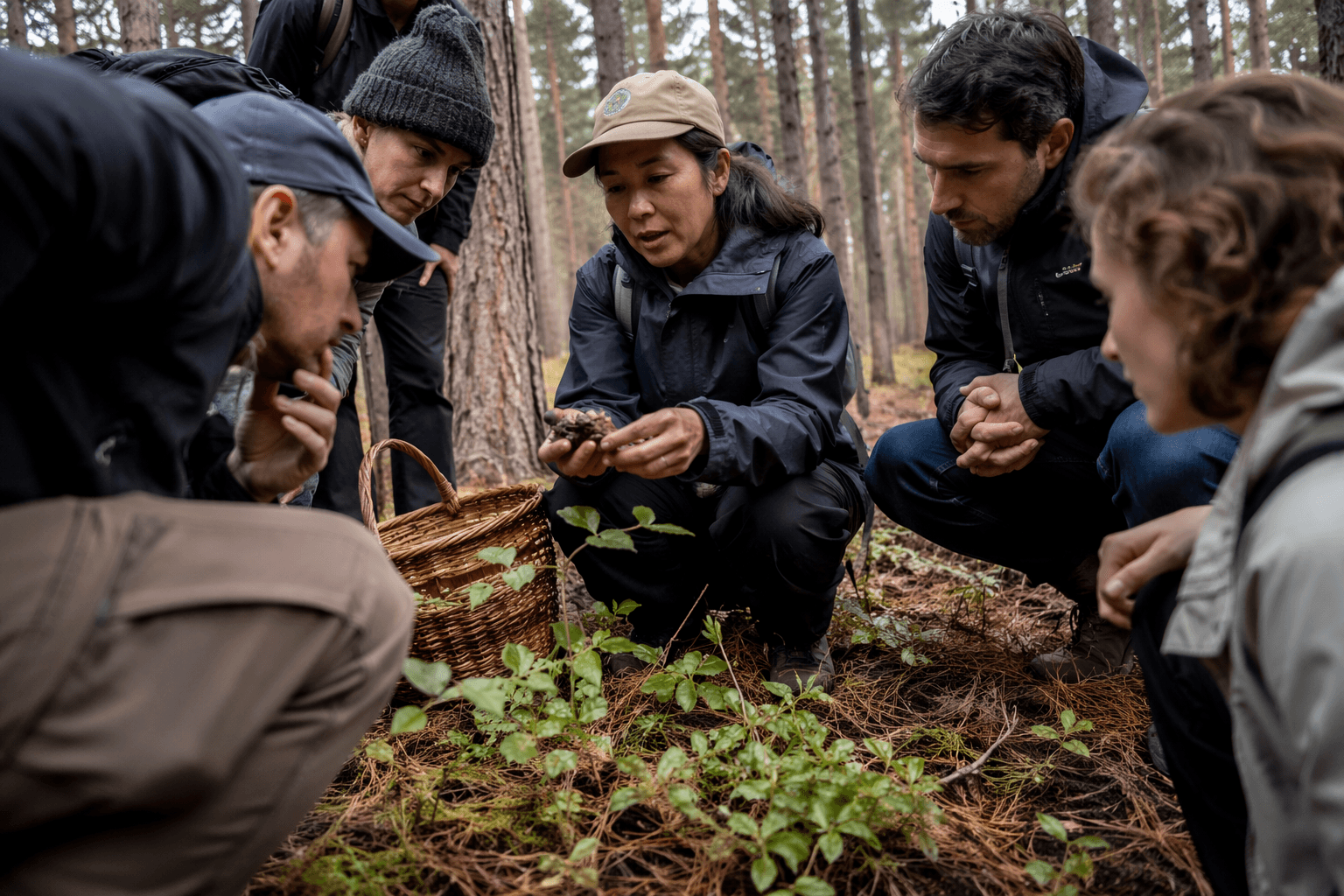
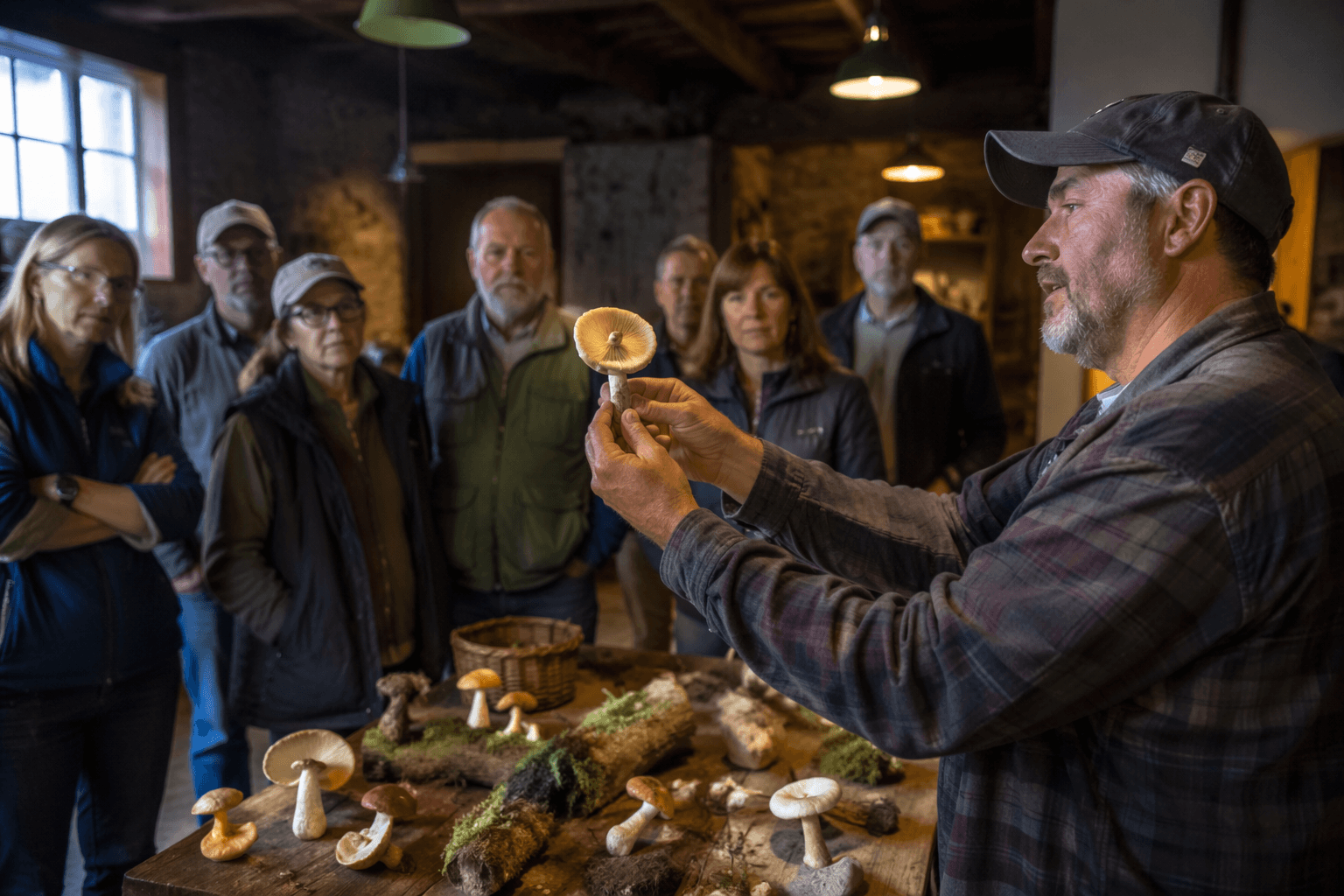
Mushroom hunting on national forest land is not a free-for-all. On some acres, you can gather for personal use without a permit, but only if you stay inside a one-gallon-per-species annual limit; on others, you need a permit and a harvest-area map in your pocket before you touch a stem. The USDA Forest Service draws a sharp line between a basket of chanterelles for dinner and a load meant for sale.
Know the line between personal use and commerce
Olympic National Forest sets out one of the clearest public-land standards. Incidental gathering for personal use does not require a permit there, but the harvest limit is one gallon per species per year. That same rule also draws a bright line on what you cannot do: mushrooms gathered under incidental-use rules may not be sold or traded, and any commercial harvest requires a permit.
Willamette National Forest goes further and shows how tightly some forests manage the trade side of the mushroom world. On participating forests, everyone must have a valid permit and a harvest-area map in their possession to gather, transport, or sell mushrooms. Selling or exchanging mushrooms gathered incidentally or under a free-use permit is a federal violation that can bring a fine of up to $5,000, up to 6 months in jail, or both. Commercial permits there cost $2 per day, with a 10-day or $20 minimum, or $100 annually.
Carry the map and respect the closed ground
Gifford Pinchot National Forest requires free special-forest-product harvest area maps, and foragers must pick them up before they start. It also prohibits collecting mushrooms in wilderness areas and within the Mount St. Helens National Volcanic Monument.
The Northern Region mushroom page points foragers to an interactive map showing past wildfire and prescribed-burn areas where mushrooms may fruit. Prescribed fire is a planned management tool to reduce hazardous fuels and promote the growth of trees, wildflowers, and other plants. Morels often fruit prolifically in the years after wildfire. Burned ground can be productive ground, but post-fire terrain can be risky even when it is rich with fungi.

A practical field check starts before you leave the trailhead:
- Confirm the local forest’s mushroom page, not just a general regional rule.
- Pick up the free harvest-area map where the forest requires one.
- Stay out of wilderness, monument, and closure areas.
- Treat burned landscapes as both promising and potentially hazardous.
Harvest like a steward, not just a picker
Willamette National Forest puts stewardship into specific instructions. At least one-third of mushroom caps in the collection area should be left intact so they can release spores. Incidental and free-use mushrooms must be cut in half lengthwise, with both halves separated at harvest. Rare truffles and rare mushrooms may not be harvested at all, and soil around fungi should not be disturbed by raking, digging, or hoeing except to uncover truffles at the surface.
Leaving cap tissue behind helps spores spread. Avoiding rakes and hoes keeps the forest floor intact. Skipping rare species protects the parts of the fungus community that can disappear fastest under pressure. The same Willamette rule also bars commercial collection in Late Successional Reserves and riparian areas, where the forest is already managing for sensitive habitat and water.
The University of Kentucky warns foragers to avoid disturbing natural areas through collection and that even edible mushrooms can cause problems through illness, drug interactions, allergies, or improper storage and cooking. The University of New Hampshire warns against pesticide-treated areas, manure-contaminated sites, and any mushroom showing signs of animal intrusion, such as tears or bite marks.

Selling mushrooms brings a different set of rules
On Willamette National Forest, commercial sale requires the right permit and harvest-area map, and incidentally gathered or free-use mushrooms cannot legally be sold or exchanged. On the household side, New Hampshire’s guidance adds another limit: only licensed harvesters can legally sell wild mushrooms to food establishments there.
Public-land mushroom harvesting sits under the Multiple Use Sustained Yield Act of 1960, which directs national forests to balance recreation, timber, watershed, wildlife, and fish purposes, and the National Environmental Policy Act of 1969, which came into force in 1970.
A University of Oregon thesis on the commercial wild mushroom harvest in the Willamette National Forest argues that Oregon’s edible wild mushroom industry contributes significantly to the economy, that thousands of commercial harvesters are out picking, and that those harvesters are diverse, highly mobile, politically weak, and largely understudied. The same thesis says clearcuts and logging destroy mushroom patches and that harvesters’ voices are largely missing from planning processes. The thesis argues that forest management is not environmentally or socially just unless harvesters are part of the decisions.
The practical checklist before you step into the woods
Before you step into the woods, check whether the forest allows incidental use or requires a permit. Carry the map if the district requires one. Stay out of wilderness, monument, closure, Late Successional Reserve, and riparian areas when the rules say so. Leave plenty of caps behind, keep your tools gentle, and do not move mushrooms into sales territory unless your permit and local law clearly allow it.
This article was produced by Prism’s automated news system from verified source data, official records, and press releases, then run through automated quality and moderation checks before publishing. The system is built and supervised by the people who set the standards it runs under. Read our full AI policy.
Did this article answer your question?