NBA 2K MyTEAM Cheating Scandal Rocks King-of-the-Court Competitive Scene
Confirmed by creator clip logs and partial admissions, a boosting and stream-sniping scandal hit King of the Court's $10K weekly prize window that closed April 4.
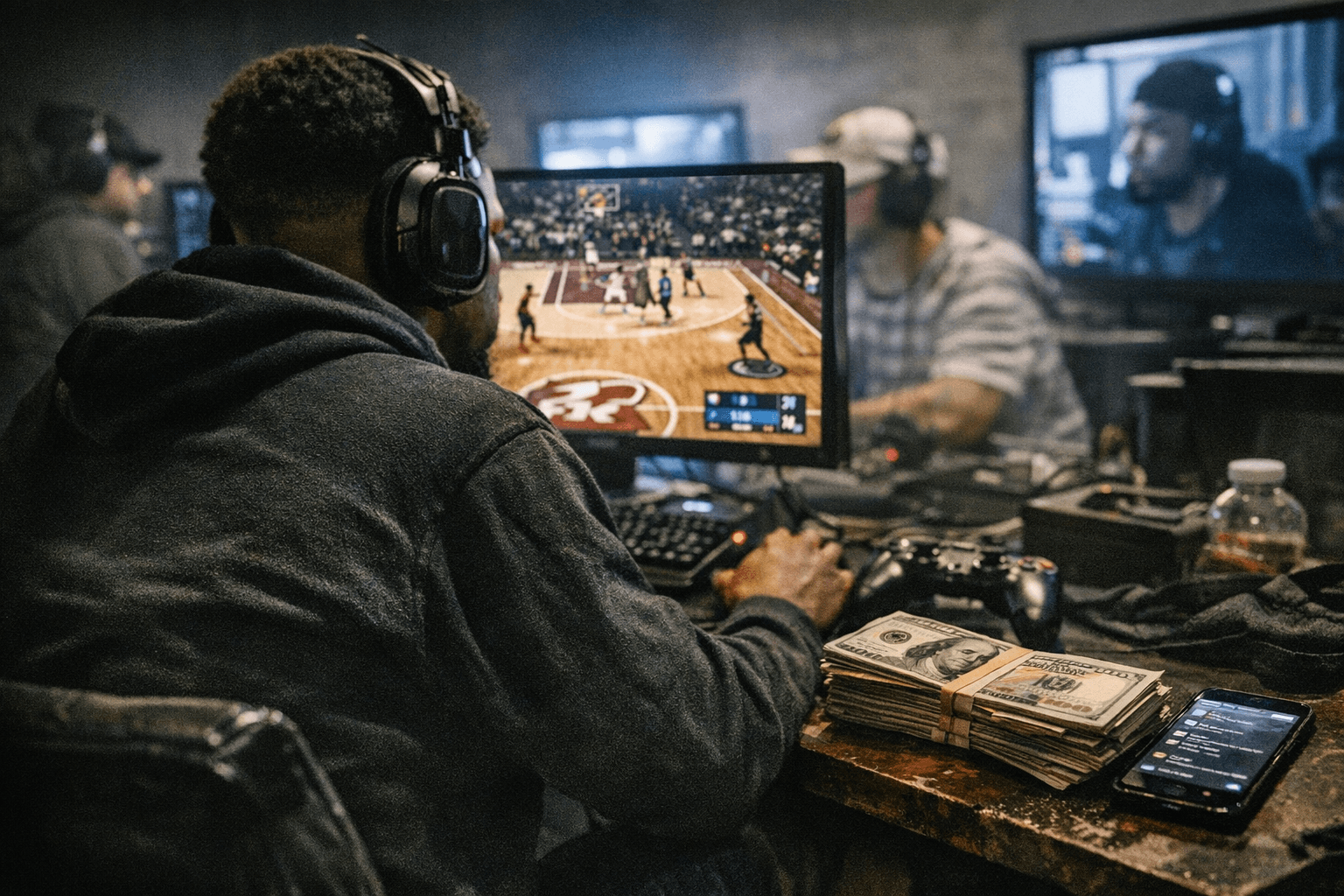
The $10,000 weekly prize that makes King of the Court the highest-stakes format in NBA 2K26 MyTEAM is now at the center of a cheating scandal that tore through the competitive community following the weekend window that closed April 4. Multiple high-reach creators published documentary-style investigative videos over the final days of March and into early April, dissecting suspicious leaderboard patterns and, in at least some cases, pulling partial admissions from participants caught in compiled footage.
The King of the Court format is structurally exposed to certain exploit categories. The event ranks participants by the sum of their four best game scores across a Friday-through-Sunday window, running each week from 3PM PT on Friday to 11:59PM PT on Sunday, with three losses locking a score permanently. That design creates a clean target for boosting, where coordinated players arrange favorable runs or manufacture loss-free sessions through the no-loss glitch, a method involving mid-game pauses and scripting that invalidates a loss before it registers on the server. Creators compiled match footage showing stat patterns, unusual score clustering, and movement behavior consistent with pre-arranged results. Outside coordination through account-sharing for prize-eligible runs also surfaced as a separate accusation in the creator investigations.
Hardware cheating layered on top of that. Cronus Zen and Titan devices running auto-green timing scripts sit between a controller and a console without touching game files, making them functionally invisible to standard detection. A Vortex Gaming analysis of ranked play documented that 60 percent of top-ranked players in NBA 2K26 had faced sanctions at some point, though enforcement timing has been the persistent problem: 2K retroactively sanctions players after the fact, which means prizes and placements can already be locked in before any ruling lands.
Creator and community figures including Flight, Uncle Demi, and RedCityBoi23 weighed in as the coverage from Brutalsim Da Guru and others drove the conversation. The calls from the community have been consistent: publish replay logs, explain disqualification reasoning publicly, and require event participants to stream with full HUD and client overlays so independent review is possible.
The last meaningful 2K enforcement escalation came when the developer began issuing permanent bans to repeat offenders on PC, where Easy Anti-Cheat at least provides a framework for catching unauthorized software. Console, particularly Xbox, remains the softer surface because hardware devices never interact with game files directly. 2K has historically moved on patterns of server-logged anomalies paired with creator-compiled clip packages; isolated report submissions without corroborating server data rarely produce visible outcomes. That distinction matters for anyone documenting suspicious King of the Court matches right now: the most effective path is preserving clip evidence through your console's capture settings and routing it through the NBA 2K Support portal, which accepts video alongside standard in-game reports, rather than relying on public call-outs that can stall formal adjudication.
The next weekend King of the Court window opens Friday. Whether 2K or tournament operators publish a transparent ruling before that starting gun is the benchmark the competitive scene is watching.
This article was produced by Prism’s automated news system from verified source data, official records, and press releases, then run through automated quality and moderation checks before publishing. The system is built and supervised by the people who set the standards it runs under. Read our full AI policy.
Did this article answer your question?