NBA2KLab Breaks Down Top 10 Dribbling Changes From Community Day Testing
NBA2KLab's hands-on Community Day testing confirms a hard adrenaline penalty for triple escape chains and the return of fully chainable misdirections, reshaping 2K26's entire guard meta.
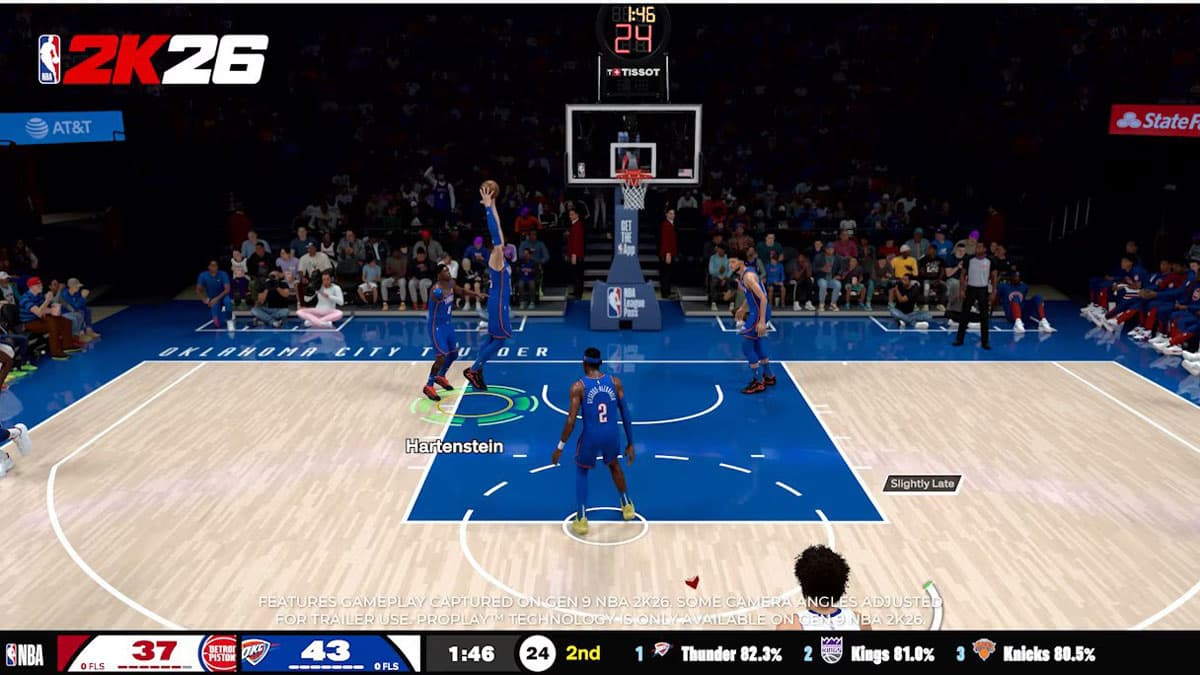
NBA2KLab's hands-on testing at the 2K26 Community Day on April 3 confirmed what every guard build needs to hear immediately: chain the same escape turbo cross three times in a row and you will lose an adrenaline bar. That single mechanic change touches everything from badge investment to how you sequence combos in live games. Operation Sports and a broad spread of YouTube creators independently cross-validated the findings through comparative clip sessions, giving NBA2KLab's breakdown the kind of multi-source credibility that separates preview intel from speculation.
The full picture is more nuanced than one adrenaline penalty, though. The dribbling system in 2K26 has been overhauled across animation inputs, move chaining, and dribble style gating, and the changes compound on each other in ways that will force build decisions before the game even ships. Here is every key change from NBA2KLab's top 10 breakdown, in order of impact.
1. Escape Turbo Crosses Have a Three-Rep Limit
Escape turbo crosses can still be chained consecutively, and they remain one of the most effective separation tools in the game. The ceiling is two in a row. According to NBA2KLab's community day testing, executing three escape turbo crosses back to back to back triggers an immediate loss of one adrenaline bar. Developers added this cost specifically to break the unlimited chain spam meta, which means the move around it is deliberate sequencing: cap yourself at two reps, then transition to a different move category before resetting.
2. Misdirections Are Back and Fully Chainable
Misdirections return in 2K26 and, critically, they can be chained back to back. The input, however, has changed. The first right stick flick determines your animation type: flicking down diagonal away from your ball hand produces a misdirection behind the back, while the subsequent turbo hold and opposite flick executes the chain. NBA2KLab also confirmed misdirections extend to crosses, tweens, and hesitations, meaning the move family is far broader than previous years. Practice the new input timing in the Gatorade Training Facility before taking it into park or rec games.
3. The OG Momentum Cross and Momentum Behind the Back Are Restored
The momentum cross, absent from recent entries, is back, and it brings the momentum behind the back with it. The input is straightforward: flick directly up on the right stick, then hold turbo and run diagonally up with the left stick. NBA2KLab's testing confirmed this can be executed from any dribble style. The important qualifier is that there are tiers to how effective the momentum cross is depending on your equipped dribble style, which connects directly to the speed-with-ball thresholds in item 7. Crucially, these momentum moves chain into a variety of behind the back animations, making them the natural setup for the moves described next.
4. Moving Behind the Backs Are Crucial for Rim Pressure
Moving behind the backs emerged as one of the highest-priority tools at community day. The Scottie Pippen moving BTB specifically launches you away from defenders with a snapping animation that creates immediate separation and sets up finishing attempts at the rim. NBA2KLab's testing also highlighted Kobe White, which features multiple usable animations within the same package, and Devin Booker as viable alternatives. For drive-and-kick builds or anyone looking to attack the paint consistently, the moving BTB is the primary finisher move to equip.
5. Escape Package Combo Moves Unlock Two Distinct Animations Per Package
This is the most underrated change on the list. Within each escape package, holding turbo and flicking the right stick left-right produces one combo animation; flicking right-left produces a second, different animation. That means each escape package now functionally contains two combo moves rather than one, doubling the threat variety you can generate from a single animation package. NBA2KLab's testing with Kyrie Irving and SGA packages specifically flagged these as standout options at community day, with the combo animations described as delivering strong separation windows, making them priority equips for any guard or wing.
6. Behind the Backs Are Now Standalone Inputs
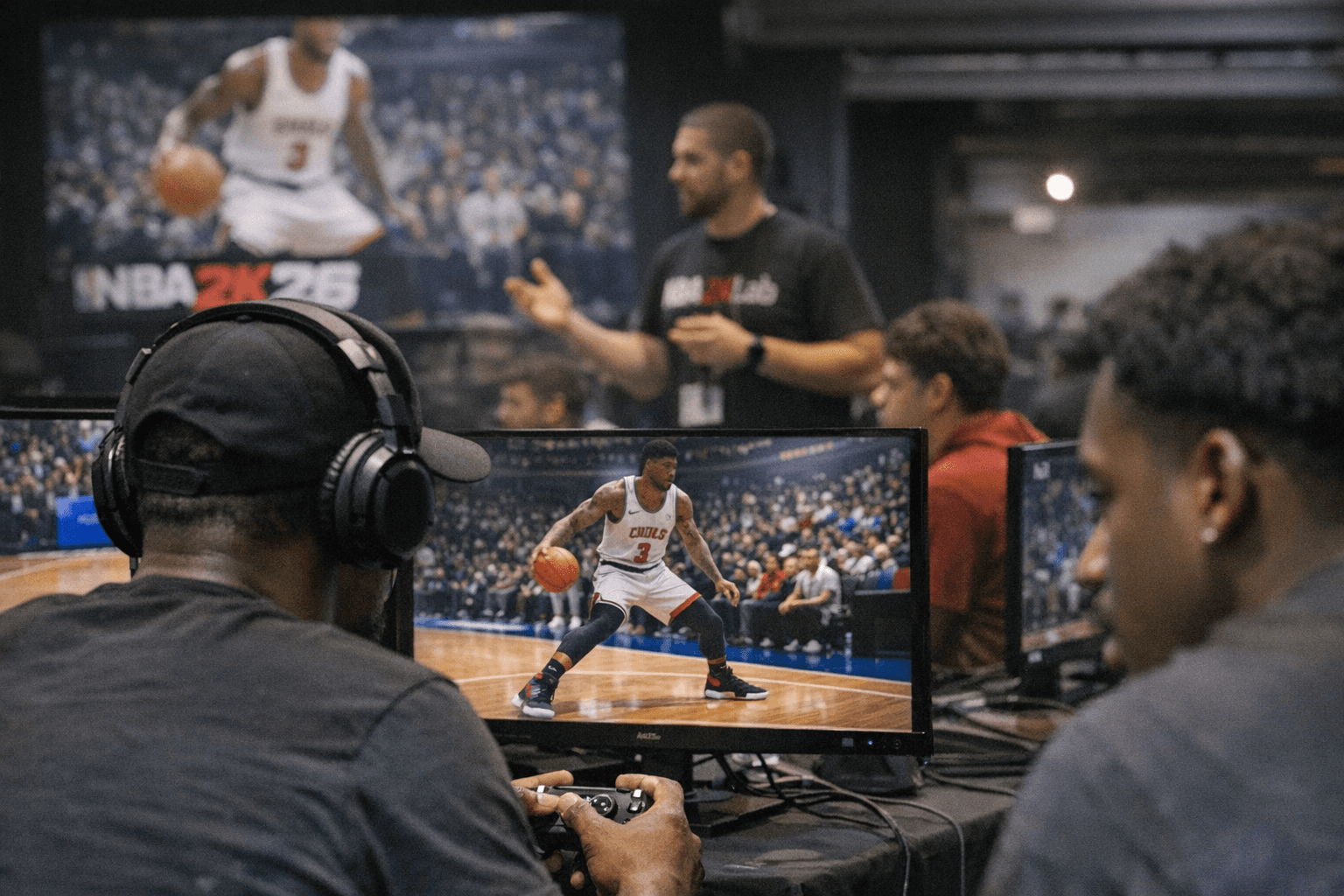
In 2K25, executing a behind the back required performing a prior move first, essentially using it as a combo extender. That requirement is gone. In 2K26, you can perform a behind the back on its own with no preceding move input and no heavy required before it. This expands when and where you can deploy the move during a sequence, and it means the BTB is now a legitimate first-move option off a catch or drive initiation rather than exclusively a chain finisher.
7. Dribble Styles Are Tiered by Speed-With-Ball Rating
NBA2KLab's community day breakdown confirmed a clear tier structure for dribble style access based on speed with ball rating. The thresholds are: Giannis and KD styles for big builds, Zach LaVine at 75, Luka at 80, SGA at 84, Jaylen Brown at 85, John Morant at 86, and De'Aaron Fox and Trey Young at 90. Morant was identified as the likely best overall style given the 86 threshold, while Fox and Trey Young at 90 represent the elite-access ceiling. These styles determine not just aesthetics but burst acceleration and cross launch speed, so the speed-with-ball number on your build directly gates which dribble tier you can access.
8. Walk Back Size Ups Create Reliable Distance
Walk back size ups function as a distance-creation tool designed to put space between you and a closing defender before initiating a drive or pull-up. These are especially effective for guards who want to manufacture space at the three-point line rather than purely attacking downhill. Combined with the new burst mechanics (item 10), walk backs set up the change-of-pace read by keeping the defender on their heels while you control the pace of the possession.
9. Snatch Backs Work Both Standing and Moving
The snatch back returns as a dual-context move in 2K26. The standing snatch back is executed by holding turbo and flicking directly down on the right stick. The moving version uses the same right stick flick but requires you to continue holding the left stick up throughout the animation. NBA2KLab's follow-up tutorial flagged standing and moving snatch backs as among the best space-creation moves in the system for generating an open shot window or resetting a stalled drive, making them a checklist item for any ball-handling guard to have in their arsenal.
10. Burst Mechanics and Change of Pace Got a Full Overhaul
Bursting in 2K26 has been simplified and made significantly more accessible: perform any right stick move and then hold turbo while running with the left stick to launch out. The bigger change is the change-of-pace burst. Walking up the court without turbo and then suddenly holding turbo and running with the left stick now triggers a burst that catches defenders out of position, particularly those who reach out of the play. NBA2KLab flagged this as extremely valuable under the new defensive reach mechanics, making controlled pace management, not constant turbo dribbling, the smarter approach for the 2K26 meta.
Build Implications: Who Respec, Who Stays
The adrenaline cost on triple escape chains is the clearest signal for build decisions. Any current 2K25 build that was optimized around spamming a single escape move repeatedly is directly penalized in 2K26 and should respec toward a more diversified combo toolkit. Specifically, prioritize an escape package that delivers strong combo animations, such as Kyrie or SGA, and build around the two-rep ceiling rather than trying to chain a third.
For speed-with-ball investment, the 86 threshold for John Morant's dribble style is the sweet spot for guards who want elite burst without committing to 90. Guards and wings currently sitting at 84 (SGA tier) are in a reasonable position and do not necessarily need to respec, but hitting 85 or 86 meaningfully upgrades the dribble style available to you. Any build below 75 speed with ball is limited to big-man styles and should factor that into whether a respec makes sense given how frequently you'll be initiating with the ball. Guards and wings at 90 remain in the strongest position in the new system, with Fox and Trey Young styles providing the fastest cross launch and burst windows of any dribble tier tested at community day.
This article was produced by Prism’s automated news system from verified source data, official records, and press releases, then run through automated quality and moderation checks before publishing. The system is built and supervised by the people who set the standards it runs under. Read our full AI policy.
Did this article answer your question?