NBA 2K26 boosts broadcast realism with sharper players and arenas
Sharper sweat, better arena lighting, and tuned courts make NBA 2K26 feel closer to a real broadcast, not just a prettier replay package.
The broadcast feel finally gets some weight
NBA 2K26 is pushing presentation in a way that actually matters to how a game night feels. The pitch here is not just “look at the shinier players,” it is that the whole telecast package has been tightened so each possession reads more like a live NBA broadcast. That matters because the biggest complaint with yearly 2K presentation has never been one single broken texture, it has been the gap between what the game wants to look like and how flat it can feel over a full run of possessions.
This year’s presentation work attacks that problem from multiple angles at once: player fidelity, arena atmosphere, commentary, and visual effects. That combination is what makes it more than cosmetic polish. If all you notice is a nicer replay, the upgrade is small. If the court, crowd, bodies, and audio all work together, the game stops feeling like a clean simulation window and starts feeling like an actual event.
Player fidelity is where the upgrade is easiest to see
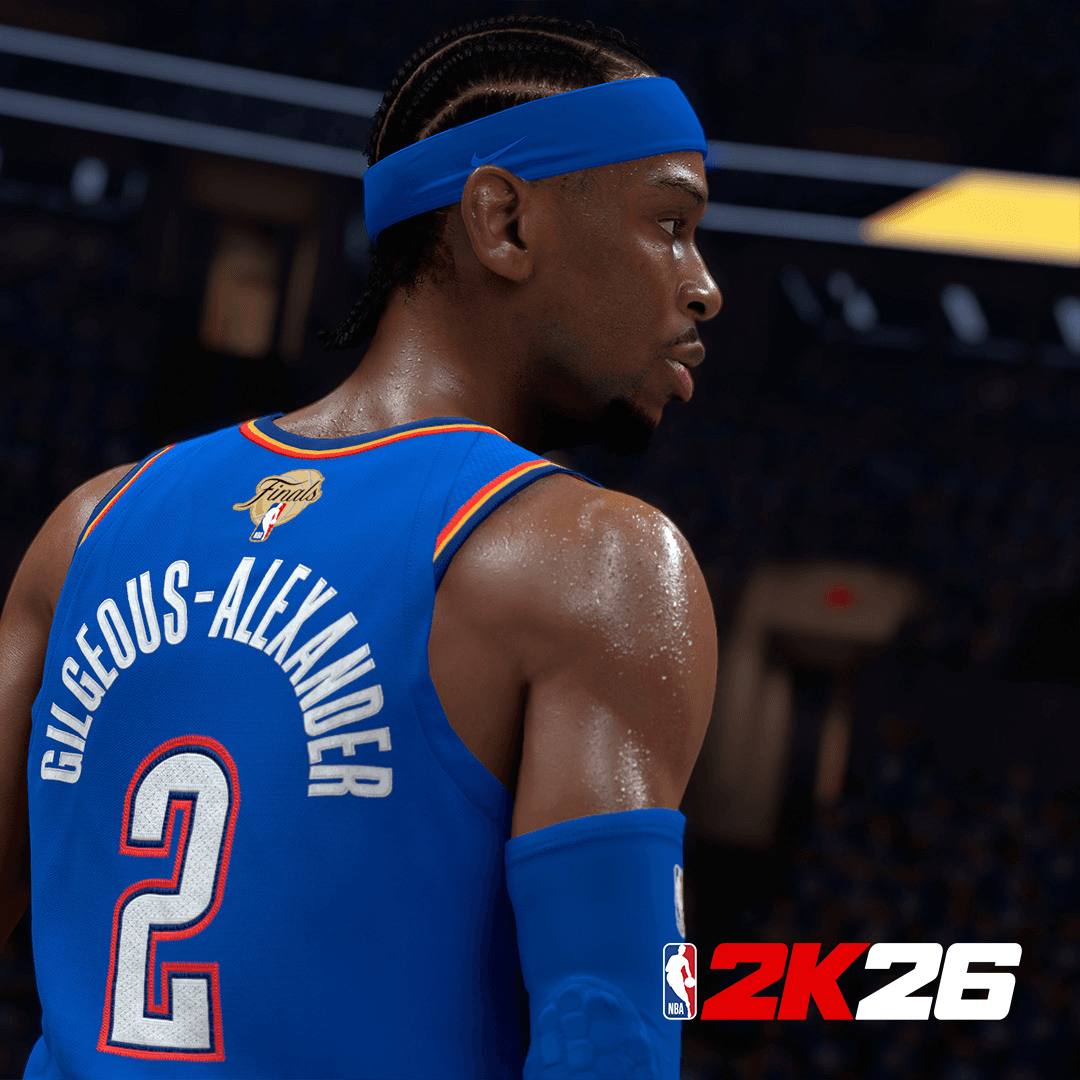
The biggest visual lift comes from the new shader work on players. NBA 2K26 is leaning hard into details that show up in close-ups and replays: sweat, facial detail, skin texture, lip cracks from dehydration, and more visible muscle definition after contact plays. That is the sort of thing you do not care about for the first two possessions, then suddenly you do when a late-game close-up lingers on your MyPLAYER or a star after a hard foul.
The gear treatment is just as important. Jerseys and shoes are getting better stitching and more accurate fabric curves, which gives bodies a little more weight and movement instead of that slightly too-clean digital look that has bugged players in past years. This does not change your jump shot timing or your defensive rotation, but it does make the game look less like a generic sports engine and more like a simulation of a real NBA night taking a beating over 48 minutes.
That matters most in the modes where you stare at the same players over and over. In MyCAREER, you spend enough time with your own build that tiny facial and body details become part of the experience. In MyNBA, where roster management and long season stretches depend on the illusion of a living league, the added wear-and-tear look helps sell the grind. Even in online games, where people usually care first about input and latency, better player rendering makes the broadcast layer feel less disposable.
Arenas are no longer just backdrops
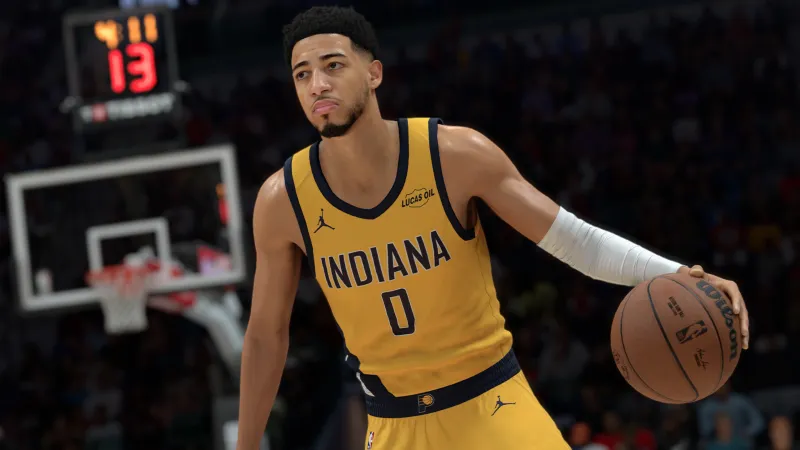
The arena work may be even more valuable than the player updates because it changes the whole tone of the game. NBA 2K26 has redesigned lighting for stronger intensity and color correction, and the floor shaders are meant to give each court more sheen and personality. That sounds small on paper, but the court is the center of every camera angle, so any improvement there pays off constantly.
The standout detail is that all 30 arenas have been tuned to match their real-world counterparts more closely. That includes signature team-specific touches like the Clippers’ wall, special light shows, and even arena haze for teams that use pyrotechnics. Those details are not random decoration. They are the difference between a court that merely resembles its real version and one that carries the same identity fans recognize from television.
This is where prior 2K complaints start to matter. Players have long pointed out visual repetition, stale arena feel, and the sense that too many buildings look good in isolation but not distinct enough over a whole season. If NBA 2K26 really nails the arena-specific touches, it should reduce that sameness immediately. A court with the right sheen, lighting, and team flavor does more than impress in screenshots. It gives each matchup its own temperature.
Crowd, commentary, and the TV-style illusion
The official presentation push also leans on stronger arena atmosphere and richer commentary, and that is the part that determines whether the upgrade sticks after the first hour. A lot of sports games can look impressive in a trailer and still feel hollow once the novelty fades. What keeps a broadcast-style presentation alive is whether the crowd, audio cues, and commentary sell momentum when the game turns.
That is why this upgrade matters for players who live in MyCAREER, MyNBA, and competitive online modes. When the crowd looks alive, the commentary responds better, and the court presentation matches the real league more closely, the whole experience gains weight. A late run in REC or Pro-Am feels bigger when the building sounds and looks like it is reacting instead of just looping crowd noise behind the action.
It also helps with the long-running issue of broadcast feel. NBA 2K has often gotten the broad strokes right, then lost the illusion in the details, whether that is repetitive crowd energy, a flat-looking floor, or players who feel too clean and static under the lights. NBA 2K26’s presentation overhaul is trying to close that gap by layering in more believable broadcast texture from every direction.
What this means for players who care about immersion
If your main question is whether this is just cosmetic polish, the honest answer is: it is cosmetic work with real impact. No presentation upgrade will fix bad shot selection, defensive AI, or latency, but presentation shapes how every possession feels. When the visual cues are sharper, the crowd atmosphere is better tuned, and the arenas actually resemble their real-life versions, the game becomes easier to believe in.
That belief matters in a basketball sim. NBA 2K lives and dies on the idea that it can recreate the rhythm of a real broadcast night, not just the rules of basketball. NBA 2K26 looks like a more serious attempt to make that illusion hold up from tipoff to final buzzer, and for a lot of players, that is enough to turn “nice visual update” into something that changes how the whole game lands.
In practical terms, the upgrade should be felt most in replays, cutaways, late-game close-ups, and the first few minutes of any matchup when the arena identity still hits fresh. If the game keeps that level of detail through an entire season, then NBA 2K26 will have done something the series has chased for years: make game night feel like game night, not just another clean match in a polished sports menu.
This article was produced by Prism’s automated news system from verified source data, official records, and press releases, then run through automated quality and moderation checks before publishing. The system is built and supervised by the people who set the standards it runs under. Read our full AI policy.
Did this article answer your question?