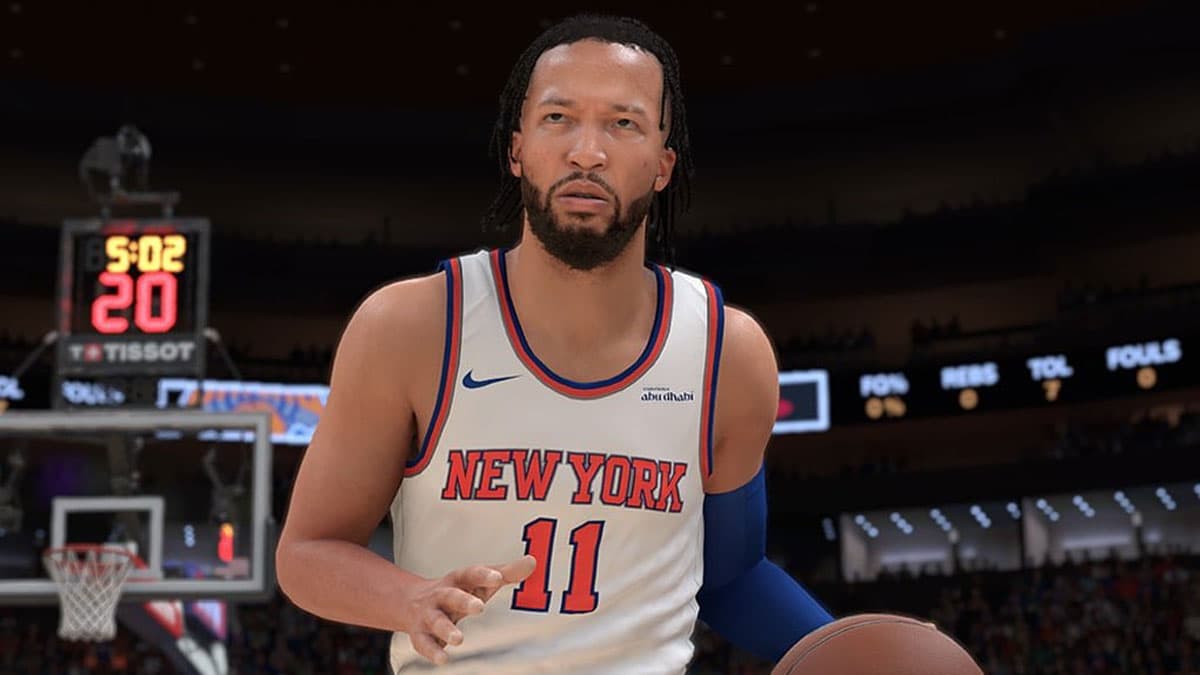
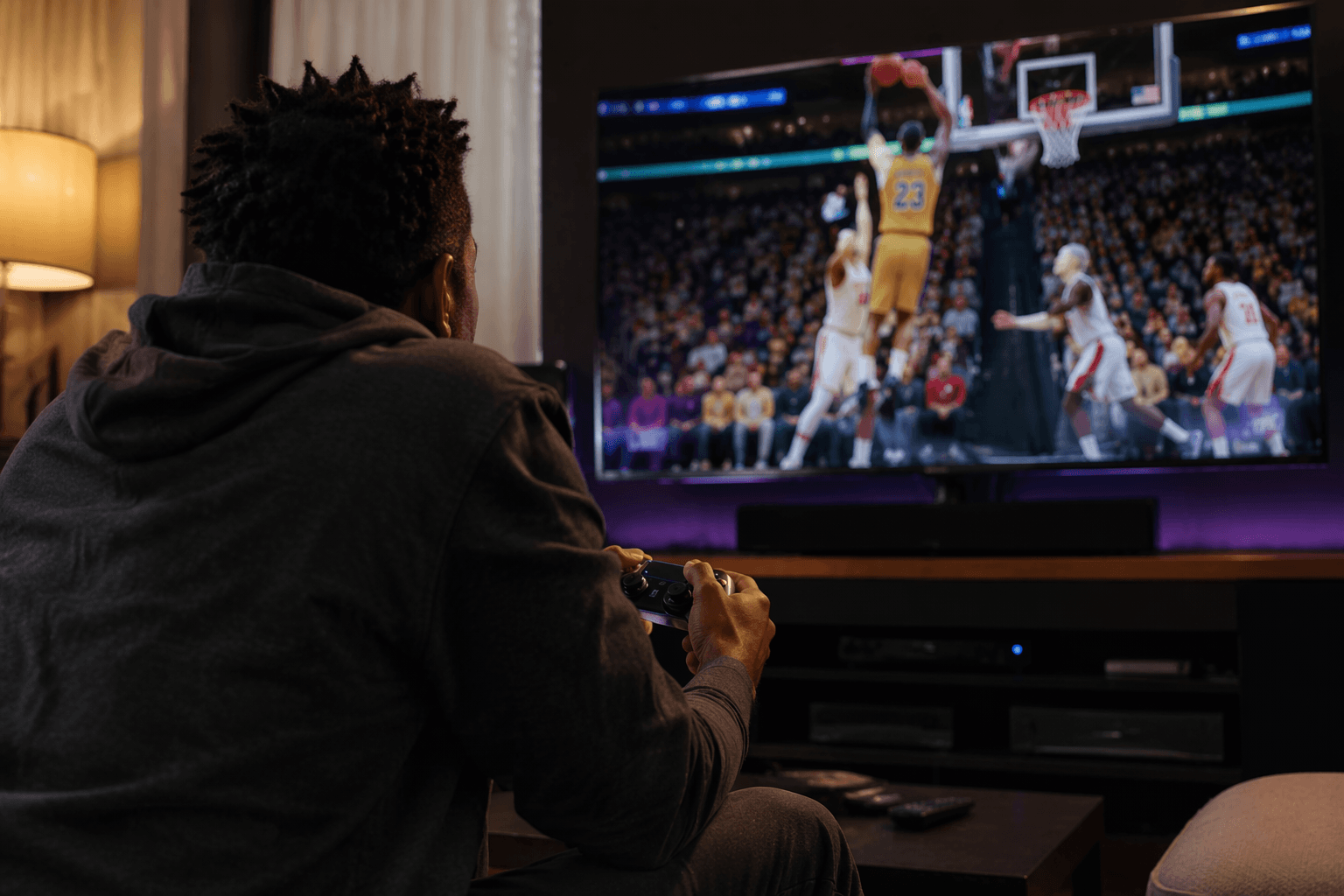
NBA 2K26 controls guide covers offense, defense, shooting, dribbling combos
NBA 2K26’s official controls guide is less about memorizing buttons than stopping costly misfires, with Rhythm Shooting, new offense controls, and hand-specific stick moves changing the game.
Why this guide matters now
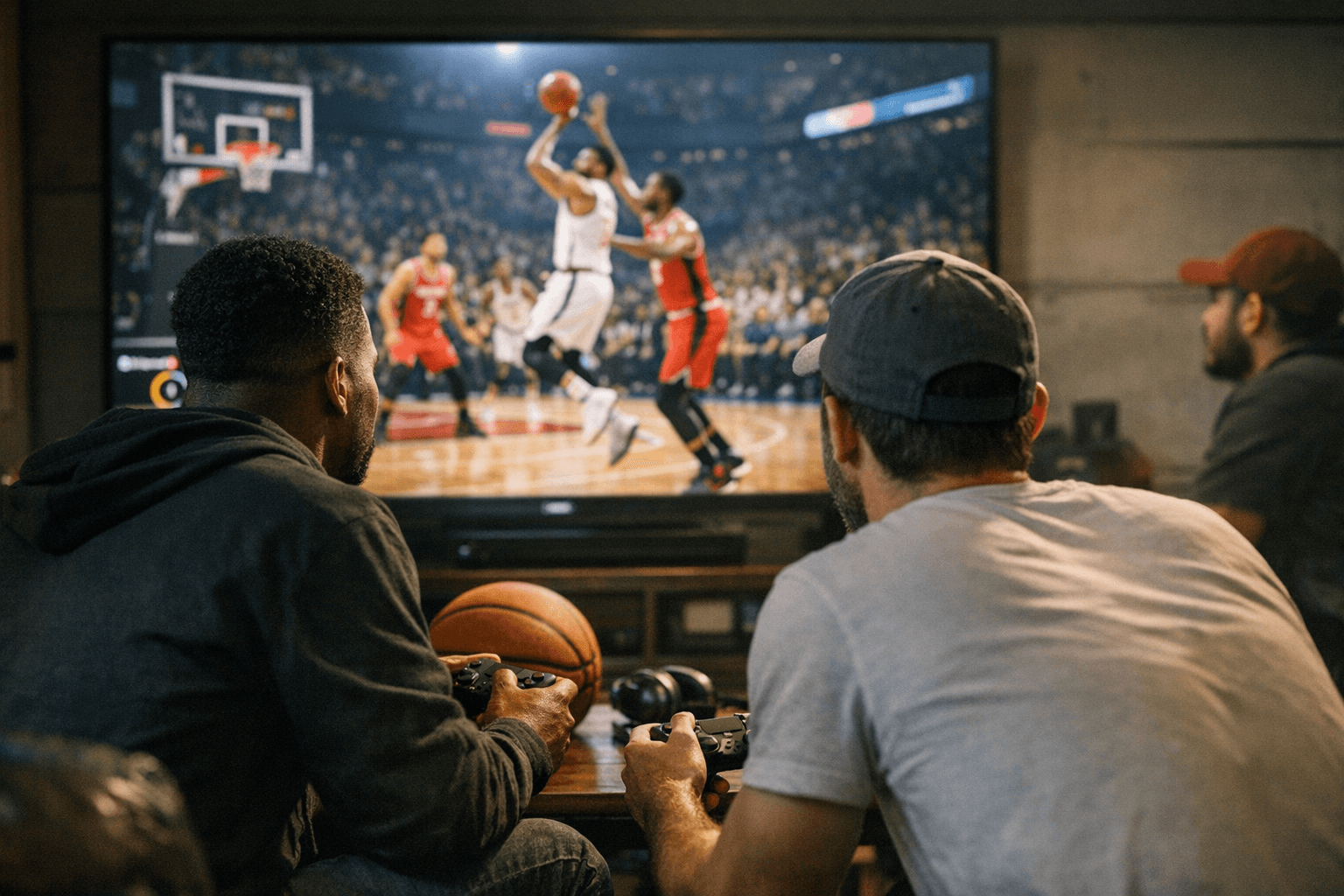
The quickest way to clean up your NBA 2K26 possessions is not to memorize every flashy combo, it is to know which inputs actually decide a trip down the floor. 2K’s official game guide is built to help you “hone your skills on the court” and deepen your basketball IQ, and that mission makes sense in a year when the game’s feel changed in real ways, not just cosmetic ones.
NBA 2K26 arrived first through Early Access for Superstar and Leave No Doubt editions on August 29, 2025, with the global launch following on September 5, 2025. That matters because the guide sits inside an active post-launch cycle, where patches, season updates, and gameplay tuning can make old habits feel stale fast. If you have not touched the sticks in a while, this is the kind of reference that keeps you from discovering the new timing the hard way in a live match.
The control guide is built like a survival manual
The best thing about the official layout is its logic. It moves from offense and defense basics into shooting, dribbling, and passing combos, so you can jump straight to the part of the game that is costing you possessions instead of hunting through trial and error. That structure is especially useful in NBA 2K26 because timing, stick direction, and context-sensitive mechanics all matter at once.
2K also frames the broader game around MyCAREER, MyTEAM, and MyNBA experiences powered by ProPLAY, which means the controls are not isolated training-room trivia. They are the entry point to the modes where build choices, badge thresholds, takeover requirements, and passing tricks all intersect. You can know the right card, the right build, and the right meta, but if your hands do not know the controller layout, those advantages stay theoretical.
Shooting is more specific this year
The big shooting story in NBA 2K26 is enhanced Rhythm Shooting on Gen 9 platforms, and that is exactly why a controls guide matters. Shooting is no longer just about finding an open look and hoping the release feels right. It asks you to read the motion, understand the stick, and respect the timing window the game is asking for.
That is where the official guide earns its keep. It does not treat shooting as a one-note mechanic, it ties the motion to the rest of the possession, which is how online games are actually played. If you are fading, stepping into space, or coming off a movement sequence, the difference between a make and a miss often comes down to whether you understood what the input was asking for before you released it.
Dribbling combos punish autopilot
The dribbling section is where a lot of returning players get exposed, because NBA 2K26 leans on movement that feels intuitive only after you have seen it a few times. The official gameplay guide even spells out shot-stick examples that change depending on which hand you are dribbling with, including a between-the-legs move when handling the ball in the right hand. That kind of detail is easy to overlook until it causes a turnover or a broken animation in traffic.
The important lesson is simple: do not assume the same stick motion will mean the same thing in every situation. Left-handed and right-handed handling changes execution, and the game will punish you if you flick on instinct without reading the ball side first. In pressure moments, that is the difference between creating an angle and handing the defense a free stop.
What to remember before you try to combo
- Check which hand is controlling the dribble before you go into a move chain.
- Treat stick direction as part of the move, not an afterthought.
- Use combos to create space, not just to look busy.
- If a sequence feels inconsistent, it is often a timing or context issue, not a missing trick.
Passing is still the quiet possession saver
The guide’s passing-combo breakdowns matter because most games are won in the little decisions that do not make the highlight reel. A quick pass, a safe reset, or the right read out of pressure can save a possession that was already drifting toward a bad shot. That is especially true online, where one rushed decision can turn into a fast break the other way before you have time to recover.
This is also where the guide’s “reference manual” feel helps the most. When the floor is crowded and the defense is active, you do not want to be guessing at combinations. You want a clean answer for the pass you mean to throw, whether you are creating from the wing, working out of a drive, or trying to keep the ball moving before the defense loads up.
Defense is where the new offense has to be answered
2K’s own gameplay messaging ties the controls guide to “offensive and defensive controls,” and that balance is the real point. NBA 2K26 added an all-new Dynamic Motion Engine on Gen 9 platforms, so movement on both sides of the ball matters more than just raw button memory. The cleaner your defensive inputs are, the less likely you are to get dragged out of position by a sharp first step or a quick chain of offensive movements.
The guide’s defensive basics are there to keep you from overreacting. When you know what your switch, closeout, or stop-gap input is supposed to accomplish, you stop gambling on every possession and start playing connected defense. That matters in a game where one bad reaction can open the lane, collapse the shell, and hand over an easy finish.
Use the guide as a living tool, not a one-time read
2K has made it clear that the game guide is meant to expand, which is a hint that controls knowledge in NBA 2K26 should be treated like a moving target. That is how the modern game works: new seasons, gameplay tuning, and feature-specific updates keep changing what feels reliable, especially in modes like MyCAREER and MyTEAM where every possession is measured against the current meta.
So the real value of this controls guide is not that it teaches you every input in the game. It is that it lowers the barrier between knowing NBA 2K26 and actually playing it well. If you can keep your shooting timing, dribble hand, passing read, and defensive response clean under pressure, the rest of the game starts to open up fast, and the controller finally feels like an extension of the build instead of a barrier between you and the win.
This article was produced by Prism’s automated news system from verified source data, official records, and press releases, then run through automated quality and moderation checks before publishing. The system is built and supervised by the people who set the standards it runs under. Read our full AI policy.
Know something we missed? Have a correction or additional information?
Submit a Tip