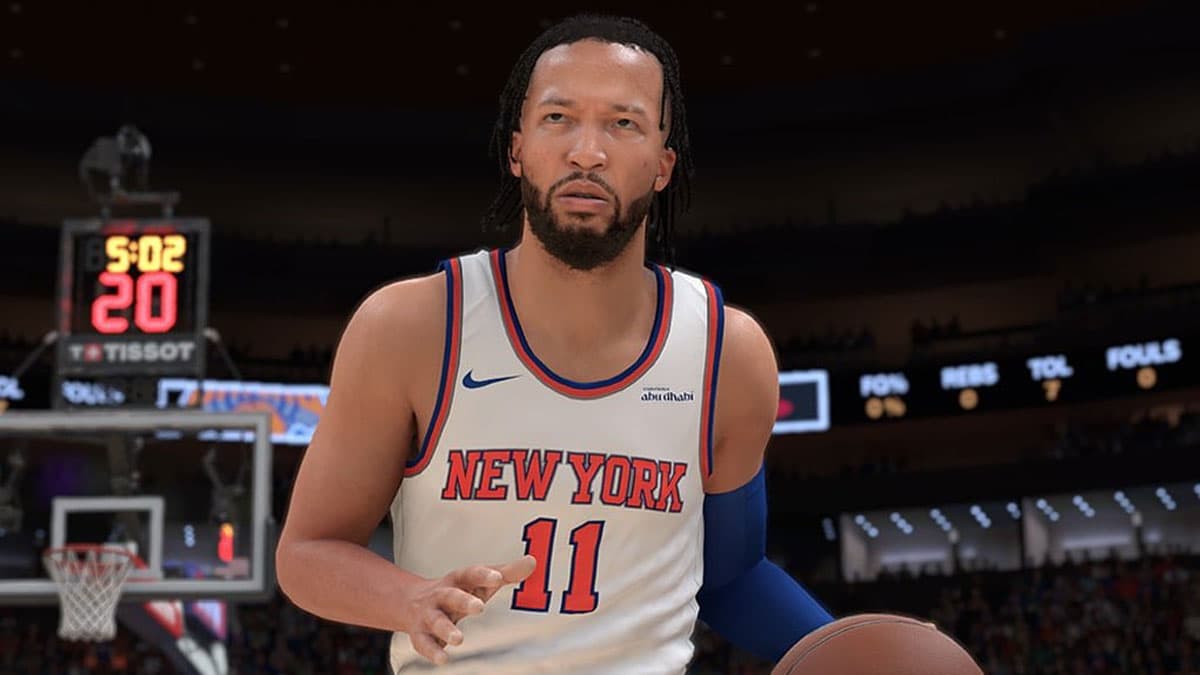
NBA 2K26 passing guide explains flashy and wrap pass controls
Wrap passes can turn a crowded drive into an easy bucket, but mistime them and they become the turnover 2K26 punishes hardest.

Passing is the hidden possession saver in NBA 2K26
NBA 2K26 gives passing more value than a lot of players are used to treating it with. The official game guide is built around mastering offensive and defensive controls, and that fits a game whose homepage sells authentic gameplay powered by ProPLAY. With Gen 9 movement, enhanced Rhythm Shooting, and a smoother, more responsive feel, quick decisions matter more because the window to punish a defense is smaller. In The City, where the layout is designed to be more accessible and competitive so you stay on the court more often, a clean pass can be the difference between extending a run and coughing up momentum.
That is why the flashy pass and the wrap pass deserve real attention instead of being filed away as highlight-move buttons. NBA 2K26’s season messaging has already tied elite passing to high-powered scoring, and the game’s live tuning makes that emphasis matter even more. Patch notes have continued to roll in, with updates posted March 30, 2026 for PlayStation 5 and Xbox Series X|S and April 3, 2026 for PC in preparation for Season 6. In a game that is still being actively adjusted, passing knowledge is not decorative. It is practical.
The wrap pass is the new answer to a defense that collapses
The wraparound pass is one of the cleanest new tools in NBA 2K26 because it gives you a way to move the ball around a defender instead of straight through traffic. The control is simple: double-tap Circle on PlayStation or double-tap B on Xbox, then use the Left Stick to aim the direction of the pass. That directional control matters because the move is at its best when you are trying to bend the ball around a help defender or a contest that has already committed to your drive.
This is the pass you want when a half-court attack gets crowded and a standard outlet would be too obvious. If a defender steps into the lane and shuts off the direct angle to the corner, the wrap pass can still get the ball to the weak side. It also makes sense on drives when the defense has pinched in so hard that your best look is not in front of you but around the edge of the collapse.
The key is not to treat it like a bailout button. A wrap pass is strongest when the defense has already overplayed the ball handler and the passing lane is hidden, not when you are trying to force something early. Used well, it turns a stalled possession into a clean corner look or a quick swing pass. Used badly, it becomes a live-ball turnover that feeds the other team transition points.
Flashy pass is about breaking pressure, not showing off
Flashy passing changed this year compared with earlier entries such as NBA 2K25, so returning players should not lean on old muscle memory. That matters because the move is useful only when you recognize the situation it is built for. Flashy passes are most valuable when pressure is high and you need to create offense quickly, especially in fast-break moments or when the defense is overcommitting to the ball handler.
Think of it this way: if the defense is scrambling backward and you have a lane to punish them, flashy passing can help convert that speed into an easy finish or an open shooter. If the defense has already sold out to stop the drive, a flashy pass can pop the ball to the right spot before the help fully resets. That is where the move earns its place in your toolkit.
The mistake is using flashy passes as a habit instead of a read. When the lane is crowded and the defender is sitting on the angle, a flashy pass can be the quickest route to a turnover. In NBA 2K26, where possession quality matters in MyCareer, Park, Rec, and other competitive settings, style points are worthless if they give away the ball. The flashy pass is a pressure breaker, not a decoration.
Use standard, flashy, or wrap based on the actual defense in front of you
The simplest rule in NBA 2K26 is this: let the defense decide which pass you throw.
- Use a standard pass when the lane is clean and the safest read is available. If your teammate is already open, do not add difficulty.
- Use a flashy pass when the defense is retreating, overcommitting, or vulnerable in transition and you can turn that pressure into a quick scoring chance.
- Use a wrap pass when the defense has collapsed on the ball and blocked the direct lane, especially on drives where the corner or weak side is the best answer.
That rule keeps you from forcing the wrong mechanic into the wrong possession. A fast break usually calls for the simplest and safest decision unless the break has created a real advantage and the flashy pass can finish it before the defense recovers. A half-court drive usually asks a different question: is the best lane straight ahead, around the defender, or across the floor? If the answer is around the defender, the wrap pass is the move. If the answer is ahead of the defense and they are scrambling, flashy passing can punish them before they set.
Why this matters in the current 2K26 meta
The reason this guide matters now is that NBA 2K26 rewards offense that moves with purpose. The official materials frame the game around mastery, authenticity, and responsiveness, and that creates a clear premium on decisions that save possessions instead of wasting them. Players who rely heavily on dribble combos and then struggle to finish possessions have a real bridge here: the wrap and flashy pass turn individual creation into team scoring without forcing you to take every shot yourself.
That is also why the timing piece is so important. In a live game that continues to receive updates, the smartest edge is not just knowing that the wrap pass exists. It is knowing when to use it before a trap forms, when to hit a flashy pass before the defense resets, and when to keep it simple and let the possession breathe. NBA 2K26 keeps rewarding players who make the right read quickly, and in that environment, better passing is not a side skill. It is the cleanest way to turn pressure into points.
This article was produced by Prism’s automated news system from verified source data, official records, and press releases, then run through automated quality and moderation checks before publishing. The system is built and supervised by the people who set the standards it runs under. Read our full AI policy.
Know something we missed? Have a correction or additional information?
Submit a Tip