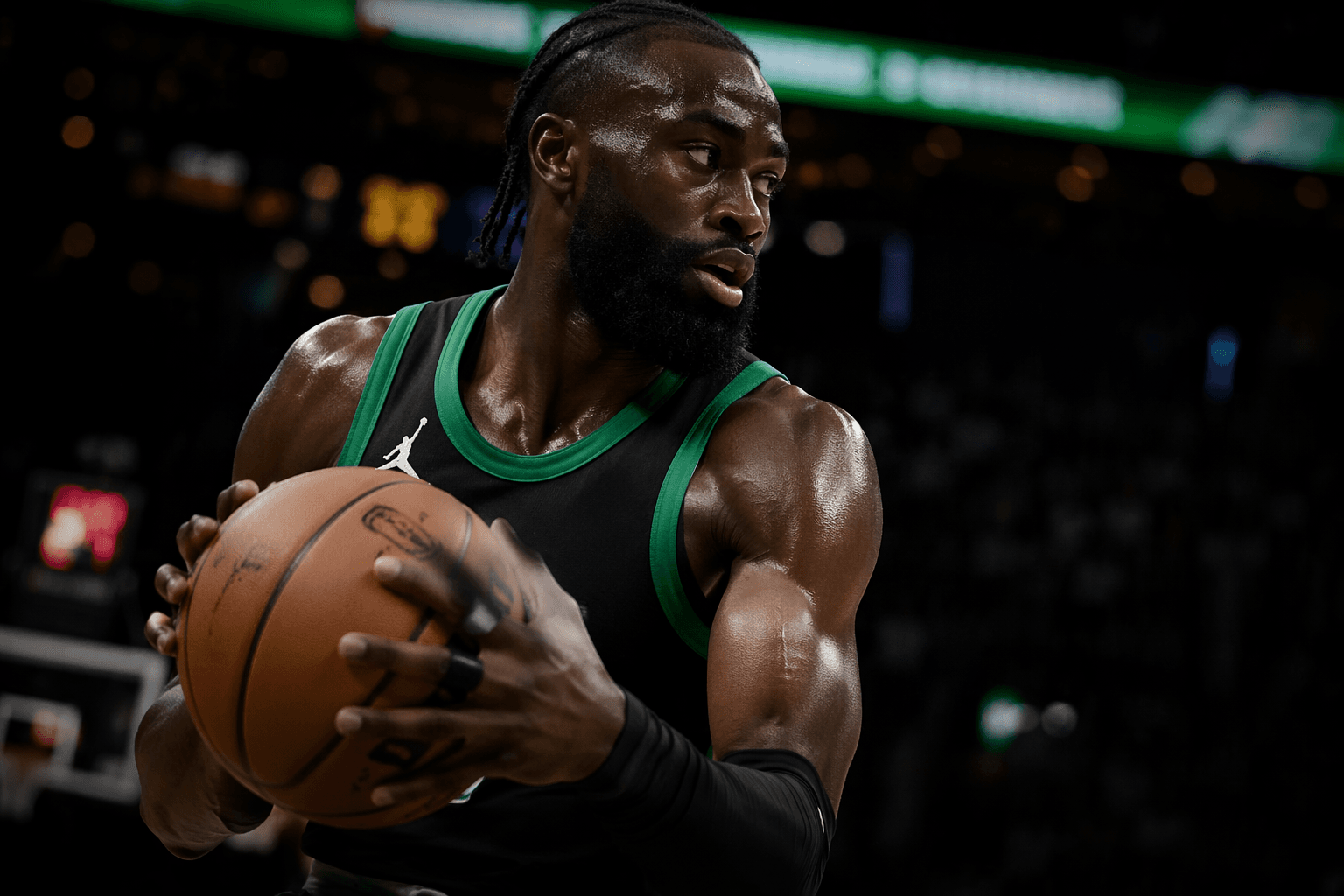
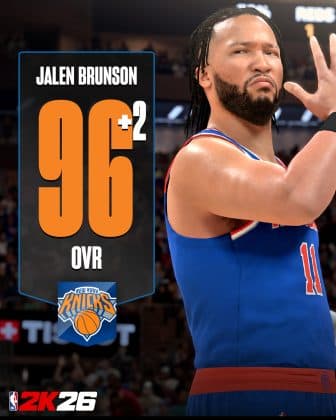
NBA Finals performances could shape future NBA 2K ratings updates
The Finals are 2K’s best ratings stress test. Big shots, stops, and late-game poise can change overalls, badges, and how builds get viewed.
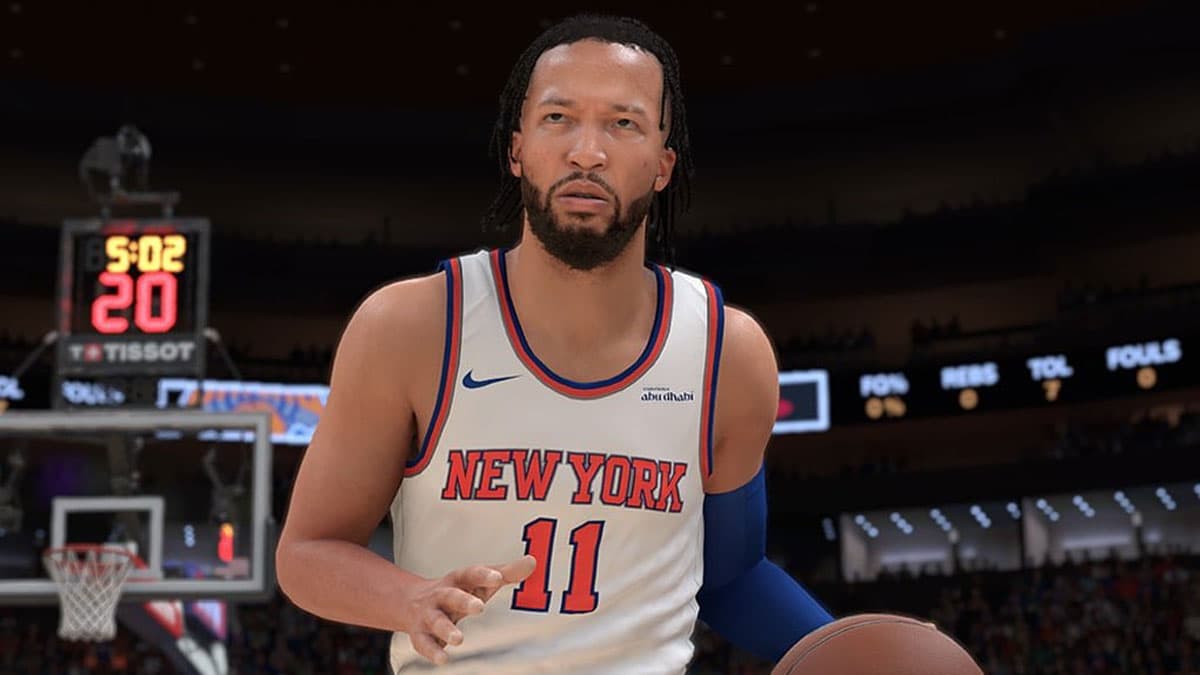
The Finals are where NBA 2K’s ratings logic gets exposed in plain sight. Every possession is louder, every miss gets replayed, and every elite stop is easier to separate from normal regular-season noise. If you want to predict the next ratings swing, watch less for empty scoring and more for the players who change how a series feels.
Why the Finals matter to 2K’s ratings model
2K already tells you how it thinks about ratings: the official NBA 2K26 Player Ratings page says it is the source for in-game ratings news and updates during the 2025-26 regular season, and that ratings are based on recent performances. The NBA 2K26 ratings blurbs also say strong play can make ratings trend upward, which is exactly why the Finals matter so much. By the time the playoffs arrive, Visual Concepts is no longer looking at raw talent in the abstract, it is looking at who is performing when the pressure is highest.
That timing matters. The NBA 2K25 ratings page said the final regular-season update landed on April 10 and was meant to prepare for the postseason, which tells you 2K explicitly treats playoff basketball as a separate evaluation lane. In other words, the Finals are not just a broadcast event. They are the cleanest late-season reference point 2K has for deciding whether a player’s OVR, attributes, and tendencies should stay put or get nudged.
The performances most likely to move the needle
The easiest way to read a Finals series is to look for the traits that 2K can actually translate into ratings. Big scoring nights matter, sure, but so do the details that show up in gameplay: clutch shot selection, on-ball defense, help-side timing, and composure when the score tightens. A player who keeps creating quality looks in the last five minutes can move the conversation around shot selection and clutch tendencies just as much as he moves the box score.
Anthony Edwards is the best recent template for how that works. Operation Sports documented a May 7, 2024 official ratings update during the playoffs that pushed Edwards to 95 OVR, up four points, with boosts across close, mid-range, three-point, speed, acceleration, vertical, and stamina, plus major badge upgrades. That is the kind of update that does not happen because of one hot night. It happens when a player’s playoff run convinces 2K that the whole profile has changed, not just one line in the box score.
That same logic is what makes Finals stars so interesting to watch now. If a player like Shai Gilgeous-Alexander keeps bending a series with shot creation and control, or Jayson Tatum keeps carrying a heavy scoring load without giving up two-way value, 2K has the kind of evidence it likes. If Stephen Curry turns a Finals into a spacing clinic, Kevin Durant keeps punishing switches, or LeBron James shows he still controls tempo on both ends, those are the kinds of performances that can reinforce high-end overalls and keep archetype perceptions locked in.
Watch the traits, not just the headline numbers
The trick is to stop thinking like a box-score scout and start thinking like a ratings editor. A Finals run can reshape how a player is viewed in several specific buckets:
- Clutch-related tendencies: Does he get cleaner looks late, or does the offense stall when the game tightens?
- Shot profile: Is the player creating threes, mid-range pull-ups, and rim pressure, or living on one easy lane?
- Defensive value: Is he making series-defining stops against elite opponents, especially on the perimeter or at the rim?
- Composure: Does he stay efficient when the defense loads up, or does the pressure expose shaky decision-making?
That last point is where the Finals can hurt as much as help. A bad series does not erase an entire season, but it can push developers to re-check earlier assumptions, especially when a player is sitting near a rating threshold where one or two points make a real gameplay difference. In 2K terms, that can be the gap between a build that feels elite and one that just looks elite on paper.
Why defenders and bigs can jump more than you think
The Finals are also where defense gets a fairer shake than it often does in the regular season. Against the league’s best offenses, a lock-down series is easier to contextualize, which is why a player in the mold of Kawhi Leonard or Victor Wembanyama can make a stronger ratings case than a casual box-score glance would suggest. Elite stops, rim protection, and switchable defense are exactly the kind of traits that feed into how 2K values a player’s real impact.
That matters in the frontcourt too. A big like Alperen Şengün or Karl-Anthony Towns can change how people talk about the position if the Finals make his passing, spacing, or shot-making look indispensable. A guard like Tyrese Haliburton can do the same if he controls tempo without turning into a target. Even players outside the obvious Finals spotlight, like Brandon Miller, Quentin Grimes, or a prospect such as Cooper Flagg, get pulled into these conversations because 2K communities remember which archetypes actually survive playoff pressure.
The postseason is already baked into 2K’s presentation
2K has been leaning into this framing for a while. Its NBA 2K26 Season 6 promo launched on April 3, 2026 and called the NBA Playoffs the battleground where players can reach their final form. That is not subtle marketing, and it lines up with how roster builders and MyNBA players already use postseason tape: as the most useful test of whether a rating, badge set, or build archetype deserves to be trusted.
The community has been treating it that way too. A June 3, 2023 Operation Sports forum post described a PS5 NBA 2K24 playoffs and off-season roster update that covered all 30 teams plus historic teams, which says a lot about how quickly players want the playoff context reflected in-game. When the Finals end, the conversation around the Dallas Mavericks, Houston Rockets, Charlotte Hornets, San Antonio Spurs, Boston Celtics, Los Angeles Clippers, Indiana Pacers, Philadelphia 76ers, Oklahoma City Thunder, and New York Knicks does not stop at real basketball. It spills right into ratings debates, roster edits, and the next wave of build talk.
That is why the Finals still matter as a ratings mirror. When the lights are brightest, 2K gets the clearest read on who is simply good and who is forcing the game to redraw the lines.
This article was produced by Prism’s automated news system from verified source data, official records, and press releases, then run through automated quality and moderation checks before publishing. The system is built and supervised by the people who set the standards it runs under. Read our full AI policy.
Know something we missed? Have a correction or additional information?
Submit a Tip