All Six New England Governors Unite to Explore Advanced Nuclear Energy
Six New England governors, crossing party lines, directed state energy agencies to explore advanced nuclear deployment as ISO-NE projects winter peak demand to double by 2045.

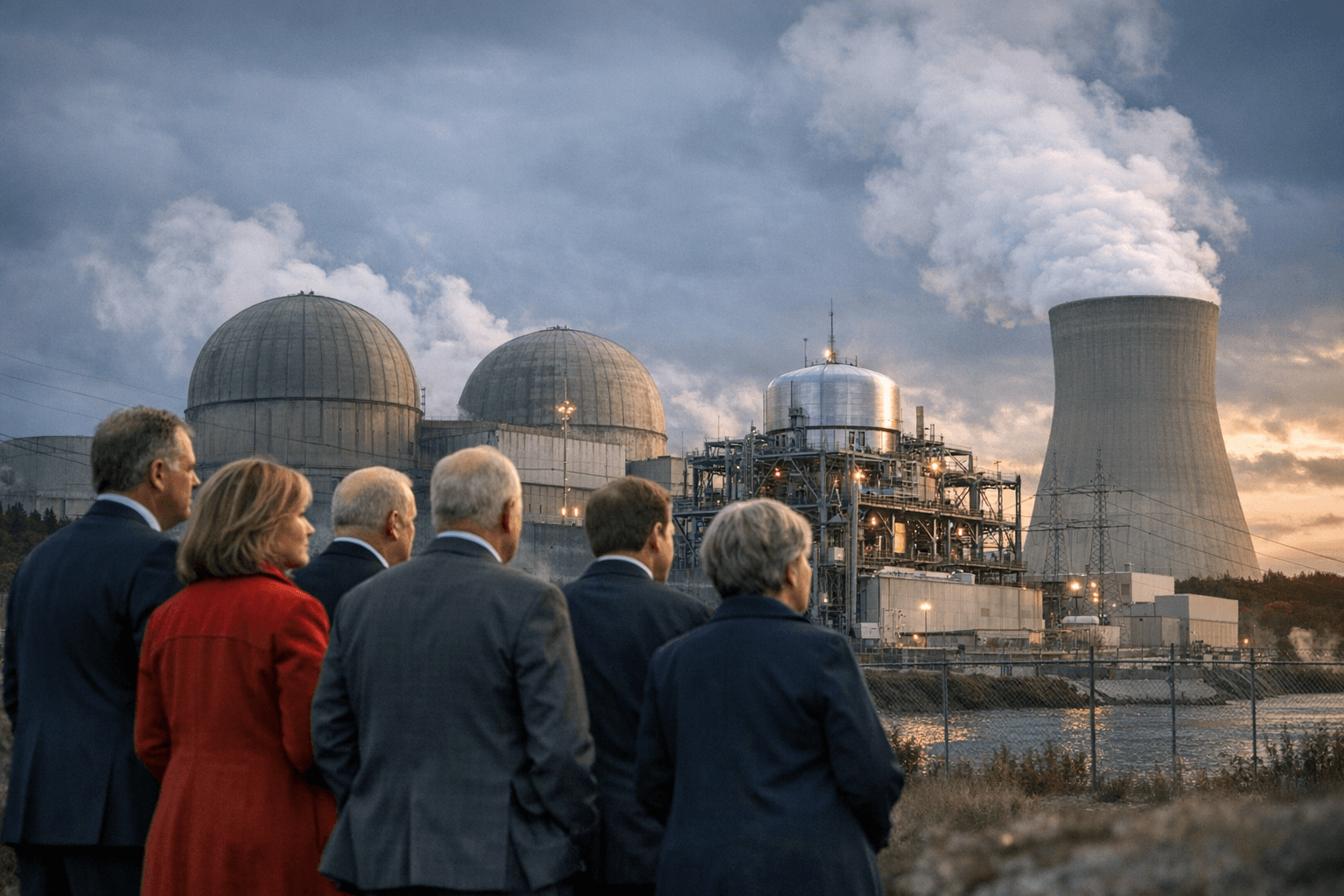
When Massachusetts Governor Maura Healey and New Hampshire Governor Kelly Ayotte agree on something, New England's energy industry notices. The two have spent much of the past year trading sharp words over immigration, affordability, and outmigration to the Granite State. But on March 31, both signed a joint statement alongside Connecticut's Ned Lamont, Maine's Janet Mills, Rhode Island's Dan McKee, and Vermont's Phil Scott, committing all six New England states to exploring advanced nuclear energy. The unanimous, bipartisan alignment is as politically striking as anything in the statement itself.
The governors framed the action around a number that's hard to argue with: according to ISO New England, electricity consumption across the region is expected to grow more than 40% over the next two decades, with winter peak demand projected to double by 2045. That forecast sits at the center of every conversation about New England's grid reliability and the price spikes that households absorb every January when cold snaps tighten gas pipeline capacity. "Adequate electricity supply is critical to growing our economies, preserving public health and safety, powering our homes and businesses, and stabilizing consumer prices as demand for electricity rises across the region," the governors stated.
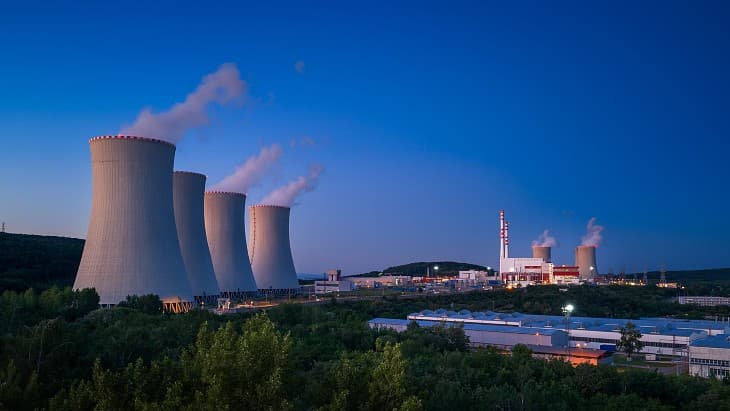
The joint statement directed state energy agencies to pursue two parallel tracks: protecting the continued safe and affordable operation of existing nuclear assets like Millstone in Connecticut and Seabrook in New Hampshire, and evaluating the potential deployment of advanced nuclear technologies in communities that volunteer to host them. Both tracks explicitly require coordination with ISO-NE, plant owners, federal agencies, and regional stakeholders. The governors were direct that local voices must shape siting decisions from the start, not as a late-stage formality.
Connecticut moved furthest, fastest. Governor Lamont's release directed the state's Department of Energy and Environmental Protection to establish an Advanced Nuclear Reactor Site Readiness Funding Program backed by $5 million in bond authorizations, covering early planning, technical analysis, and community engagement. DEEP launched statewide public workshops in December 2025 and has additional sessions planned for spring 2026, giving Connecticut a head start on the siting and stakeholder work the region's other states have yet to begin.
For project developers watching New England, the significance is structural. Regional alignment across all six states reduces the political uncertainty that has historically fragued multi-state nuclear conversations. State agencies are now explicitly tasked with identifying innovative financing structures, federal funding opportunities through DOE grant and permitting assistance programs, and public-private partnership frameworks. That's the groundwork for pulling real market levers: state-backed credit enhancements, regional power purchase agreements, and direct pressure on ISO-NE market design rules that have historically disadvantaged new baseload entry.
The test of seriousness will come in the next 90 to 180 days. Watch for whether state energy offices publish formal requests for information, identify candidate host communities, or announce partnerships with federal programs. Connecticut's $5 million site readiness program already has a charter; the other five states have not yet made comparable commitments. A region that can project doubling winter peak demand by 2045 has a compelling case to make to developers, ratepayers, and the federal government alike. Whether the joint statement becomes a policy framework or a press release depends on whether those next decisions get made.
This article was produced by Prism’s automated news system from verified source data, official records, and press releases, then run through automated quality and moderation checks before publishing. The system is built and supervised by the people who set the standards it runs under. Read our full AI policy.
Did this article answer your question?