Antares clears DOE safety review, nears Mark-0 reactor criticality
Antares won DOE signoff on Mark-0’s safety case, moving the Idaho National Laboratory microreactor into final pre-startup review.
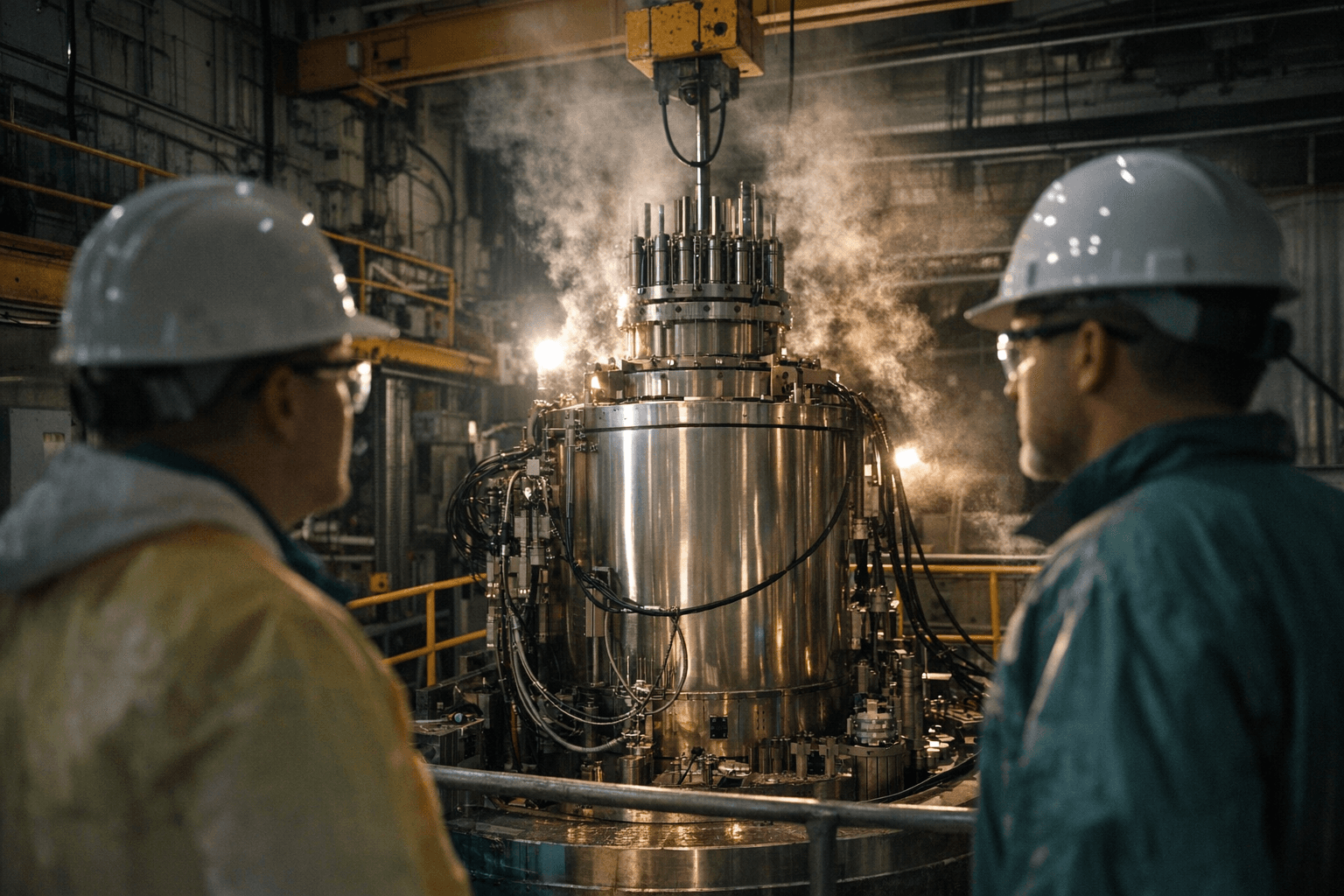
Antares cleared the U.S. Department of Energy’s safety analysis review for Mark-0 on April 6, a step the company says puts its microreactor at the final regulatory gate before startup approval and first criticality. The approval covers the Documented Safety Analysis for the Antares R1 Mark-0 demonstration reactor at Idaho National Laboratory, where the company plans to test a small, high-temperature heat-pipe design in Building 793 of the Materials and Fuels Complex.
In practice, DOE’s acceptance of the safety analysis means the agency has signed off on the reactor’s final design basis under DOE standard 1271. Antares had already received Preliminary Documented Safety Analysis approval in January 2026, and this latest decision completes the safety-case review that has to be in place before the reactor can enter the Readiness Review stage, the last formal phase before DOE can authorize startup of the pilot. That is the real handoff from paperwork to operations: the design is no longer just being defended on paper, it is now being checked for whether the plant, procedures, and crew are ready to run.
Antares says it remains on track to reach criticality before July 4, 2026, a deadline that lines up with DOE’s Reactor Pilot Program goal of bringing at least three advanced reactor concepts to criticality outside national laboratories by that date. DOE issued the program’s request for applications on June 18, 2025, and built it to speed advanced reactor testing through its own authority, rather than leaving projects stuck in the slower rhythm of ordinary development programs.
Mark-0 is not meant to be a one-off science project. Antares says the unit will validate reactor physics, neutronics models, and the instrumentation-and-control system that will carry over to Mark-1, the electricity-producing reactor the company is planning for 2027. DOE materials describe Mark-0 as a small, high-temperature heat pipe reactor configured for zero-power criticality testing, without power conversion or heat-removal systems. The same test facility and fuel batch are intended to support the later power-producing demonstration.
The supply chain behind the project is also moving. Antares said it has secured a DOE allocation of HALEU fuel feedstock, and fuel fabrication has been underway with BWX Technologies since October 2025. For a microreactor company, that combination of fuel, facility access, and a cleared safety case is what turns a concept into a near-term deployment candidate, and Mark-0 is now closer than ever to becoming the kind of hardware test that can reset expectations for the whole microreactor field.
This article was produced by Prism’s automated news system from verified source data, official records, and press releases, then run through automated quality and moderation checks before publishing. The system is built and supervised by the people who set the standards it runs under. Read our full AI policy.
Did this article answer your question?