EDF, NTPC sign pact to explore new nuclear projects in India
EDF and NTPC have a non-binding pact to study EPR projects in India, but the real test is whether it clears financing, liability and site-selection hurdles.
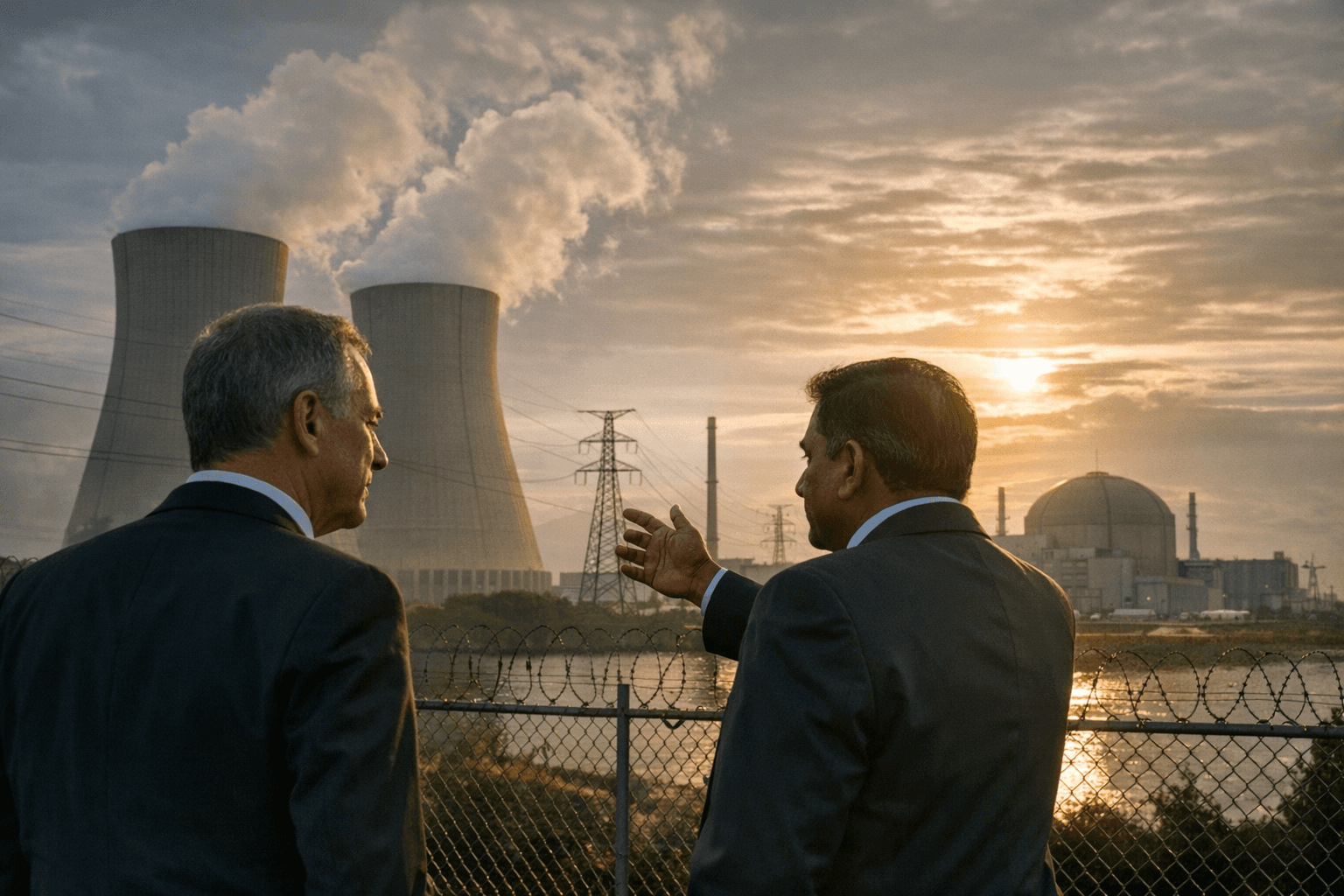
EDF and NTPC Limited have opened a new channel for nuclear cooperation in India, but the agreement is still only a memorandum of understanding, not a build order. The two companies signed the non-binding pact to study whether EDF’s EPR technology can fit Indian requirements, with the work covering localization, tariffs, workforce training, site selection and technical support. Arnada Prasad Samal signed for NTPC’s nuclear cell, while Vakisasi Ramany signed for EDF.
That makes the deal more useful as a signal than as a milestone. India’s nuclear sector has seen plenty of paper promises before, and this one will matter only if it survives the usual bottlenecks: financing, liability, licensing, and the hard business of turning a foreign reactor design into a domestically supported project. The agreement was cleared by Indian ministries and government departments before it was signed, which gives it more weight than a casual industry handshake, but it still leaves the real work ahead.
NTPC has every reason to look beyond coal and gas. By 2032, the utility says it wants to become a 149 GW power company, with non-fossil sources making up about 44% of capacity. Nuclear would account for only about 0.7 GW in that mix, which shows how small the atomic slice still is inside NTPC’s broader portfolio. Even so, the company already has 89 GW of installed capacity and another 32 GW under construction, so it is large enough to keep multiple energy tracks moving at once.
The broader policy backdrop is just as important. The Government of India has said it is implementing a plan to raise nuclear capacity to 22,480 MW by 2031-32 from 8,180 MW. A separate 2025 briefing set a roadmap of 22 GW by 2032, backed by 14 GW of ongoing and upcoming projects. World Nuclear News has said India now has 17 reactors totaling 13,100 MW either under construction or in pre-project activities, with a longer-term ambition of about 100 GW by 2047.
NTPC is already building its own nuclear lane through Ashvini, the joint venture it formed with NPCIL, also known as Anushakti Vidhyut Nigam Ltd. NTPC also set up NTPC Parmanu Urja Nigam Limited in January 2025 as a wholly owned nuclear subsidiary. The government approved the transfer of the four-unit Mahi Banswara Rajasthan Atomic Nuclear Power Project to Ashvini, and excavation work for units 1 and 2 began in late March 2026 after Atomic Energy Regulatory Board clearance.
That is the benchmark for the EDF pact: whether it can progress from exploratory language to a site, a regulator, a financing structure and eventually a first concrete pour. Until then, it remains one more serious-looking nuclear MOU in a market that is finally moving faster, but still not fast enough.
This article was produced by Prism’s automated news system from verified source data, official records, and press releases, then run through automated quality and moderation checks before publishing. The system is built and supervised by the people who set the standards it runs under. Read our full AI policy.
Did this article answer your question?


