Avalanche Energy Wins DARPA Contract to Build Compact Nuclear Batteries
Avalanche Energy landed $5.2 million from DARPA to chase alpha-voltaic nuclear batteries, betting compact radiovoltaics can power remote systems where grids and batteries fail.
_74001.jpg&w=1920&q=75)
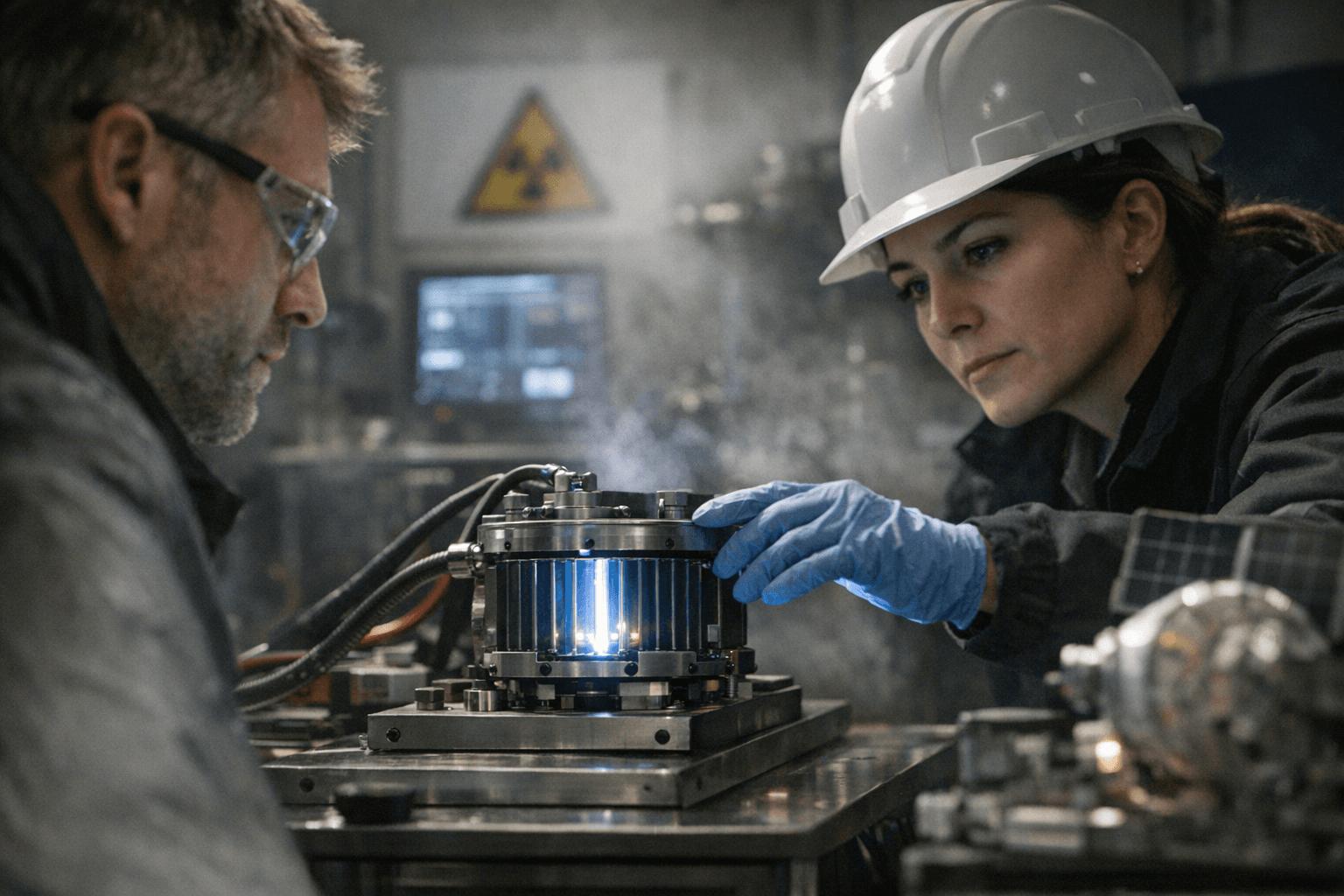
Seattle-based Avalanche Energy won a $5.2 million DARPA contract to spend the next 30 months building compact alpha-voltaic radioisotope power sources, a bid to turn nuclear decay directly into electricity for missions that cannot count on grid power, sunlight or frequent battery swaps. The award puts Robin Langtry’s team in the middle of one of the Pentagon’s sharpest bets in compact energy: whether a small, solid-state “nuclear battery” can move from lab hardware to something rugged enough for forward-deployed military systems, remote sensors and emergency gear.
DARPA’s Rads to Watts program is built around radiovoltaics, which means direct conversion of nuclear radiation into power rather than the heat-to-electricity path used by traditional radioisotope thermoelectric generators. The agency has said it is only funding experimentation and development of radiovoltaic hardware, and its FAQ makes one point especially important for anyone reading the power-density claims closely: shielding mass counts in the full system watt-per-kilogram number. DARPA also says performers can assume a stand-alone device in space, not around humans, which tells you this is still an early hardware program, not a fielded safety case.
That does not make the contract trivial. A $5.2 million DARPA award is real money for a young company, and Avalanche said the program will be U.S.-based and tied to its development facilities. The company has already raised $29 million in February 2026, led by RA Capital Management with 8090 Industries, Overlay Capital, Congruent Ventures, Founders Fund, Lowercarbon Capital and Toyota Ventures also in the round. Avalanche launched FusionWERX in Richland, Washington, in April 2025, and says the site will operate under a broad-scope radioactive materials license when fully licensed and operational.
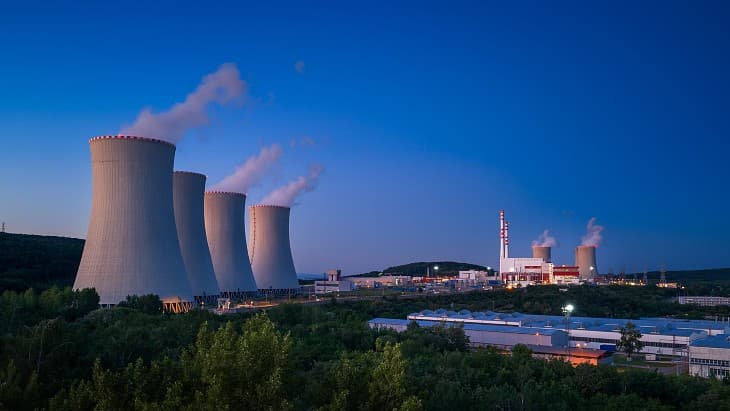
The strategic rationale is straightforward. The Department of Energy says radioisotope power systems have safely supported deep space exploration and national security missions for five decades. NASA says RPS have powered 24 missions since 1969, with Dragonfly in development, and its RTGs turn heat from plutonium-238 decay into electricity. That legacy matters because it also shows how constrained the field has been: isotope supply, licensing, shielding, heat rejection and system weight have kept these power sources niche and expensive. The NRC says it issues specific licenses for byproduct, source and special nuclear material, and 39 states now operate under Agreement State arrangements, which gives some sense of the regulatory machinery any next-generation device still has to navigate.
Avalanche is not starting from scratch. The company says it previously won a $1.25 million AFWERX contract for advanced materials work and a $10 million Washington State grant tied to FusionWERX. What DARPA bought here is a serious development runway, not an operational buy. If Avalanche can show useful conversion efficiency, real power density and credible integration strategy, the award could mark an actual step toward next-generation nuclear batteries. If not, it will look like what DARPA often does best: a disciplined hedge on a high-risk idea that may still need years of isotope, materials and licensing work before it leaves the test bench.
This article was produced by Prism’s automated news system from verified source data, official records, and press releases, then run through automated quality and moderation checks before publishing. The system is built and supervised by the people who set the standards it runs under. Read our full AI policy.
Did this article answer your question?