Bangladesh's Rooppur unit 1 nears first criticality after operating licence
Rooppur unit 1 cleared its operating licence on April 16, putting Bangladesh's first reactor on the cusp of first criticality and fuel loading.
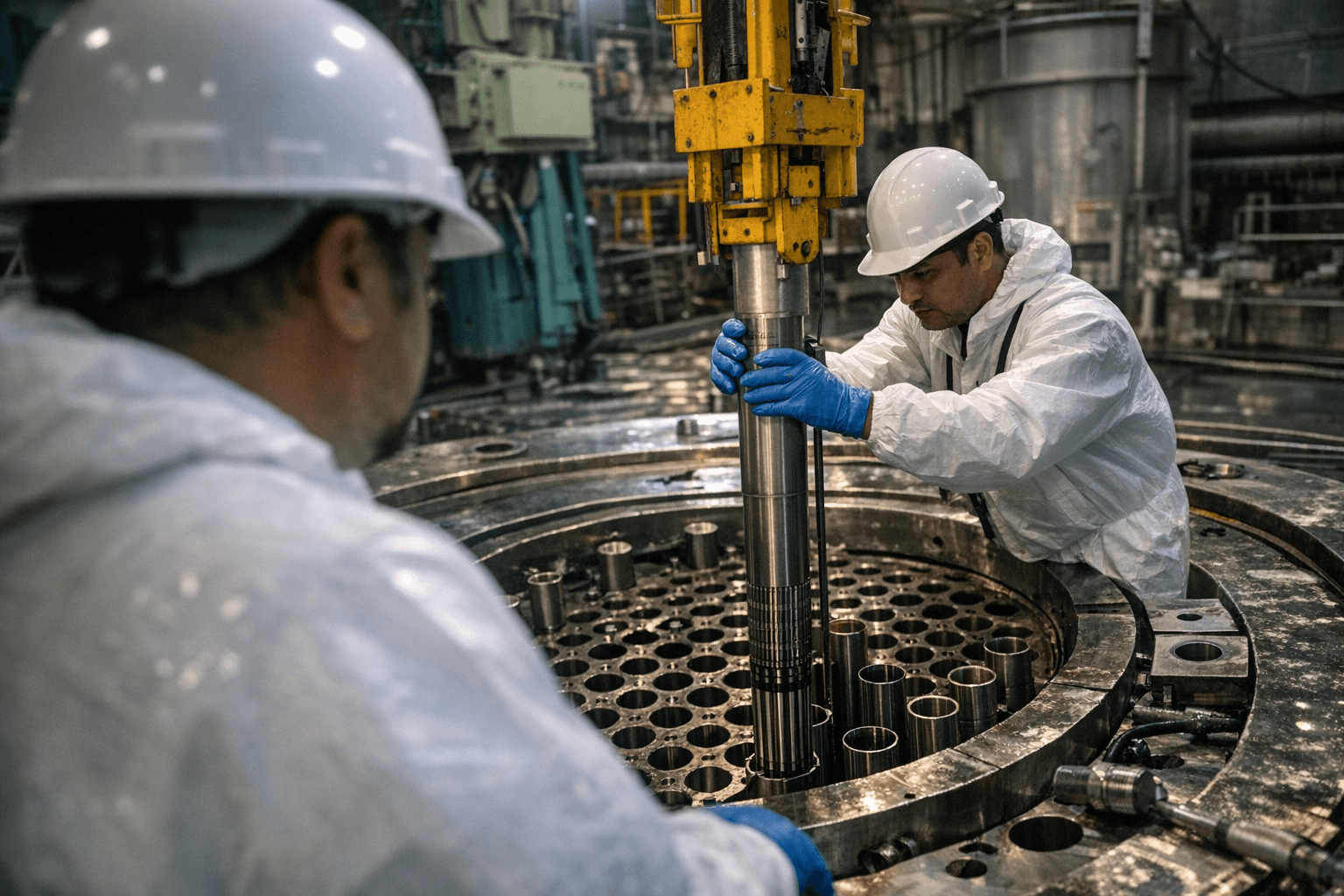
Bangladesh’s first nuclear power unit crossed the line from construction into operating-reactor territory when the Bangladesh Nuclear Regulatory Authority issued Rooppur unit 1 its operating licence on April 16. The permit clears the final regulatory gate before fuel loading, first criticality, and the staged power ascension that will end with grid connection at the Rooppur Nuclear Power Plant in Ishwardi, Pabna District.
The licence matters because Rooppur has spent years in the build-and-test phase. Rosenergoatom said inspections of the unit’s primary equipment are complete, including verification of system design characteristics after the reactor had been run at nominal parameters, removal of dummy fuel assemblies from the core, commissioning work on handling and transport equipment, dry and underwater testing of the refuelling machine, and boric acid flushing of the primary circuit. Those steps show the VVER-1200 unit has reached the end of a long staged test campaign and is ready for the last pre-operation sequence.
Alexey Deriy of Rosatom said the next step is first criticality, when 163 fuel assemblies will be loaded into the reactor core. That full core load matches the standard fuel requirement for a VVER-1200 and marks the moment the reactor becomes self-sustaining at a controlled level. After that come minimum controlled power, power start-up and, eventually, connection to Bangladesh’s grid.
Bangladeshi reporting has put fuel loading at April 28, with trial electricity supply expected by the end of July or in the first week of August. bdnews24 has also reported that the first unit is expected to begin operating in the first half of 2027. For Bangladesh, that timeline is the bridge from a flagship infrastructure project to an asset that can actually firm supply, support grid stability and reduce exposure to imported fossil fuels in a power system that has long faced tight margins.
Rooppur’s path also follows the familiar newcomer-country playbook: a long lead time, a first site licence in June 2016, construction of unit 1 beginning in November 2017, and first fuel delivery in October 2023, which gave the site formal nuclear-facility status. Rosatom and Bangladesh first agreed to the project in February 2011, and the initial contract, signed in December 2015, was worth $12.65 billion. Unit 1 and unit 2 are both Russian-designed VVER-1200 reactors with a 60-year design life and the possibility of a 20-year extension.
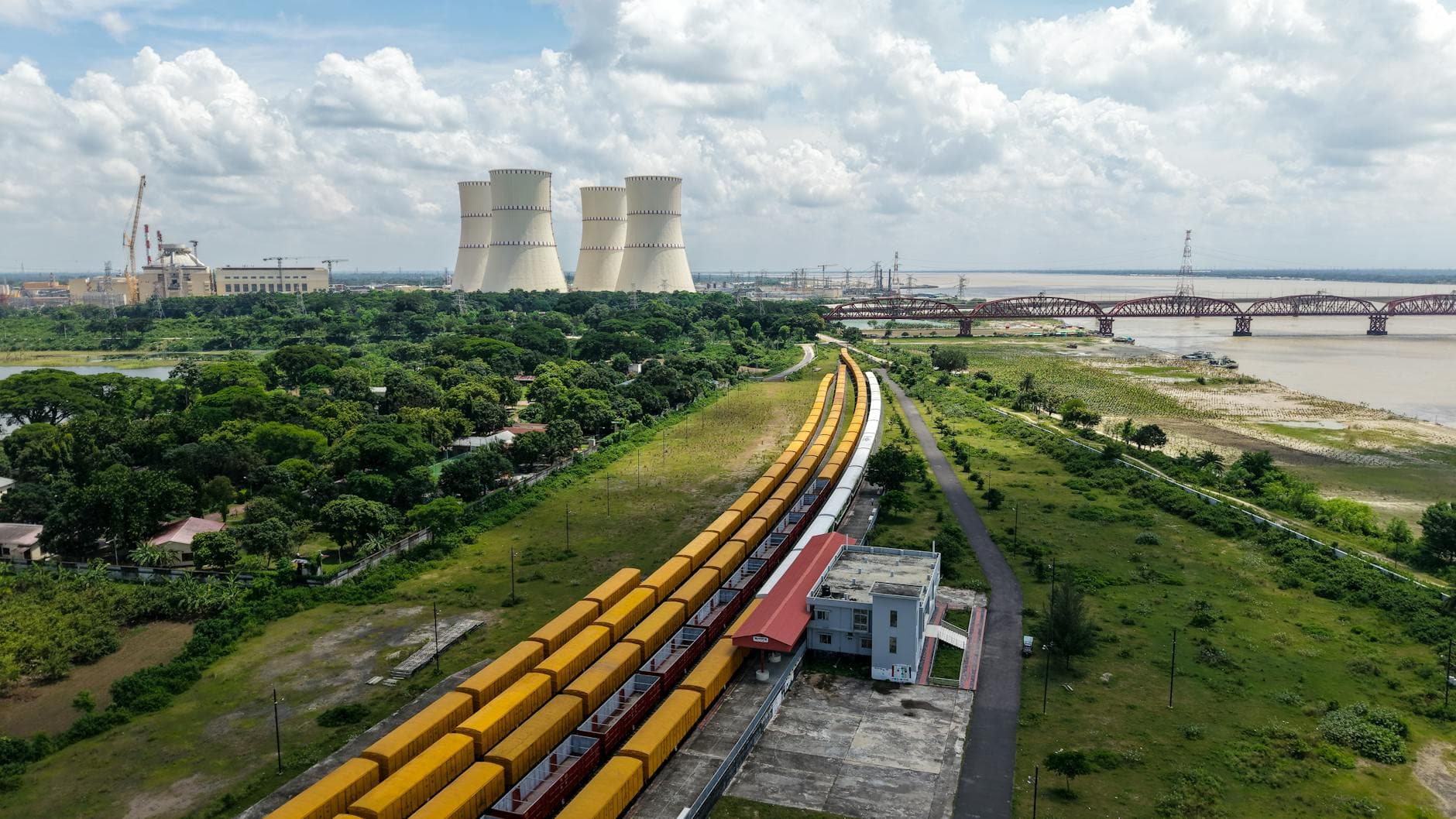
The International Atomic Energy Agency said last year that a Pre-Operational Safety Review Team mission found the operator committed to improving operational safety, while encouraging stronger fire prevention, response arrangements and supervision of plant operations. The fuel for the first load was manufactured at Rosatom’s Novosibirsk Chemical Concentrates Plant in Russia, underscoring how Rooppur’s first criticality is not just a technical milestone, but a test of how a new nuclear nation brings an imported reactor model into commercial service.
This article was produced by Prism’s automated news system from verified source data, official records, and press releases, then run through automated quality and moderation checks before publishing. The system is built and supervised by the people who set the standards it runs under. Read our full AI policy.
Did this article answer your question?


