Bulgaria Opens National Nuclear Waste Repository Near Kozloduy Plant
Bulgaria opened a 66-structure waste repository near Kozloduy, a 60-year site for 19,000 containers that fills a major gap in reactor planning.
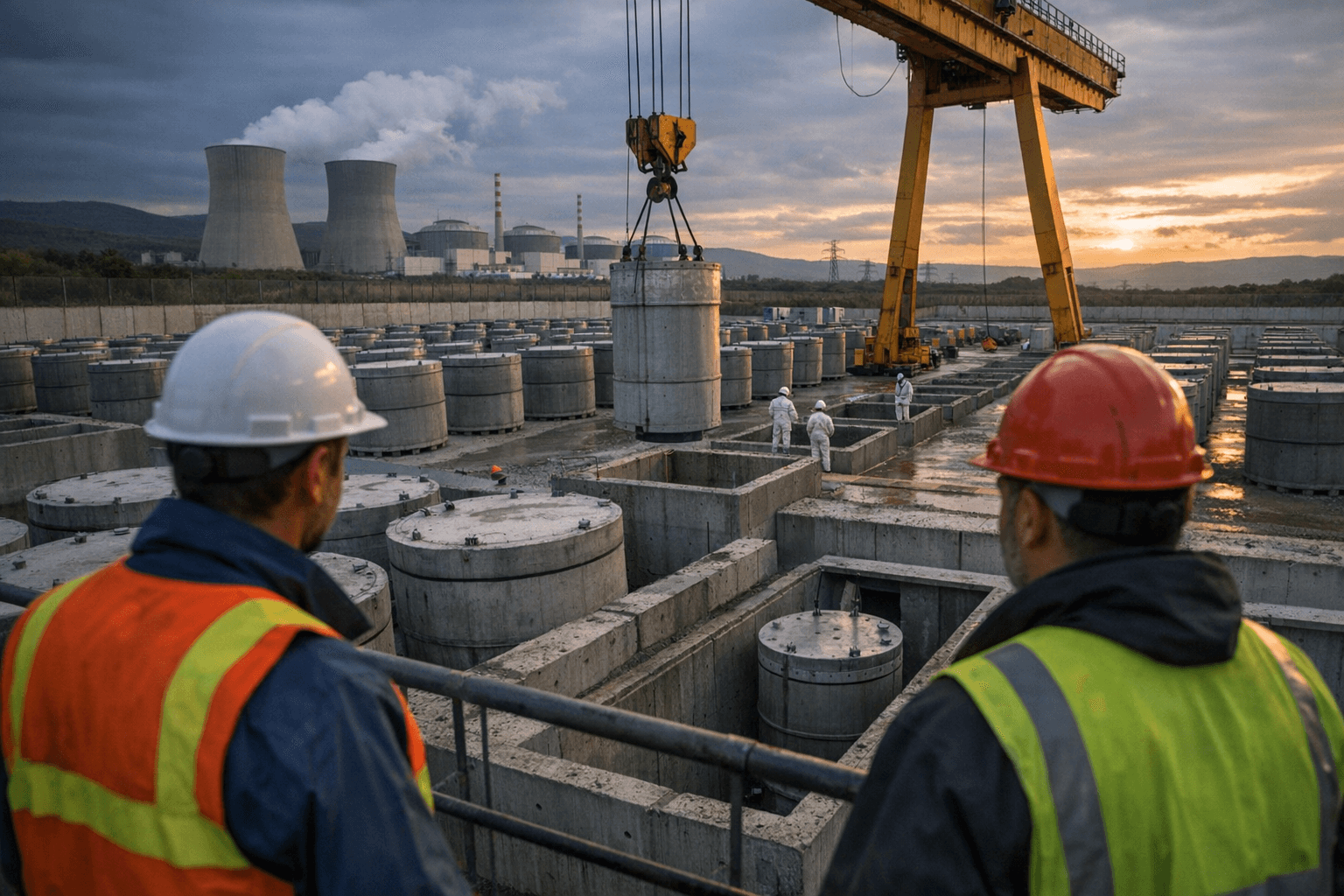
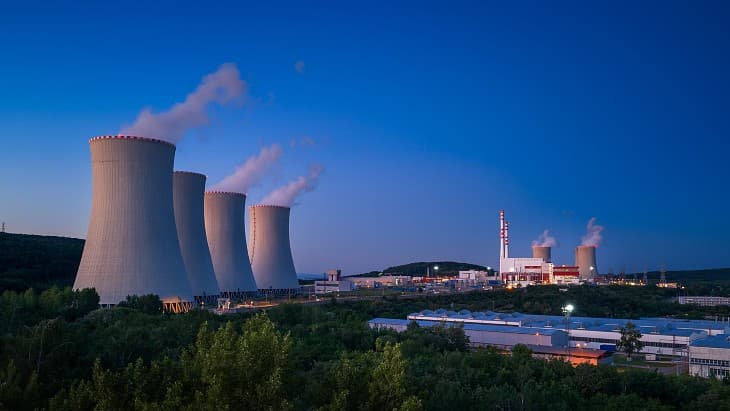
Bulgaria has finally put a national home in place for the low- and intermediate-level radioactive waste that has long complicated the Kozloduy program. The new repository at the Radiana site near the Kozloduy nuclear power station opened on April 14, 2026, giving the country a dedicated disposal path for material from current operations, medical and industrial uses, and the long-running decommissioning work tied to Kozloduy Units 1 through 4.
Caretaker Energy Minister Traicho Traikov inaugurated the facility, which officials described as one of the most modern of its kind in Europe. The site is designed to handle only Bulgaria’s own waste. It will not accept spent nuclear fuel or high-level radioactive waste, drawing a clear line between this repository and the more demanding back-end systems that remain outside its scope.
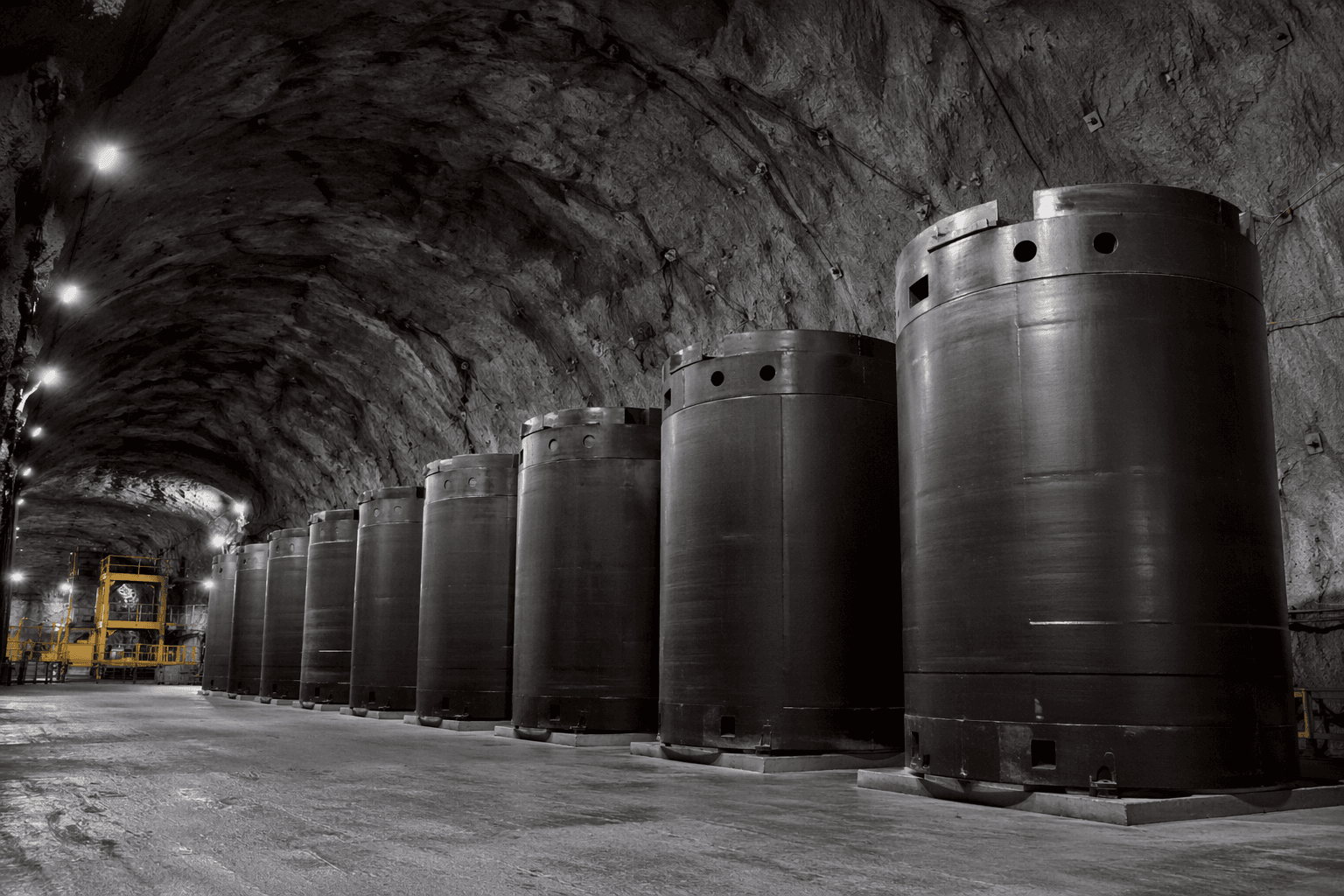
The technical scale is significant. BTA reported that the repository includes 66 reinforced-concrete structures with capacity for 19,000 radioactive-waste containers. A separate technical description said the first phase alone consists of 22 disposal cells built to hold 6,336 containers, underscoring that the project was completed in stages. Officials say the facility is expected to operate for about 60 years, after which it will be closed and kept under institutional control for at least another 300 years.
The money behind the project reflects how long Bulgaria has worked toward this point. Construction was financed with about EUR 76 million from the International Kozloduy Fund through the European Bank for Reconstruction and Development, along with about 34 million leva in national co-financing. The project itself dates back to a 2005 government decision, and it only cleared one of its major legal hurdles in 2019, when the Supreme Administrative Court rejected appeals against the environmental assessment.
That long lead-up helps explain why the opening matters beyond the fence line at Kozloduy. Bulgarian officials have tied the repository to the decommissioning burden from the first four units and to the country’s longer-term nuclear plans, including the lifetime extension of Units 5 and 6 and the planned addition of Units 7 and 8 with AP1000 technology. With waste infrastructure now moving into service, Bulgaria has taken a practical step toward closing the back end of its nuclear cycle, even as a 2025 audit by the Bulgarian National Audit Office flagged serious deficiencies in earlier management and construction of the project.
This article was produced by Prism’s automated news system from verified source data, official records, and press releases, then run through automated quality and moderation checks before publishing. The system is built and supervised by the people who set the standards it runs under. Read our full AI policy.
Did this article answer your question?