Sweden Plans Majority Stake in Ringhals Nuclear Project, Shares Waste Costs
Sweden moved to take 60% of Videberg Kraft AB and share waste costs, bringing a 1,500 MW Ringhals build closer to a 2026 supplier decision.
_80776.jpg&w=1920&q=75)
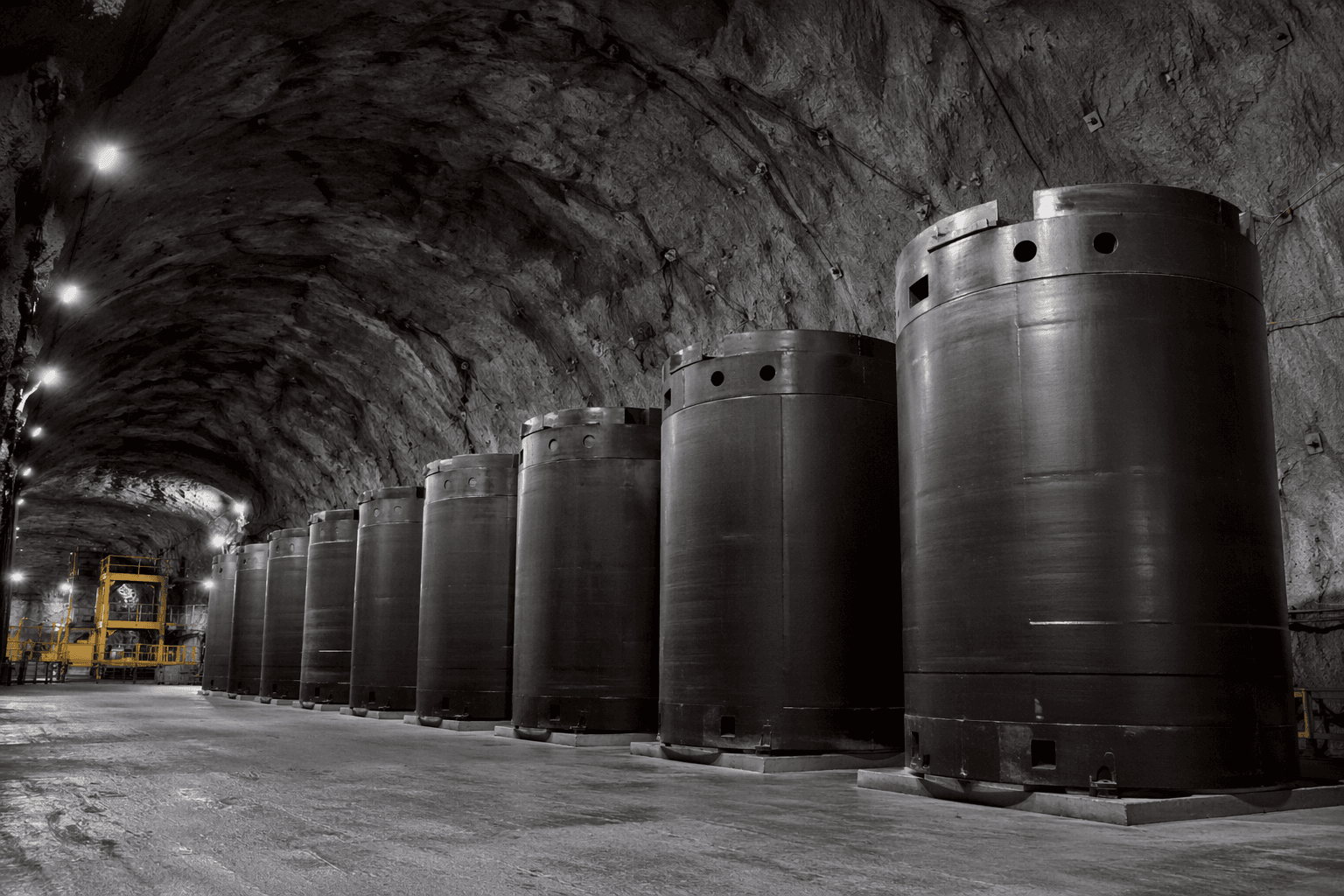
Sweden moved to put the state at the center of its next nuclear build, saying it would take a majority stake in Videberg Kraft AB and join the financing of the future system for radioactive waste and used nuclear fuel. The shift matters because it changes who carries the early risk: instead of asking private investors to shoulder the first, most uncertain steps alone, Stockholm is stepping in as an owner and financier of the back end as well.
The plan was folded into the 2026 spring budget package, with the government saying the goal was to reduce the risk borne by the first investors in new nuclear while keeping waste producers responsible for their share of the costs. In the proposal, the state was set to become the largest owner of Videberg Kraft, with a 60% stake, turning the Ringhals project into a public-private venture in a much more direct sense than before.
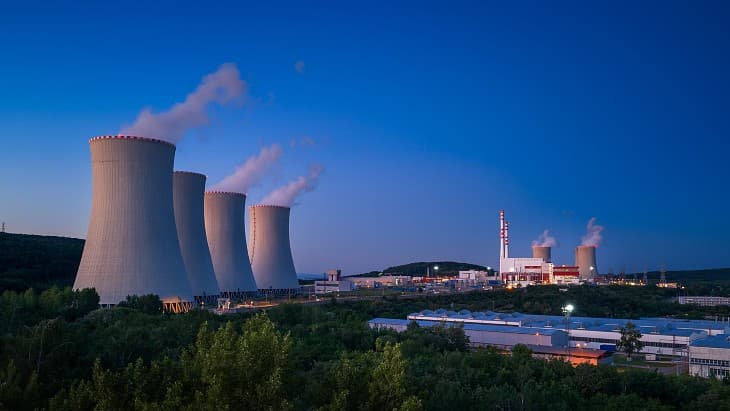
Videberg Kraft AB is the development company behind a planned new-build project at Ringhals on the Värö peninsula in southwest Sweden. Vattenfall said the project was weighing two remaining supplier options: five GE Vernova Hitachi BWRX-300 small modular reactors or three Rolls-Royce SMR reactors. The project is designed for about 1,500 MW, and Vattenfall said a final supplier decision was planned for 2026.
The company was created as a separate vehicle because that structure was a prerequisite for applying for state support. Vattenfall also said the project company was preparing its investment-aid application with state risk-sharing in mind, and the government said it had already received the first application for state aid for new nuclear from Videberg Kraft AB, backed by Vattenfall and companies in Industrikraft i Sverige AB.
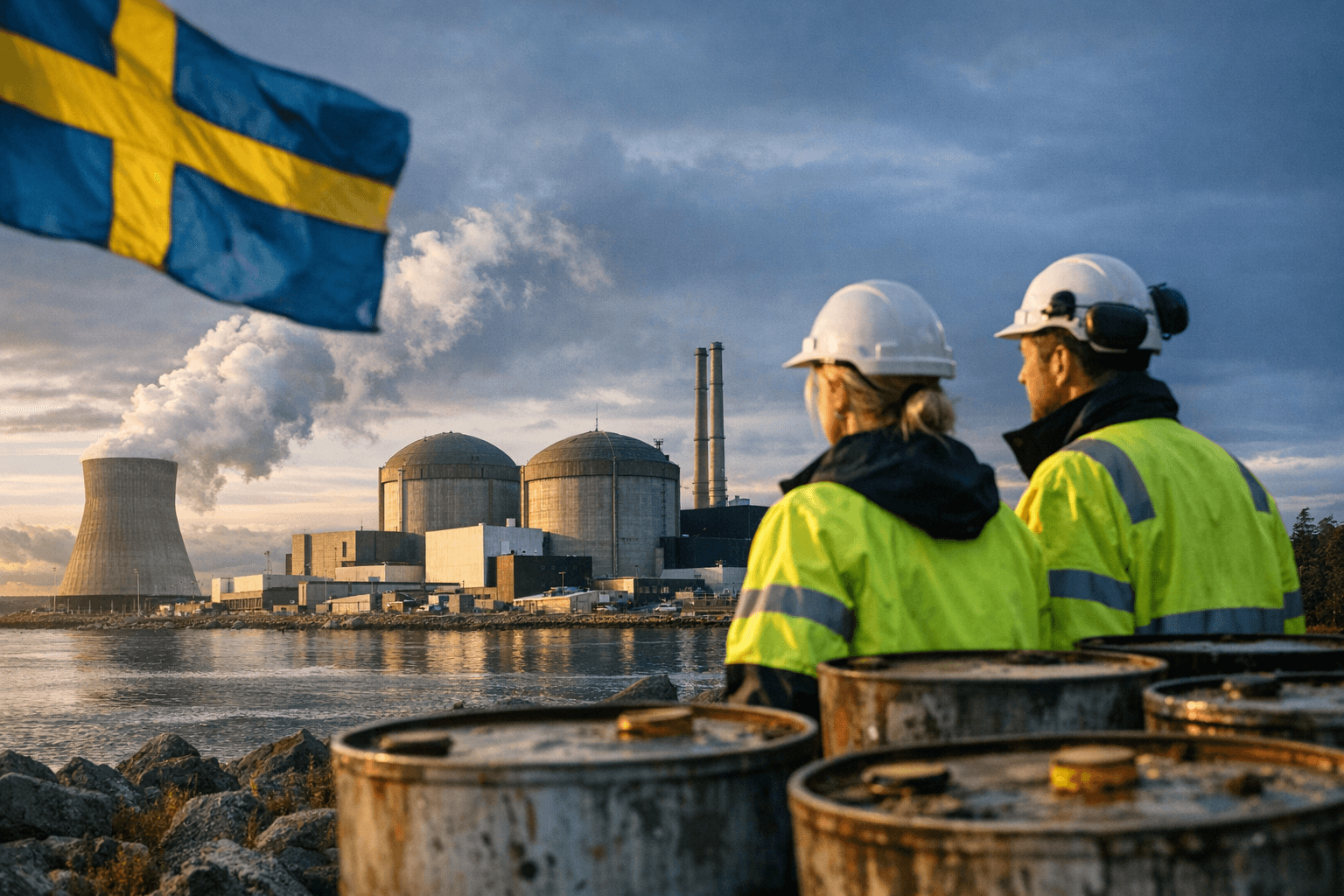
That industrial backing gives the project a wider footprint than a single utility bet. Industrikraft’s members include ABB, Alfa Laval, Boliden, Hitachi Energy, Höganäs, SSAB, Saab, Stora Enso and Volvo Group, underscoring how the Ringhals plan has been framed as core infrastructure for industry as much as a power project. Sweden’s parliament approved the government’s new nuclear support framework in May 2025, clearing the way for the financing model to move from policy into execution.
The broader buildout picture may be larger still. Earlier framework work said the model should enable at least 2,500 MW of new nuclear capacity, and Vattenfall has also said it is exploring the possibility of another 1,000 MW on adjacent Ringhals land where Ringhals 1 and 2 are now located. If the state-owned stake and waste-financing role hold, Sweden will have done more than endorse new nuclear in principle. It will have shown a template for getting first-of-a-kind reactors off the page and onto a site that already carries the country’s nuclear history.
This article was produced by Prism’s automated news system from verified source data, official records, and press releases, then run through automated quality and moderation checks before publishing. The system is built and supervised by the people who set the standards it runs under. Read our full AI policy.
Did this article answer your question?