Bulgaria's New Kozloduy Reactors Could Generate €55 Billion for Economy
Two new reactors at Bulgaria's Kozloduy plant could generate €55 billion in economic value over 60 years, with a final investment decision targeted for 2026.
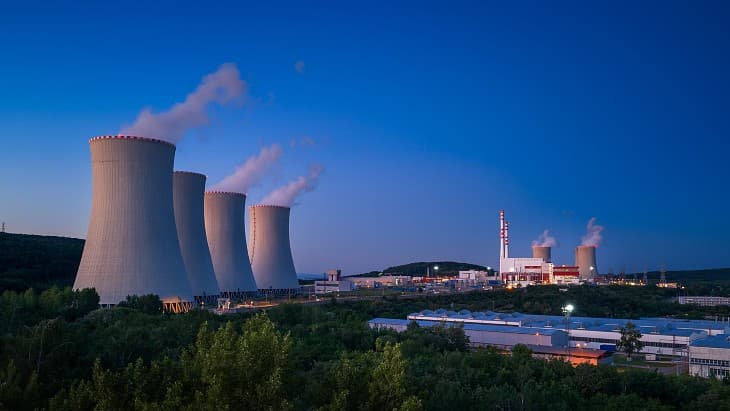
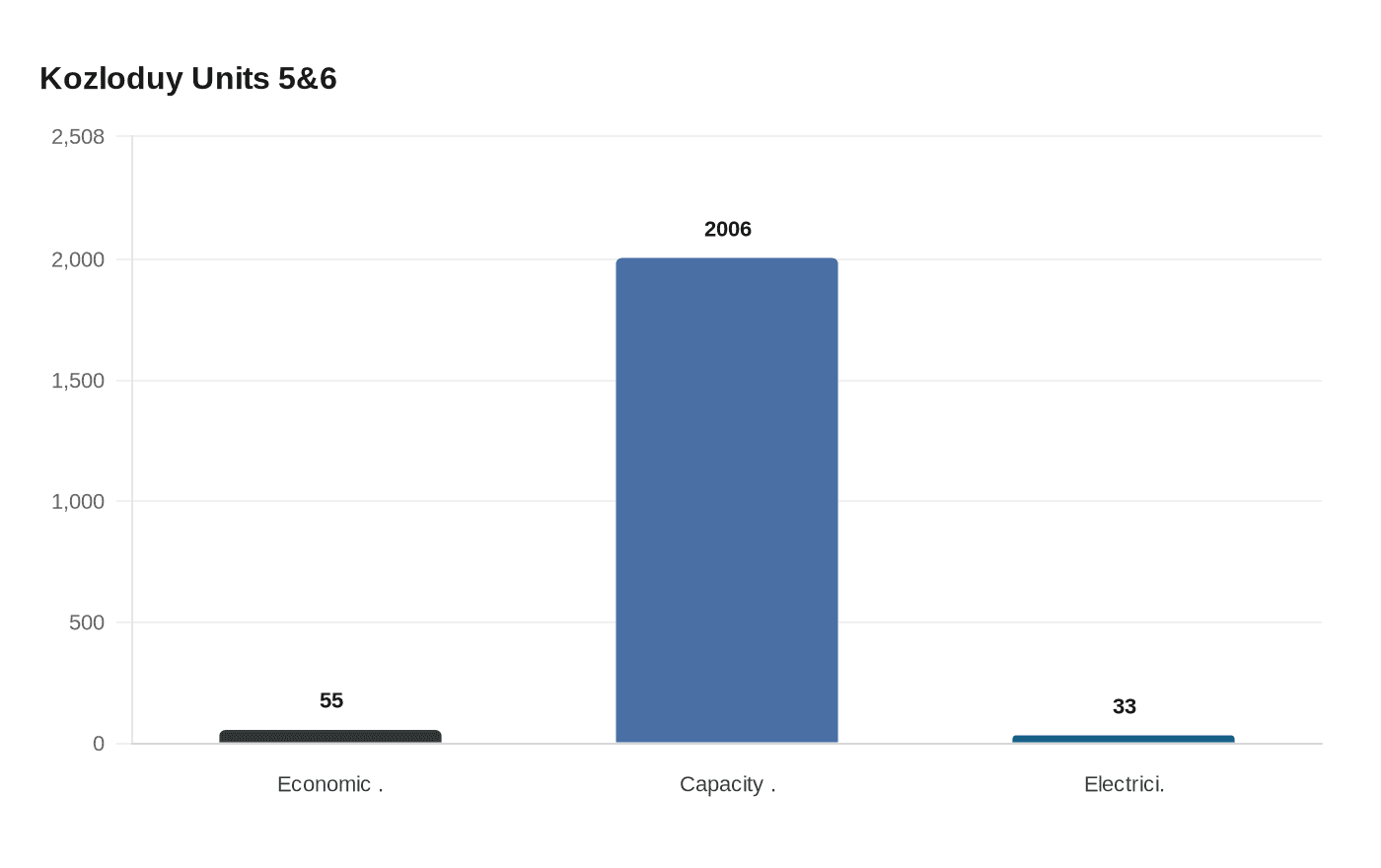
Two new reactor units at Bulgaria's Kozloduy nuclear power station could generate more than €55 billion ($63 billion) in economic value over a lifetime of at least 60 years, according to an economic analysis presented by project developers on March 12, 2026.
The figures were put forward by NPP Kozloduy New Builds Plc, the company overseeing the planned addition of Units 7 and 8 to the Danube River site. Petyo Ivanov, identified in project materials variously as CEO and Executive Director of the company, had appeared at the Regional Energy Summit in Sofia just two days earlier, on March 10, and has been a consistent public voice for the project. At a separate Sofia symposium, Ivanov told buyers that "the parties need to outline their specific roles for the project to advance towards a final investment decision in 2026."
That FID has not yet been formally confirmed. The Bulgarian government has stated it expects the decision on new units at Kozloduy in the near term, and the project team is actively developing an investment opportunity for potential European and international backers. Reports suggest the financing structure will rely on export credit agency loans, though specific agencies and terms have not been publicly named.
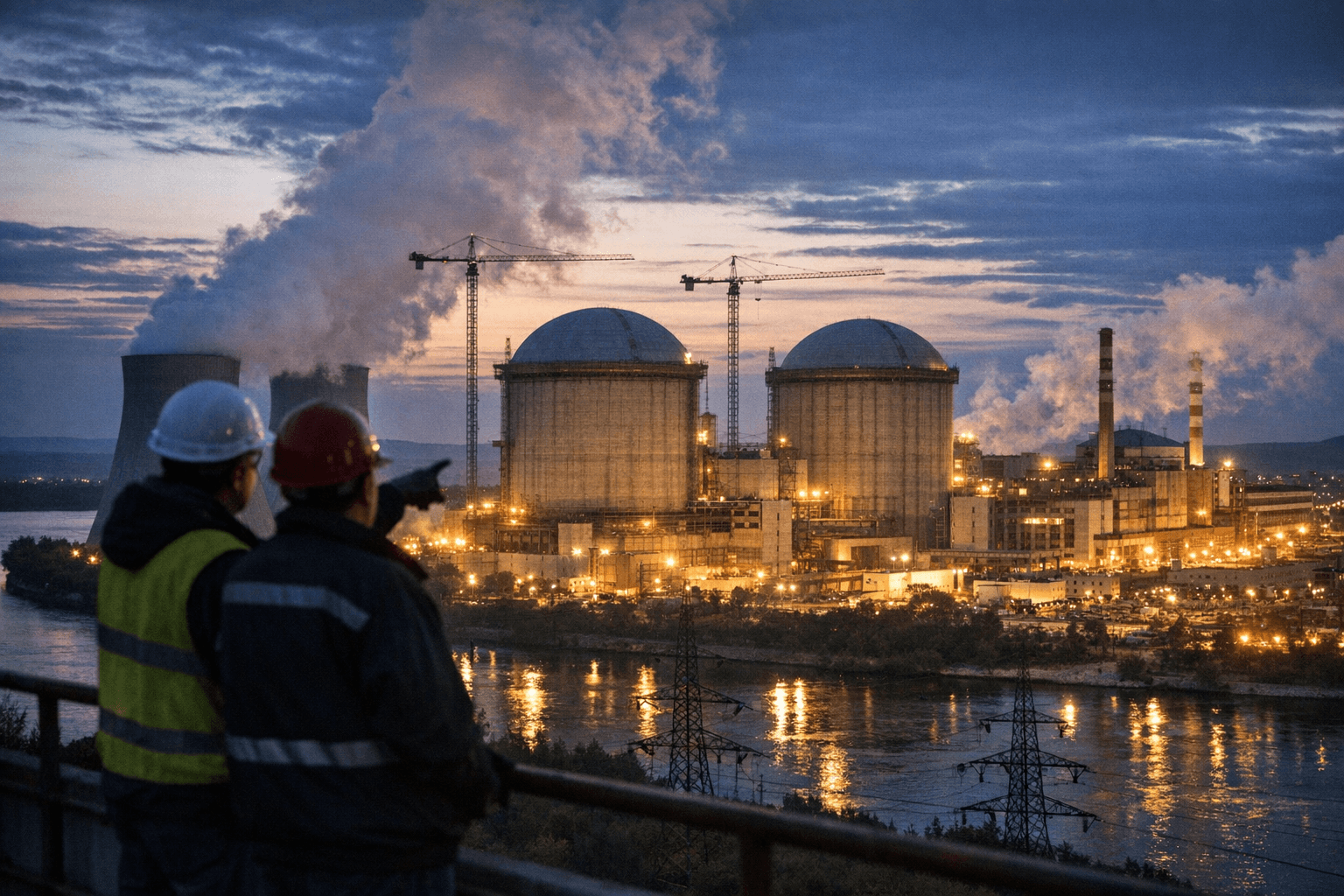
The project already has significant industrial partnerships in place. In November 2024, NPP Kozloduy New Builds Plc signed an engineering and procurement contract with Westinghouse and Hyundai Engineering & Construction, a step that enabled development planning to formally begin and the permitting process to advance.
Kozloduy's existing Units 5 and 6, both VVER-1000 reactors with a combined net capacity of 2,006 MWe, currently supply around one-third of Bulgaria's total electricity. The planned Units 7 and 8 would significantly expand that footprint, and their addition has been framed in policy terms as a matter of national and regional security. In April 2024, a caretaker energy minister described the construction of new units at Kozloduy as "of strategic importance both for Bulgaria's and the region's energy security and for achieving the decarbonization goals."
The project sits within a broader push by Bulgaria to diversify and expand its nuclear capacity through multiple tracks. A memorandum of understanding signed in February 2021 between NuScale and the Kozloduy plant set out a framework for studying small modular reactor deployment within the existing site. The U.S. Trade and Development Agency subsequently signed a separate grant agreement with state-owned Bulgaria Energy Holding to fund a detailed technical analysis of U.S.-sourced SMR design options. In February 2024, Bulgaria and France signed a declaration of intent to analyse both large reactor and SMR projects on Bulgarian soil.
Kozloduy's history as Southeast Europe's first nuclear power plant stretches back to an agreement signed with the Soviet Union in 1966, with ground broken on October 14, 1969. Decades of periodic expansion discussions followed, including a 2012 government decision to pursue a new 1,000 MW reactor at Kozloduy using a unit Atomstroyexport had already produced for the since-cancelled Belene project. Units 7 and 8 represent the most concrete attempt yet to move that long-running ambition from planning into steel and concrete.
This article was produced by Prism’s automated news system from verified source data, official records, and press releases, then run through automated quality and moderation checks before publishing. The system is built and supervised by the people who set the standards it runs under. Read our full AI policy.
Did this article answer your question?