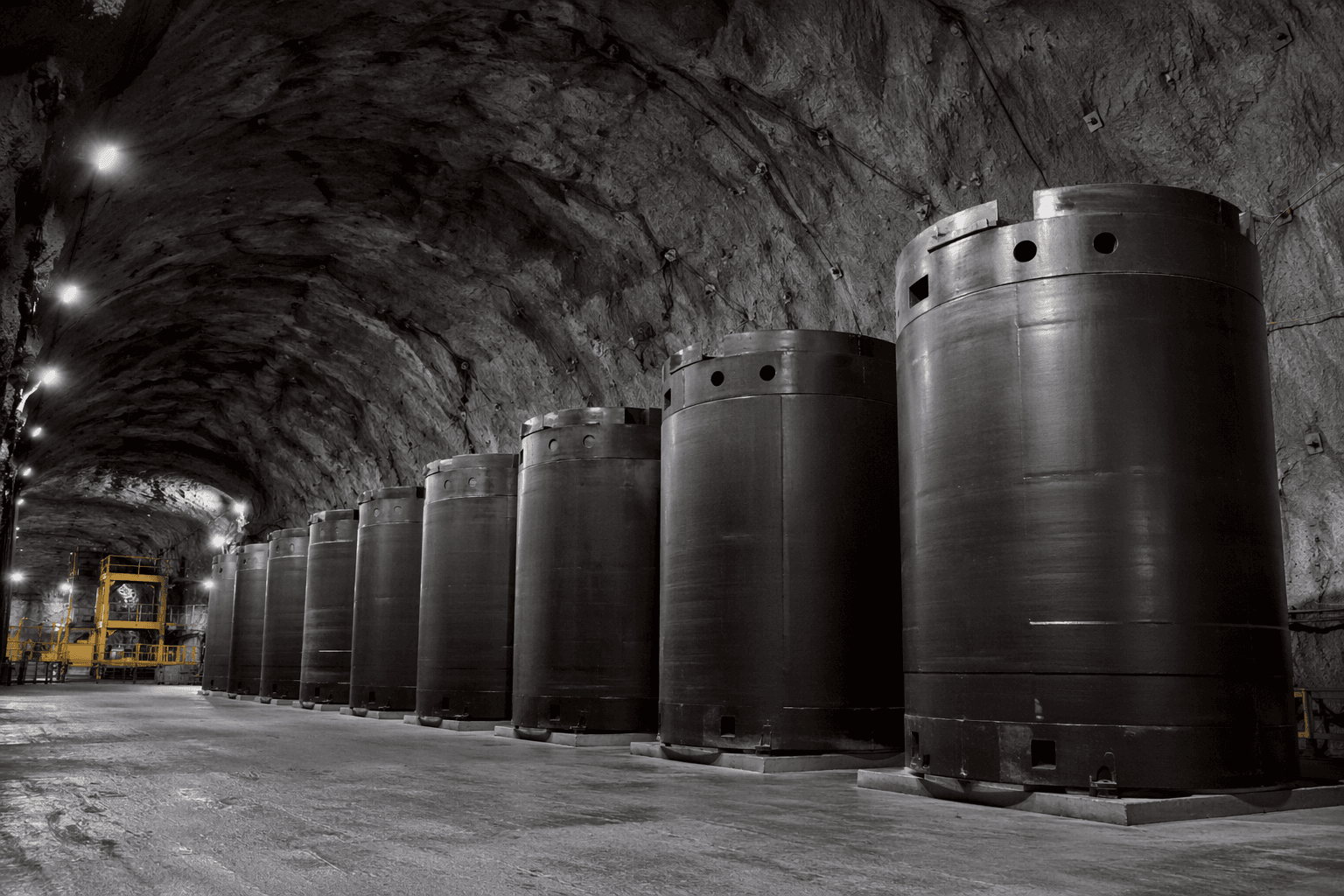
BWX Technologies Releases Q&A, Engages Community Over Planned High-Purity Depleted Uranium Facility
BWX Technologies released a second community Q&A and met “hundreds” in Jonesborough as it pursues a 10-year, $1.6 billion NNSA contract to build an HPDU plant near Little Limestone Creek.
BWX Technologies released a second, detailed community Q&A and answered public questions at an open forum in Jonesborough as the company moves to build a high-purity depleted uranium (HPDU) manufacturing facility tied to a 10-year, $1.6 billion contract from the Department of Energy’s National Nuclear Security Administration. Local reporting shows BWXT officials met with “hundreds of people” at the Jonesborough Visitors Center and pushed a schedule that would see HPDU production begin in Summer of 2026.
Greeneville Sun coverage and photos by Nelson Morais documented a large turnout at the forum, with attendees spending about an hour in the Visitors Center parking lot signing a petition and buying T-shirts opposing rezoning. The paper named Barbara O’Neal of the Erwin Citizens Awareness Network as one community voice who raised concerns directly with company officials, and photo captions captured protest imagery including a Grinch-costumed demonstrator in the Limestone Creek area.
Rezoning remains a flashpoint. Greeneville Sun reported a BWXT application described as rezoning 120 of 160 acres from agricultural to M-2 high-impact industrial use, while BWXT’s own Q&A text says the company plans to “rezone an additional 55 acres of BWXT-owned property to industrial for a new HPDU facility to fulfill the DOE/NNSA contract.” Washington County Commission action on BWXT’s rezoning request was moved to a March 23 meeting, according to local aggregator reporting; city and county records would be required to reconcile the differing acreage figures.
BWXT’s public materials and trade-press coverage present conflicting production figures. BWXT’s press-release coverage cited by Defense CBRN Contracts says the company will produce “up to 300 metric tons of HPDU annually” at its Jonesborough site under the contract, while BWXT corporate content and an Asdnews write-up state, “BWXT is constructing facilities now that will have the capability of producing up to 20 metric tons of high purity depleted uranium to fulfill a previous contract with the NNSA. This facility is located in the current industrial-zoned area of the site. We anticipate production of HPDU to begin at this facility in Summer of 2026.” The source materials do not explain whether 20 metric tons and 300 metric tons refer to different phases, separate facilities, or separate contracts.

Company officials framed safety and community benefits in the Q&A. BWXT said it will “emphasize engineered environmental controls and solid waste management to prevent additional liquid discharges into local waterways from the HPDU processes,” and pledged to “ensure that an adequate distance is maintained from the new processes to our property boundaries and that no production facilities will be located within the 500-year, Little Limestone Creek flood plain.” The corporate Q&A also described community programs under the heading “BWXT: Deep Ties to Our Communities” and asserted the “main benefits are strengthening national security while boosting local employment.”
On the ground, WJHL’s reporting captured company Tennessee president Ron Dailey at the site standing on a thawing hilltop above Little Limestone Creek with BWXT’s depleted uranium metal production facility across the valley; Dailey told residents that “the current technology is certainly different than what was done…in the mid-80s” and reminded the audience that NNSA oversight is part of the program. Local feed reporting also quoted Dailey as saying that if the county denies rezoning, BWXT would “squeeze what will become the nation’s only HPDU production site in with the rest of their buildings across the valley.”
Key discrepancies remain in the public record: the available BWXT and press materials contain both a 20 metric ton capability statement and a 300 metric ton annual figure, and rezoning descriptions range from “an additional 55 acres” to “120 of its 160 acres.” The Washington County Commission is scheduled to consider the rezoning at the March 23 meeting, and BWXT’s materials say initial construction activities for the NNSA 10-year HPDU production contract will begin in the coming months in the current industrial-zoned area.
This article was produced by Prism’s automated news system from verified source data, official records, and press releases, then run through automated quality and moderation checks before publishing. The system is built and supervised by the people who set the standards it runs under. Read our full AI policy.
Did this article answer your question?