California Revisits 1976 Nuclear Moratorium, Seeks Exemptions as AI Surges
Assemblymember Lisa Calderon filed legislation on March 2, 2026 to carve exemptions from California’s 1976 nuclear moratorium, citing AI‑driven power spikes and the state’s 90% by 2035 and 100% by 2045 clean‑energy targets.
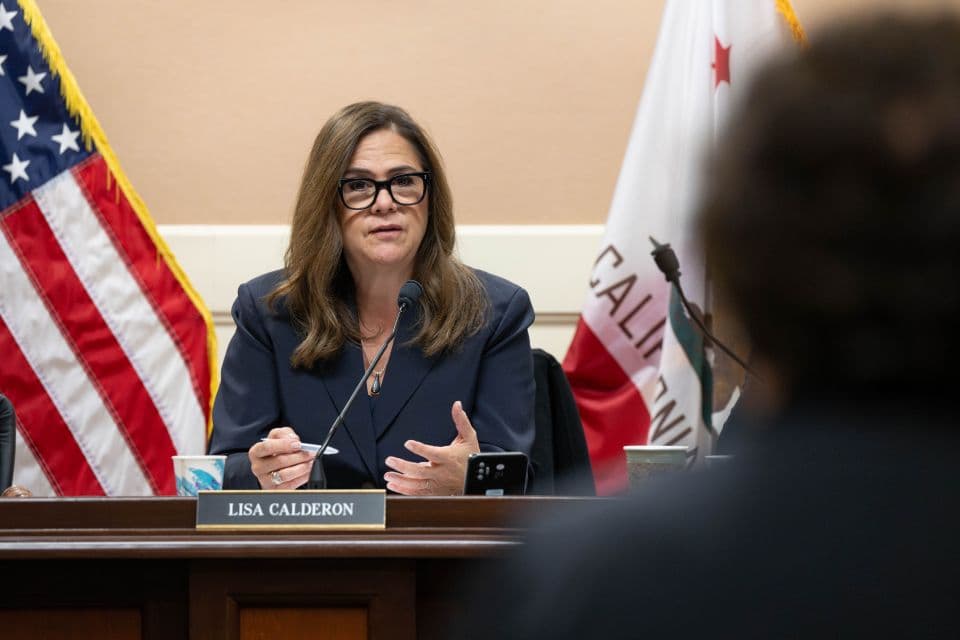
Assemblymember Lisa Calderon introduced legislation on March 2, 2026 that would allow California to approve deployment of next‑generation nuclear technologies that have been federally licensed since 2005. Calderon framed the proposal around the state’s clean electricity goals and rising demand, saying, “With California having energy goals such as having 90% clean electricity by 2035, and 100% clean energy by 2045, nuclear energy is a source that must be considered.”
Sponsors point to a specific pressure point: artificial intelligence and expanding data centers, which proponents say are spiking electricity demand across the state. The proposal would create a narrow carve‑out from the moratorium that dates to 1976, a law described in reporting as both 49‑ and 50‑year‑old depending on timing, to permit advanced small reactors and other designs already licensed at the federal level.
The push in Sacramento arrives amid broader national momentum. The Trump administration committed $80 billion to support nuclear industry initiatives, and investors have poured billions into companies developing small modular reactors on the promise they can be built more cheaply and faster than conventional plants. Pro‑nuclear groups such as the Good Energy Collective say bills easing limits have been proposed in three other states, while counts in recent reporting show five states lifted prohibitions in the past decade and 11 states still restrict nuclear development.
Local and institutional realities complicate the political argument. Diablo Canyon, Pacific Gas & Electric Co.’s plant near Avila Beach on the Central Coast, remains California’s last operating nuclear station, and PG&E has said it is prepared for the possibility of Diablo Canyon staying open longer. Ralph Cavanagh, who helped negotiate the original agreement to close Diablo Canyon and serves as a director in the Natural Resources Defense Council’s clean energy program, cautioned that lifting the moratorium “doesn’t necessarily mean new nuclear plants will be built in the state.”

Opposition voices are already vocal. Rochelle Becker, board president of the Alliance for Nuclear Responsibility, said, “We can meet our environmental goals without any new nuclear plants but I think there are certain people that need the power for their AI projections and their data centers.” Critics also point to well‑known technical and regulatory hurdles: new reactors remain expensive to build and maintain, radioactive waste disposal is time‑intensive, staffing and oversight requirements are substantial, and projects would need federal Nuclear Regulatory Commission licensing plus approvals from multiple California agencies, exposing proposals to anticipated lawsuits and lengthy review.
Even proponents describe the change as symbolic as much as practical. Charles Oppenheimer, founder of the Oppenheimer Project, said, “California’s late to the party but symbols count and as California goes, so goes the world.” Analysts warn that, under current timelines and regulatory realities, it could be at least a decade or more before costly advanced nuclear technologies are deployed at any scale in California. The 2025–26 legislative session will be instructive in showing whether lawmakers convert that symbolism into a slow, methodical pathway toward permitting and siting new reactors.
Know something we missed? Have a correction or additional information?
Submit a Tip

