Canada Renews $13.5M Neutron Beam Funding, McMaster to Lead Expansion
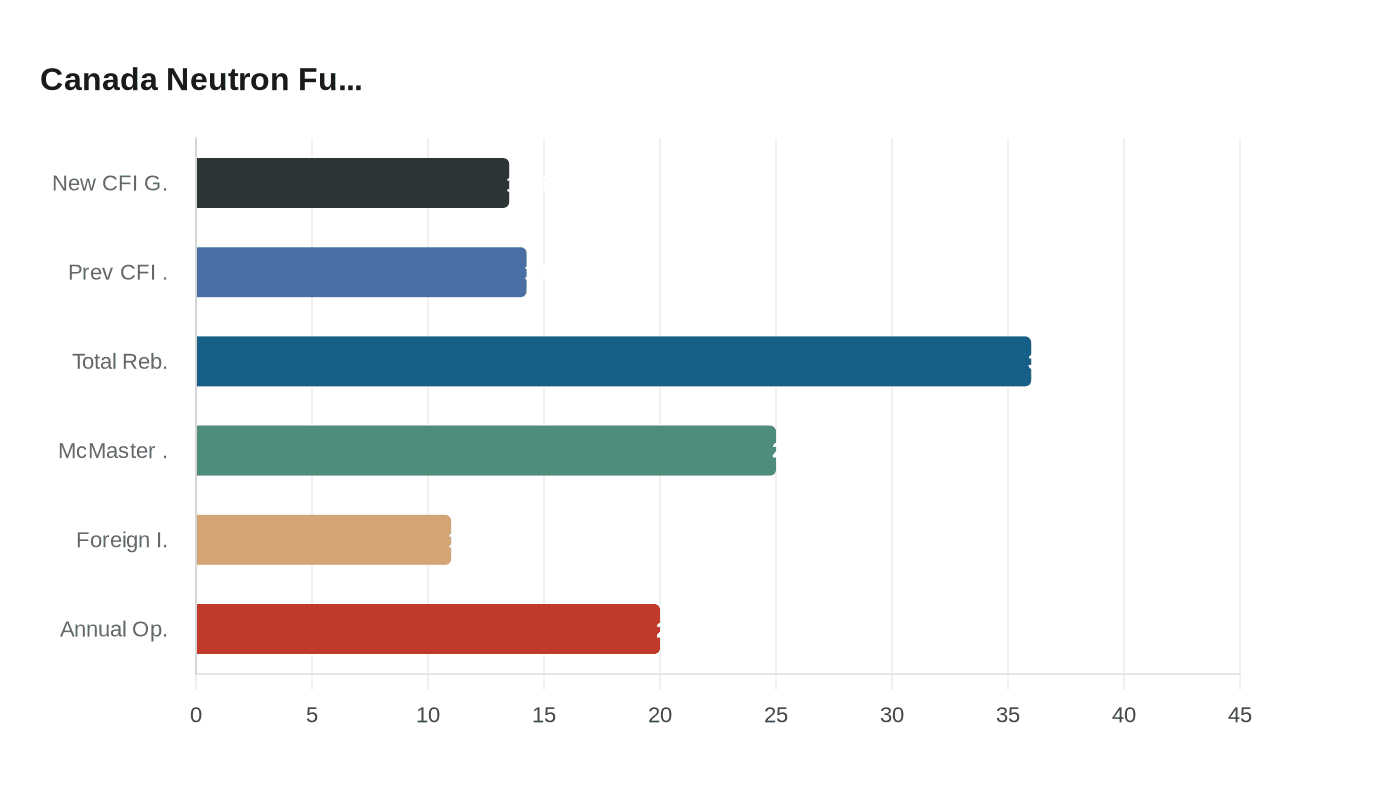
McMaster physicists Bruce Gaulin and Pat Clancy secured $13.5M in renewed CFI funding to expand Canada's neutron beam program, which nearly collapsed when Chalk River's NRU reactor closed in 2018.
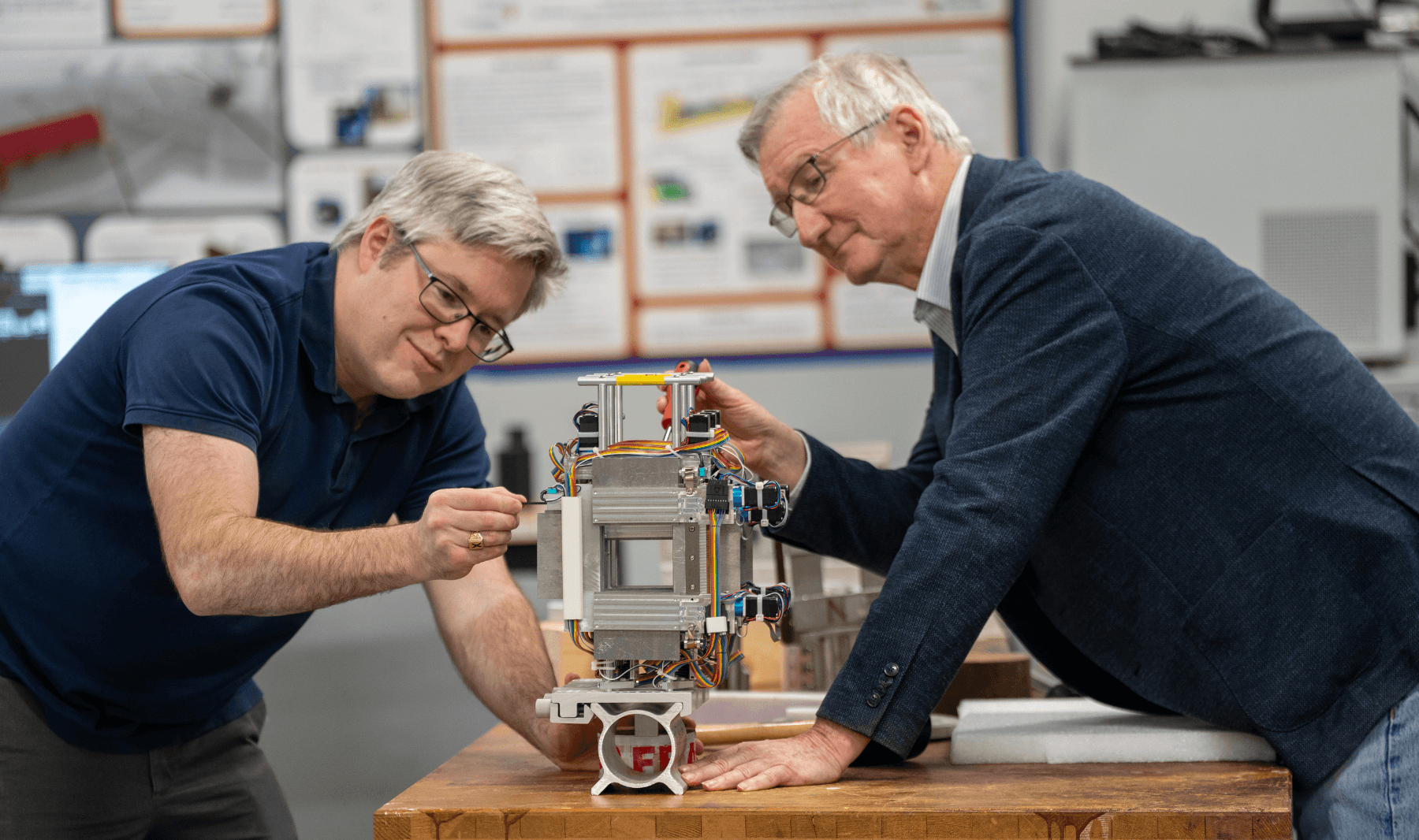
McMaster University physicists Bruce Gaulin and Pat Clancy are leading a renewed national push to cement Canada's neutron beam research capacity, backed by $13.5 million in fresh federal support from the Canadian Foundation for Innovation announced March 13, 2026.
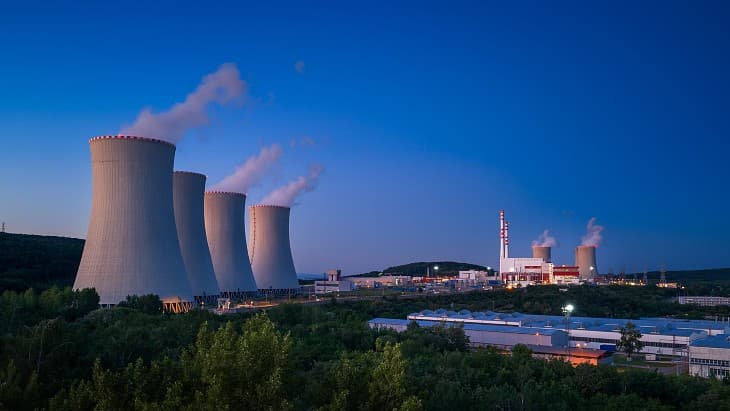
The funding builds on a previous $14.25 million CFI investment that Gaulin secured to begin rebuilding the program after Canada's neutron beam capability nearly disappeared entirely. The National Research Universal reactor at Chalk River Laboratories in the Ottawa Valley closed in March 2018, putting a program that had supported more than 800 scientists, engineers, and students at dozens of Canadian universities on the verge of collapse.
"The investments are a boon for scientists, engineers and all Canadians," said Gaulin, Distinguished University Professor and Brockhouse Chair in the Physics of Materials at McMaster.
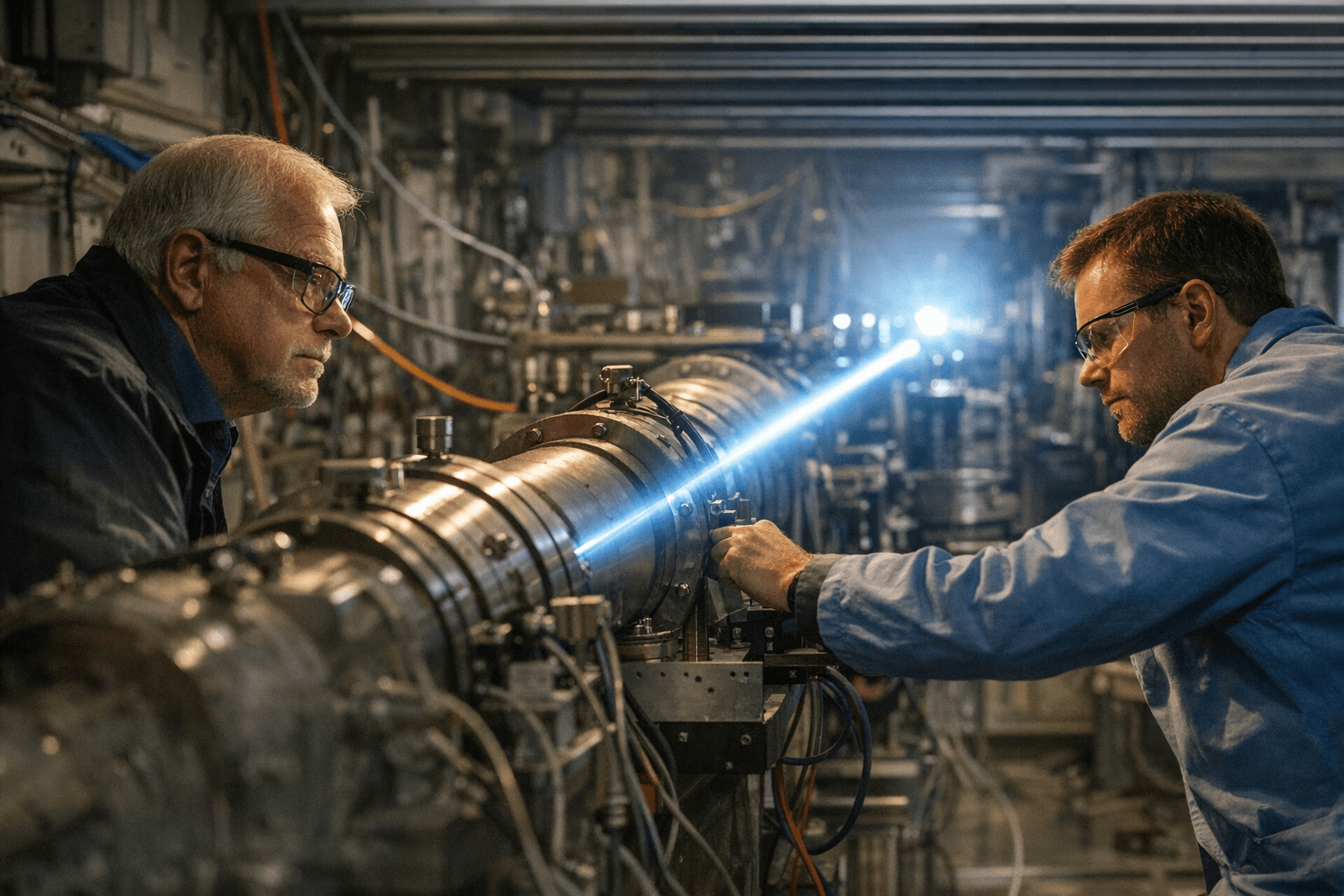
The new CFI support continues work already underway through the earlier McMaster-led CFI 2020 Innovation Fund award, "Building a Future for Canadian Neutron Scattering," which directed $36 million toward rebuilding national neutron infrastructure. That award, backed by 17 universities, allocated $25 million to develop the Canadian Neutron Beam Laboratory at the McMaster Nuclear Reactor and $11 million toward instrument development at two U.S. neutron facilities, securing partnerships that cover roughly one-fifth of Canada's ongoing need for beam time at world-leading foreign facilities. Even once the McMaster Nuclear Reactor lab reaches full operation, access to those foreign facilities remains essential to meeting Canadian demand.
The program's organizing body, Neutrons Canada, was created through that earlier CFI effort to operate the McMaster lab and coordinate access to both domestic and international neutron infrastructure. The broader Canadian Neutron Initiative, whose executive leadership includes the University of Saskatchewan, McMaster, the Canadian Nuclear Association, and the Canadian Institute for Neutron Scattering, has worked to establish a university-led framework for managing Canada's neutron beam capacity in the absence of any federal agency mandate to do so after the NRU closure.
Sustaining the program long-term carries a significant cost. Neutron beam infrastructure is now estimated to require roughly $20 million per year to run at the scale required to meet Canadian research demand, making continued CFI funding cycles critical to avoiding gaps in both domestic operations and international partnerships.
Clancy, an associate professor in McMaster's Department of Physics and Astronomy, framed the stakes plainly: "A strong Canada needs a strong neutron beam program. The next generation of innovations in health, science and technology depend on the discovery and development of new materials through leading edge research using neutron beams."
The NRU reactor, built at Chalk River in the 1950s, had underpinned Canada's neutron scattering research for decades before its closure. As Natural Resources Canada has noted, once that kind of national scientific capability is lost, it is hard to regain. The current funding cycle represents the continuing effort to ensure that does not happen permanently.
This article was produced by Prism’s automated news system from verified source data, official records, and press releases, then run through automated quality and moderation checks before publishing. The system is built and supervised by the people who set the standards it runs under. Read our full AI policy.
Did this article answer your question?