China’s Changjiang Unit 3 reaches first criticality in commissioning milestone
Changjiang Unit 3 has gone critical for the first time, turning fuel and control rods into a self-sustaining chain reaction on the road to early-2027 operation.
_15308.jpg&w=1920&q=75)
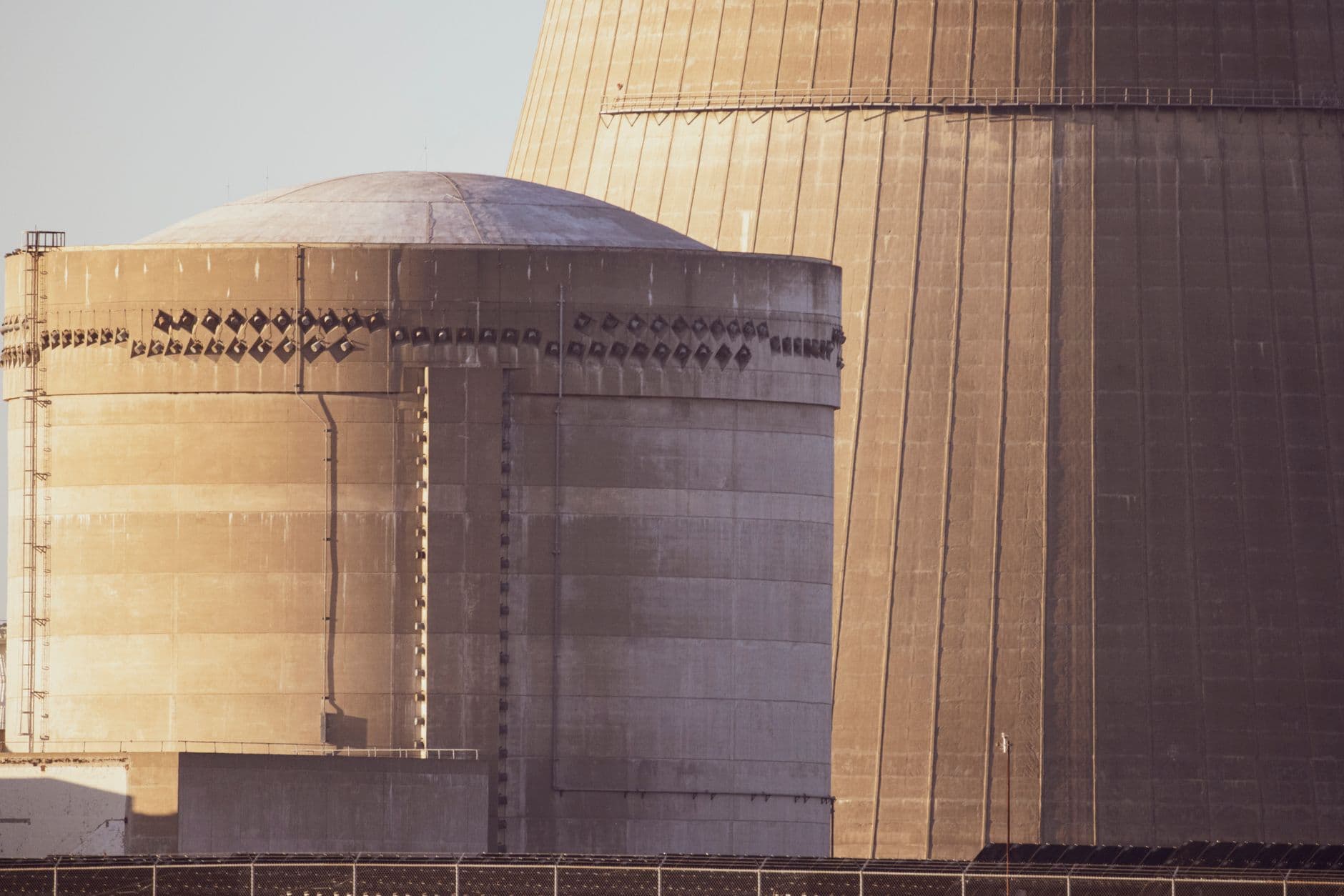
First criticality at Changjiang Unit 3 marked the moment the reactor stopped being just a completed plant and became a controlled nuclear system for the first time. China National Nuclear Corporation said the 1,100 MWe pressurized water reactor in Hainan province reached the milestone at 18:00 local time on 10 July, calling it the official attainment of chain-fission capability.
That step matters because it shows the core, the control systems and the reactor physics are all responding as designed before the unit moves toward grid connection and full commissioning. CNNC said the startup sequence included control-rod withdrawal, manual shutdown, boron concentration adjustment and gradual rod-lifting tests before first criticality was achieved.
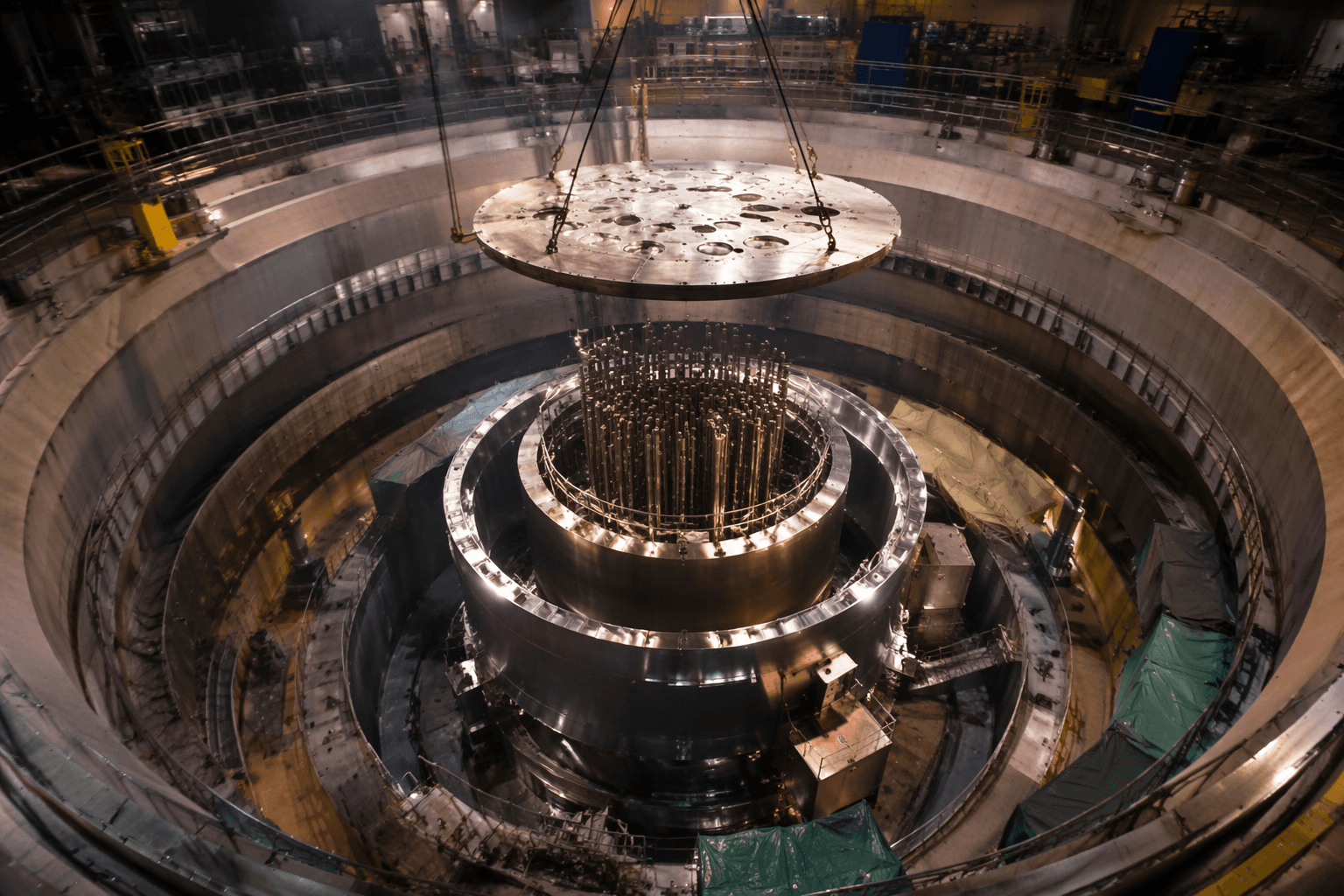
Changjiang Unit 3 is one half of Changjiang Phase II, a two-unit build that also includes Unit 4. Both reactors are Hualong One units, China’s domestic third-generation design, and both are slated to be fully operational in early 2027. The phase carries an estimated investment of CNY40 billion, with China Huaneng holding 51% of the project and CNNC holding the remaining 49%.
The schedule has been visible in the concrete as well as in the paperwork. First concrete for Unit 3’s nuclear island base slab was poured in March 2021, while Unit 4 followed in December 2021. Earlier reporting had put the construction period at 60 months, which lines up with the early-2027 completion target now attached to both units.
The milestone also puts Changjiang in a more active commissioning window. Some reporting says Unit 3 has entered the power-operation phase, with grid connection and commercial operation still ahead. For a reactor startup team, first criticality is not the finish line; it is the point at which the core has proven it can sustain a reaction under controlled conditions and start the long sequence of testing that leads to actual delivery of electricity.
Changjiang is already an established nuclear site. Two CNP-600 reactors there entered commercial operation in 2015 and 2016, and the plant also hosts a demonstration ACP100 small modular reactor, known as Linglong One. CNNC said that unit completed cold functional tests in October 2025 and passed a non-nuclear turbine test run on 23 December 2025.
For Hainan’s energy plans, Changjiang-3 adds another layer to an already busy site. For commissioning teams, the more immediate story is simpler: the core has gone critical, the reactor is alive in the technical sense, and the remaining path now runs through the checks that turn that physics milestone into a commercial unit.
This article was produced by Prism’s automated news system from verified source data, official records, and press releases, then run through automated quality and moderation checks before publishing. The system is built and supervised by the people who set the standards it runs under. Read our full AI policy.
Did this article answer your question?