DOE Awards $49.7 Million to Expand Nuclear Safety Training Nationwide
NC State and Toledo won the biggest shares of a $49.7 million DOE push aimed at the nuclear staffing crunch as reactors, fuel work, and certifications scale up.
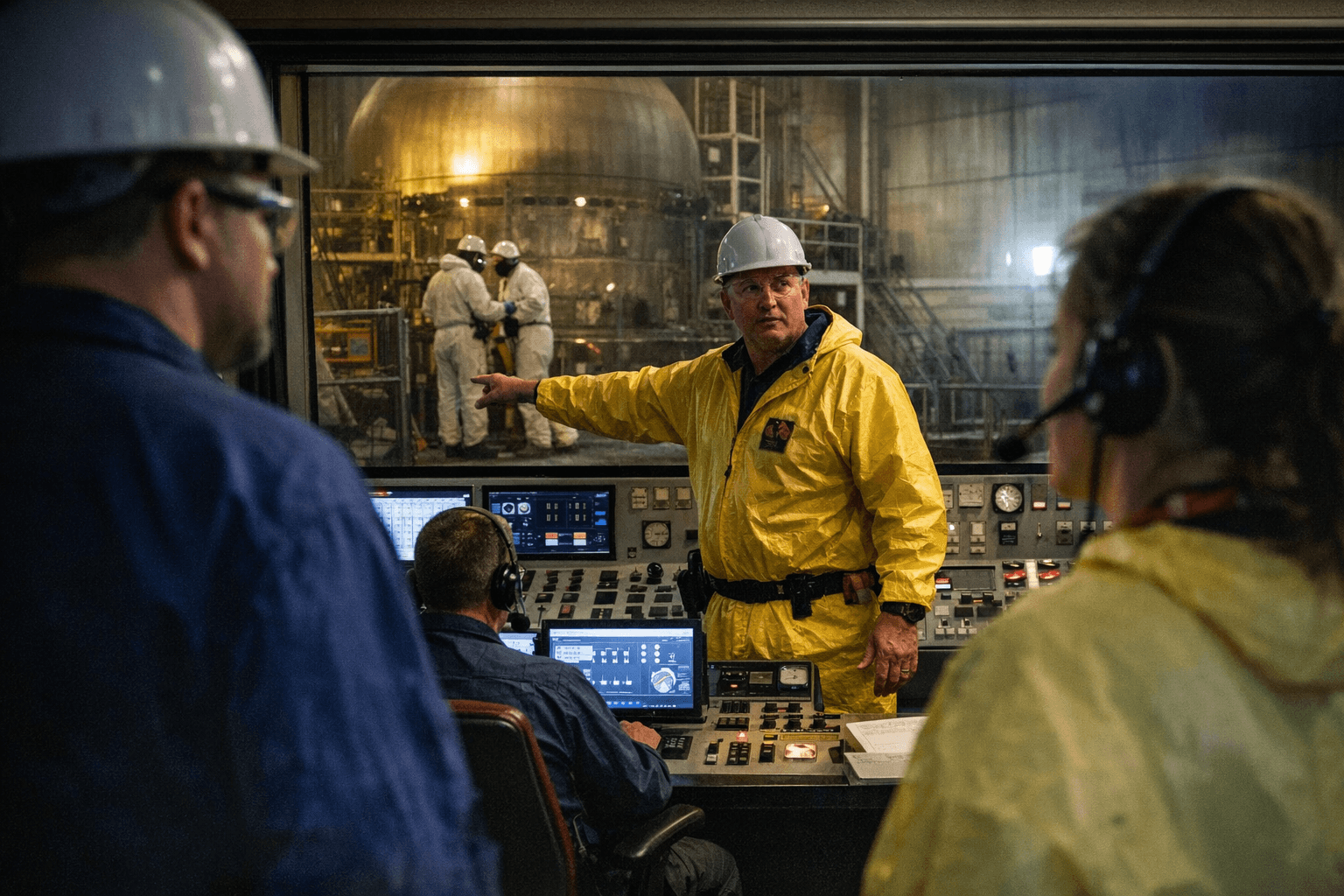
North Carolina State University and the University of Toledo won the biggest shares of a $49.7 million DOE push aimed at the staffing bottleneck shadowing the U.S. nuclear buildout. The awards, announced by the U.S. Department of Energy’s Office of Nuclear Energy, went to 10 university-led projects designed to expand safety training, certification pathways, and workforce development nationwide.
The money lands as the industry tries to scale up faster than its labor pipeline. DOE says the current U.S. reactor fleet of 94 operating units employs about 100,000 people today, and that number could climb to 375,000 by 2050 if advanced reactors move through deployment and commercialization. The agency is betting that more lab access, more simulator time, and more industry-recognized credentials will keep new builds and fuel-cycle projects from running into avoidable hiring gaps.
The largest awards went to the Consortium for Reactor Safety Training, or CRεST, led by North Carolina State University, which received $18.3 million, and to the Great Lakes Partnership to Enhance the Nuclear Workforce, led by the University of Toledo, which received $19.2 million. DOE said CRεST will work on strategies to bring local communities into conversations about nuclear energy while addressing concerns and highlighting economic and environmental benefits. The Toledo-led partnership will strengthen safety training pipelines for the light-water reactor workforce, modernize curricula for advanced reactor concepts, and establish industry-recognized nuclear reactor safety certifications.
DOE also selected Pennsylvania State University to establish an educational certificate program and corresponding certification tied to a workforce gap identified by an industrial partner. The University of Tennessee at Knoxville will focus on curriculum development and instruction for training and certification. Across the full slate of projects, DOE said the work will target reactor operations, radiation protection, instrumentation, maintenance, and regulatory compliance, with partnerships that include national laboratories, industry, technical colleges, community colleges, and universities near active nuclear power plants.
Acting Deputy Assistant Secretary for Strategic Crosscuts Michelle Scott said, “More nuclear energy means more nuclear energy jobs,” adding that the awards will help ensure the next generation of nuclear energy workers receive rigorous training that promotes the highest standards of safety. DOE launched the Nuclear Reactor Safety Training and Workforce Development Program on September 30, 2024, with up to $100 million in total funding, and said all selectees must cover a 50 percent cost share. The initial funding round closed on January 14, 2025, and this award set marks the program’s move from planning into execution, just as reactor developers and fuel projects race to secure the people needed to run them safely.
Know something we missed? Have a correction or additional information?
Submit a Tip
_74001.jpg&w=1920&q=75)
