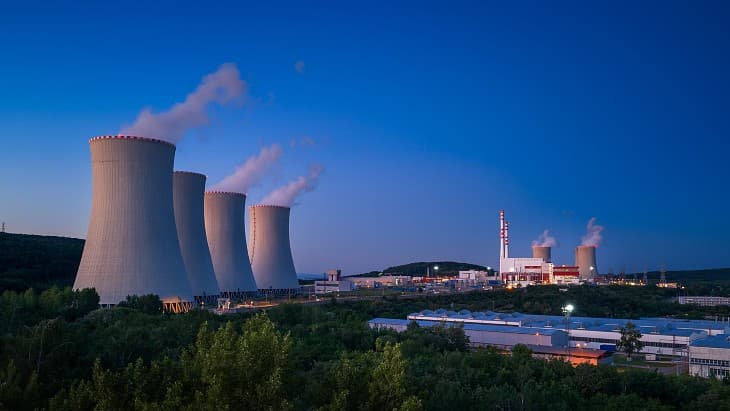
DOE launches consortium to strengthen domestic nuclear fuel supply
DOE moved to tackle the fuel bottleneck head-on, pulling more than 90 companies into a DPA-backed push for U.S. enrichment, conversion, fabrication, and recycling capacity.
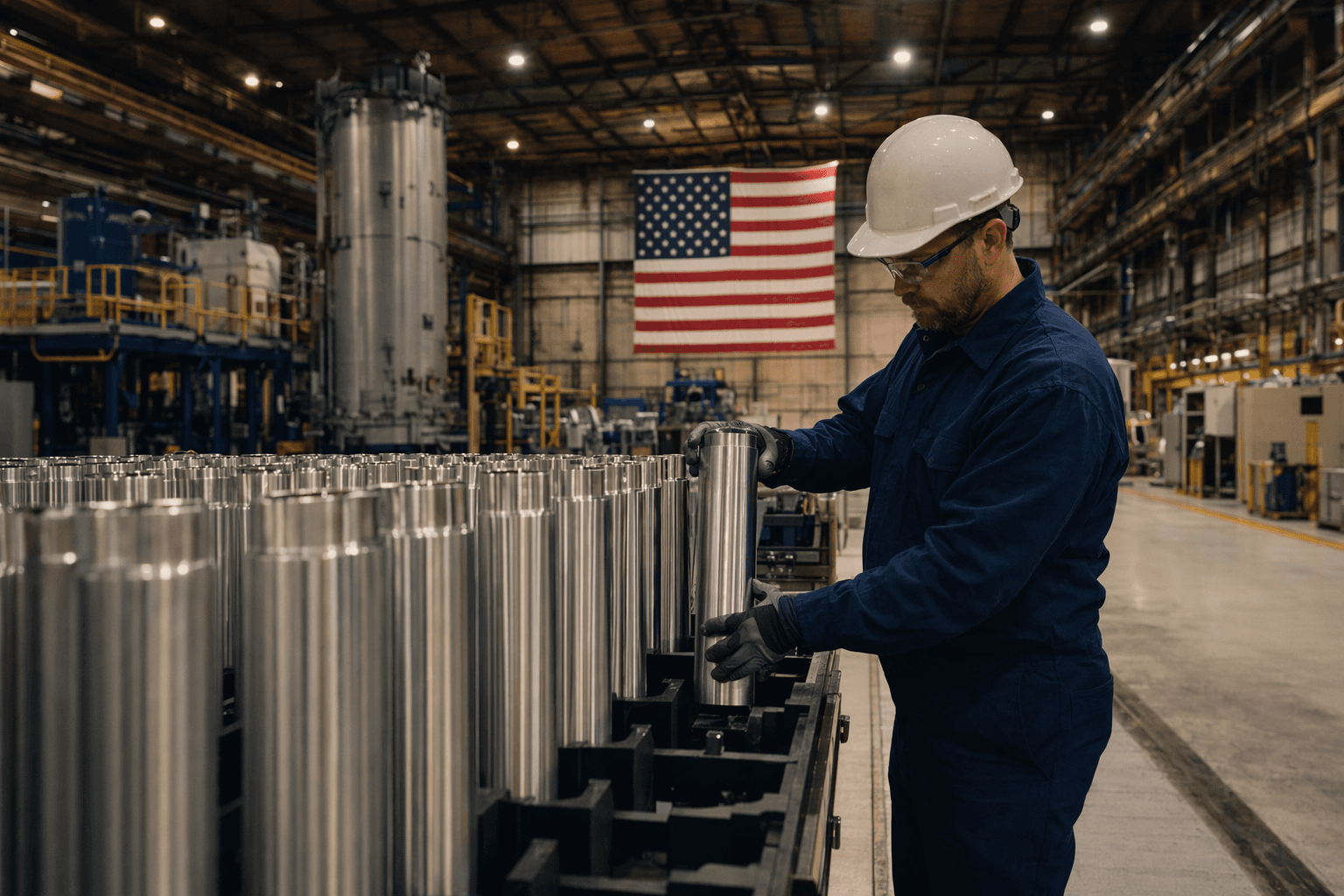
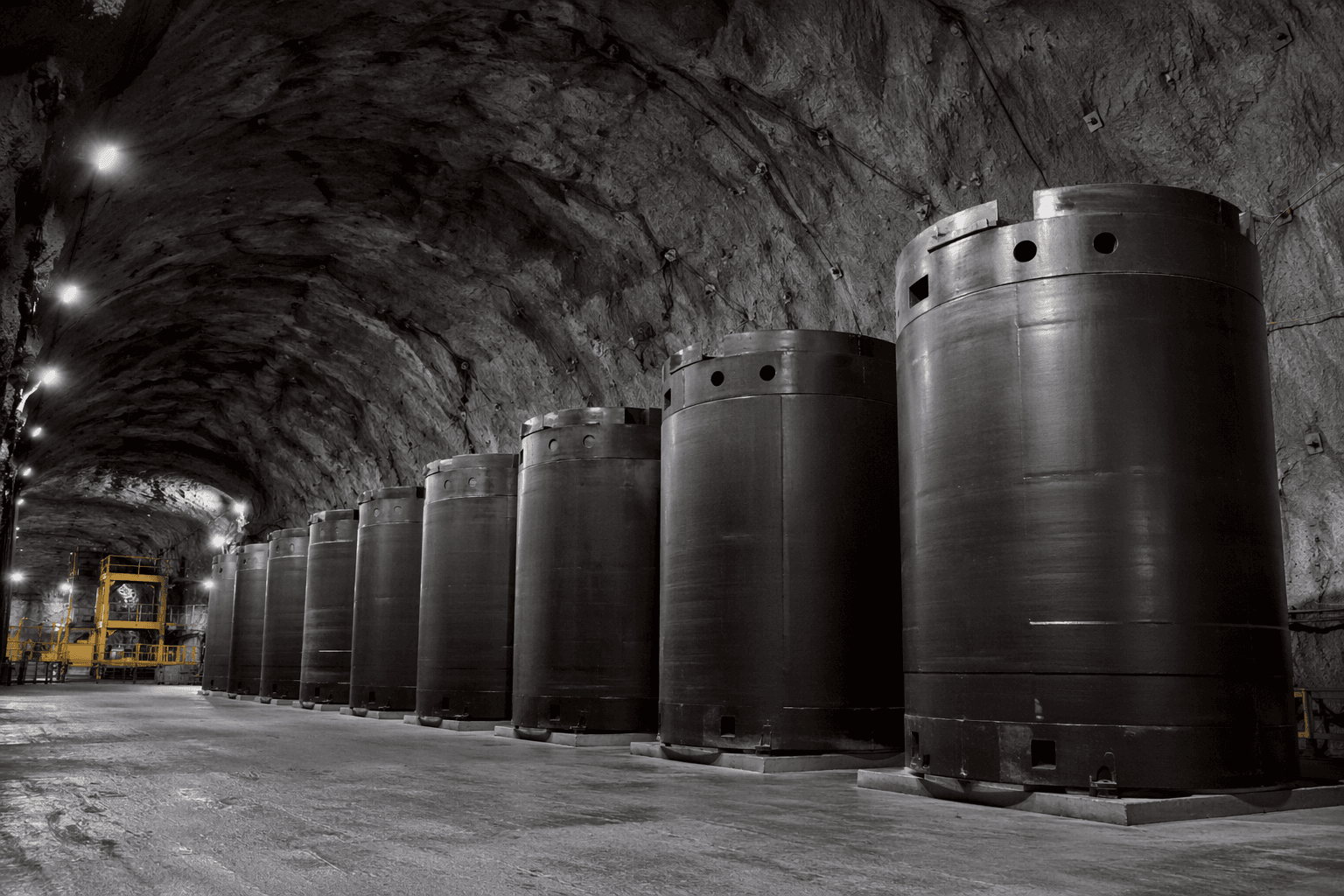
The real choke point in U.S. nuclear expansion is not reactor ambition, but fuel. The Department of Energy has moved to pull more than 90 companies into a Defense Production Act Nuclear Fuel Cycle Consortium built to expand domestic capacity from mining and milling through conversion, enrichment, deconversion, fabrication, recycling, and reprocessing, because DOE says the United States still lacks enough homegrown nuclear fuel resources to meet projected demand.
That matters far beyond the current fleet. DOE has tied the effort to both today’s operating reactors and the advanced designs that developers want to bring online on U.S. schedules. If the fuel cycle cannot scale, then even well-financed reactor projects can hit the same wall: no predictable feedstock, no reliable fabrication slots, and no clear path to long-term fuel security. The program is meant to make those links visible and, at least in theory, manageable.
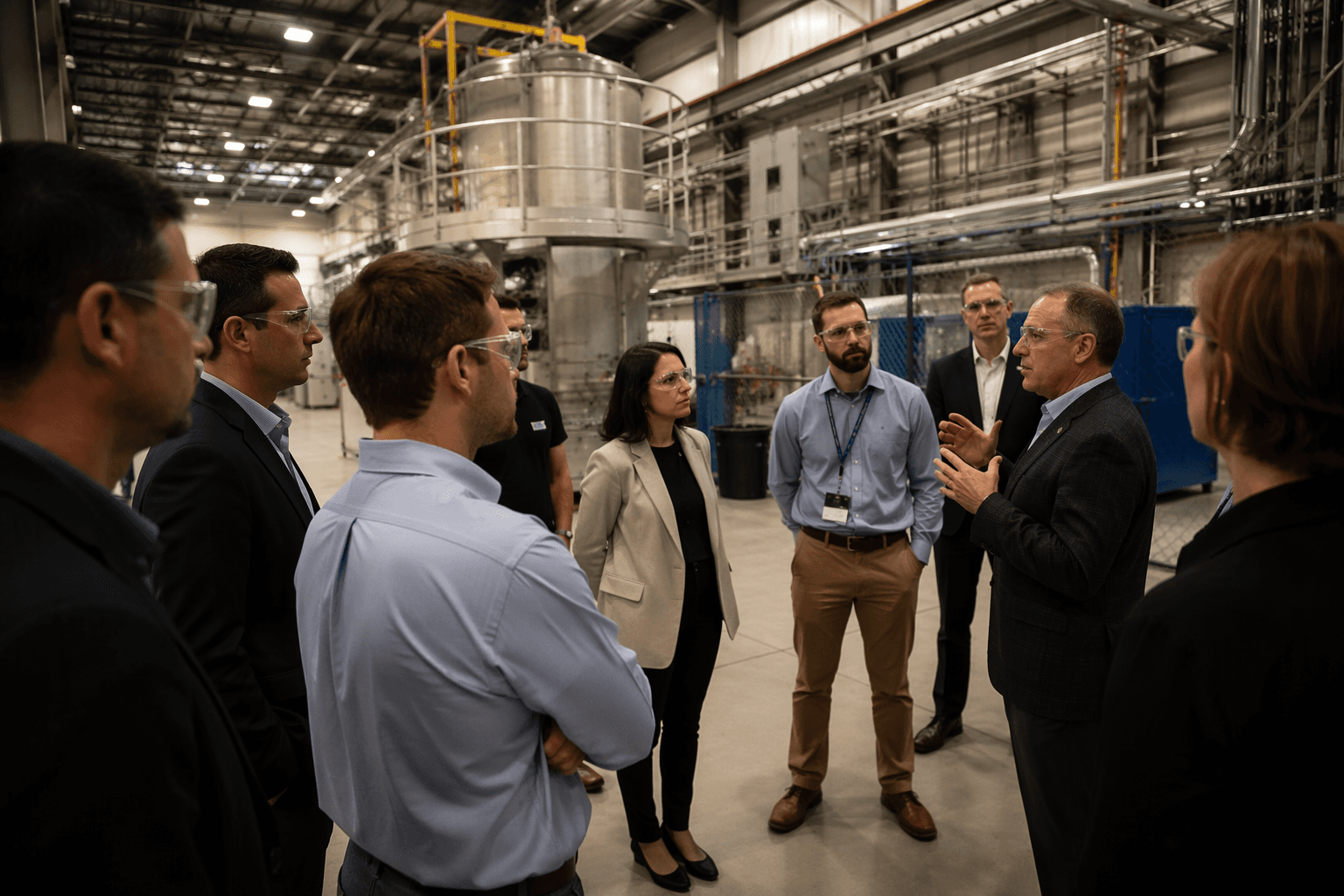
The legal structure is as important as the industrial one. The U.S. Department of Justice Antitrust Division approved the consortium’s updated voluntary agreement and related plans of action on April 23, 2026, after consulting with the Federal Trade Commission. DOE’s materials say each plan of action must be reviewed before it becomes effective, and that the voluntary agreement creates a legal safe harbor for approved collaboration while keeping guardrails in place. DOE also says the arrangement can stay active for up to five years unless it is extended or terminated.
DOE first held an industry meeting on October 14, 2025, after a 30-day comment period on the interim final rule began on August 25, 2025. Since then, the consortium has become part of a broader push to restore domestic supply chains for nuclear energy, with DOE saying its work may inform future DOE programs of record. The agency’s own nuclear energy fact sheet says it is working toward expanding U.S. nuclear capacity from about 100 GW in 2024 to 400 GW by 2050, a scale-up that makes fuel-cycle capacity a deployment issue, not just a policy issue.
The near-term action is already visible. DOE issued two Requests for Applications on April 22, 2026, to advance used nuclear fuel recycling, including proposals to design, construct, and operate recycling, reprocessing, and fuel fabrication facilities in the United States. Initial applications are due June 19, 2026, with rolling submissions after that. DOE has framed the consortium around 2033 targets for a secure and cost-competitive domestic fuel supply chain, accelerated advanced reactor deployment, and a tighter link between workforce, finance, innovation, and collaboration. The open question is which missing link it is meant to fix first: conversion, enrichment, or fabrication.
This article was produced by Prism’s automated news system from verified source data, official records, and press releases, then run through automated quality and moderation checks before publishing. The system is built and supervised by the people who set the standards it runs under. Read our full AI policy.
Did this article answer your question?