Oklo, LANL and Nvidia partner on AI-driven nuclear fuel validation
Sam Altman-backed Oklo is betting AI can shorten the slowest part of reactor deployment: proving plutonium fuel is ready for a commercial fast reactor.

Sam Altman-backed Oklo is trying to turn AI into something the nuclear sector actually needs: a faster path from lab data to licensed fuel. Its new partnership with Los Alamos National Laboratory and NVIDIA, announced April 23, put plutonium-bearing fuel for Oklo’s Pluto fast-spectrum reactor at the center of the work.
The pitch is not about flashy machine learning for its own sake. Oklo said the collaboration will use science-based AI models for fuel validation, materials science and fabrication research, and digital-twin work that can help shorten testing and operational-readiness timelines. It also extends to nuclear-powered AI computing centers at Los Alamos, tying the program to the federal government’s Genesis Mission and to the broader scramble for the energy supply behind AI infrastructure.
The most important detail is that this did not start from zero. Oklo and Los Alamos had already run a multi-day fast-spectrum plutonium critical test suite at the National Criticality Experiments Research Center at the Nevada National Security Site. That campaign produced modern benchmark data for Pluto and for Oklo’s plan to use surplus plutonium as a bridge fuel while HALEU and recycling-based supply chains scale. In practical terms, that is the kind of data that can move a fuel concept from promising physics to something regulators and engineers can actually argue over.
The timing matters too. The U.S. Department of Energy launched its Reactor Pilot Program on June 18, 2025, originally aiming for at least three test reactors to reach criticality by July 4, 2026, before later naming 11 advanced reactor projects in the first round. Oklo and its Atomic Alchemy subsidiary have already been pulled into that broader federal framework, including the Fuel Line Pilot Program, where Oklo said it would build and operate three fuel-fabrication facilities. For a company that wants to commercialize a fast-spectrum machine, the fuel line may be as important as the reactor vessel.
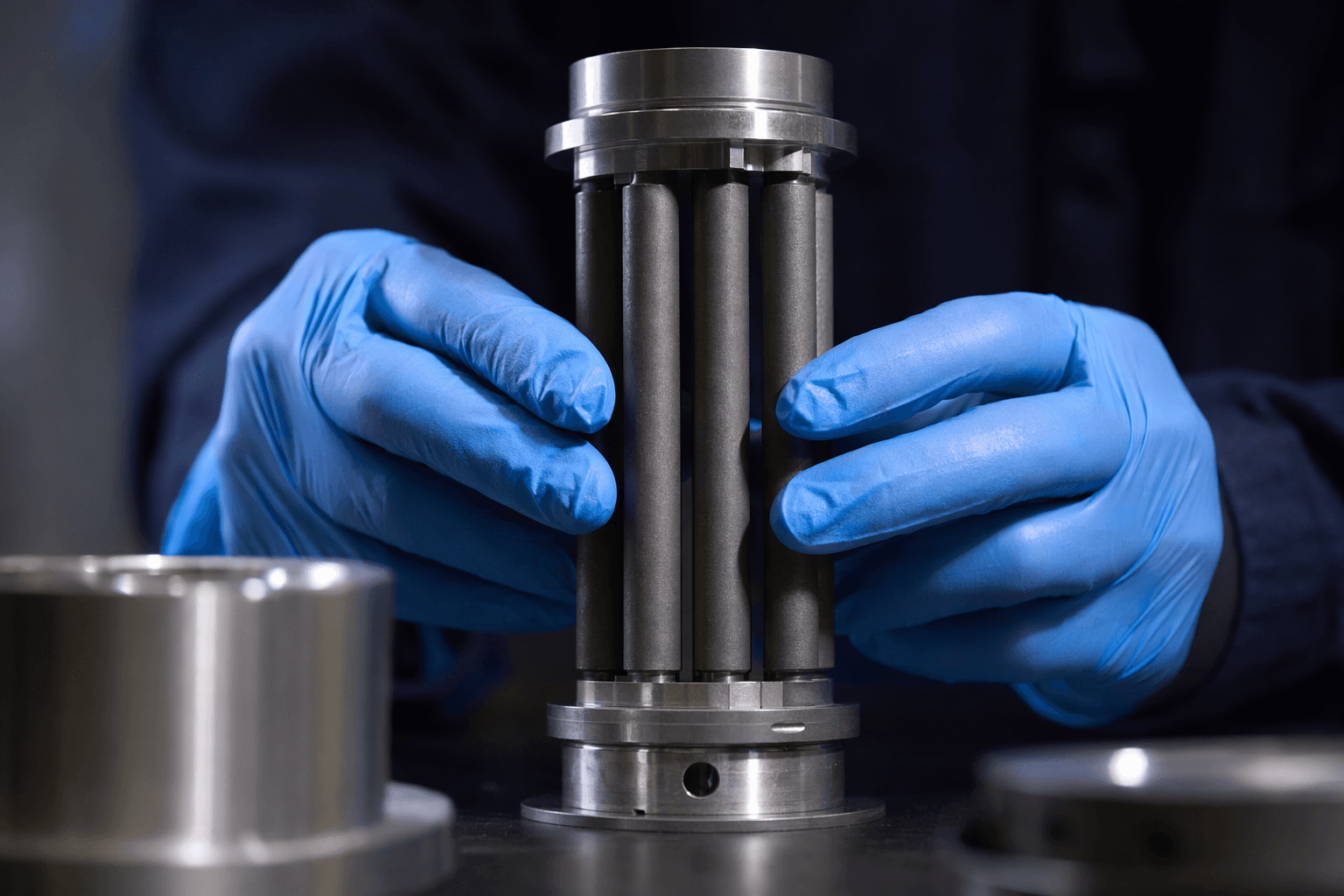
Los Alamos has been building the kind of infrastructure that makes this partnership plausible. The lab’s upgraded Plutonium Science Lab includes analytical instruments, fume hoods and custom gloveboxes for small-scale plutonium-239 experiments, and LANL described it as a unique DOE resource for plutonium science, separations and recycling, novel material discovery and advanced property measurements. LANL also said it resumed dynamic plutonium imaging at pRad in September 2025 for the first time since 2007, another sign that plutonium science is moving back toward active experimentation.
The evidence gap is still obvious. The real test is whether this effort produces fuel qualification data, licensing-ready analysis and fabrication results that show up in filings, not just in a prestige announcement. Oklo has already said it was the first to receive a DOE site use permit for a commercial advanced fission plant, received fuel from Idaho National Laboratory and submitted the first custom combined license application for an advanced reactor to the Nuclear Regulatory Commission. This partnership will matter only if it helps convert that head start into hardware, fuel and a permit path that keeps moving.
This article was produced by Prism’s automated news system from verified source data, official records, and press releases, then run through automated quality and moderation checks before publishing. The system is built and supervised by the people who set the standards it runs under. Read our full AI policy.
Did this article answer your question?