DOE launches Nuclear Dominance 3 by 33 to secure fuel supply
DOE’s new 3 by 33 push puts the fuel cycle at the center of U.S. nuclear expansion, with 90-plus companies and 60-day sprints aimed at breaking enrichment bottlenecks.
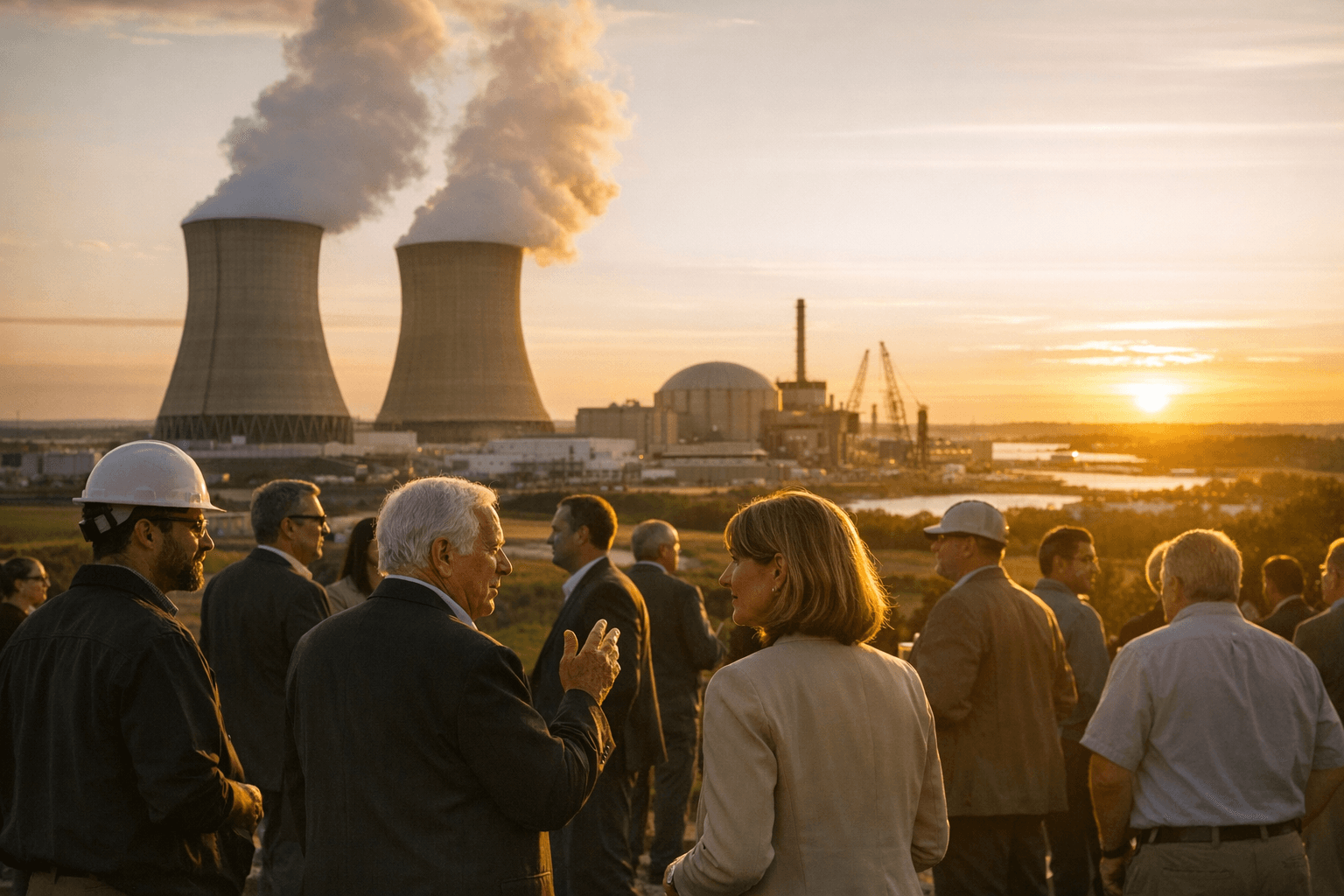
DOE has shifted the nuclear fuel debate from a policy talking point to an industrial mobilization plan. Its Defense Production Act Nuclear Fuel Cycle Consortium launched Nuclear Dominance - 3 by 33 on April 23, setting a 2033 deadline to build a secure, cost-competitive domestic fuel supply chain, speed advanced reactor deployment while closing the fuel cycle, and use the Defense Production Act to line up workforce, finance, innovation and collaboration behind nuclear buildout.
The strongest signal in the plan is operational, not rhetorical. DOE said the consortium, which includes representatives from more than 90 companies across the domestic nuclear industrial base, will move in 60-day sprints. That matters because the work spans the entire fuel cycle: mining and milling, conversion, enrichment, deconversion, fabrication, recycling and reprocessing. In other words, DOE is not just talking about reactors; it is trying to clear the bottlenecks that determine whether reactors can actually run.
That bottleneck problem remains severe. DOE’s own consortium materials say the United States lacks sufficient domestic nuclear fuel resources to meet projected demand, and the fuel cycle still depends on outside enrichment and related services. Nuclear now supplies nearly 20 percent of U.S. electricity, and EIA says it accounted for about 18 percent of utility-scale generation in 2025, making it the nation’s second-highest electricity source. With demand rising from industrial manufacturing and data centers tied to artificial intelligence, DOE is treating fuel supply as energy security infrastructure, not back-office support.
Assistant Secretary of Nuclear Energy Ted Garrish called the moment pivotal for U.S. nuclear growth and said near-term progress is needed to achieve “a robust American-made fuel supply.” On the same day, the Justice Department’s Antitrust Division said it approved the consortium’s updated voluntary agreement and related plans of action after consulting with the Federal Trade Commission. Acting Assistant Attorney General Omeed A. Assefa said DOJ looked forward to working with DOE on “energy independence and reliable access to fuel.”
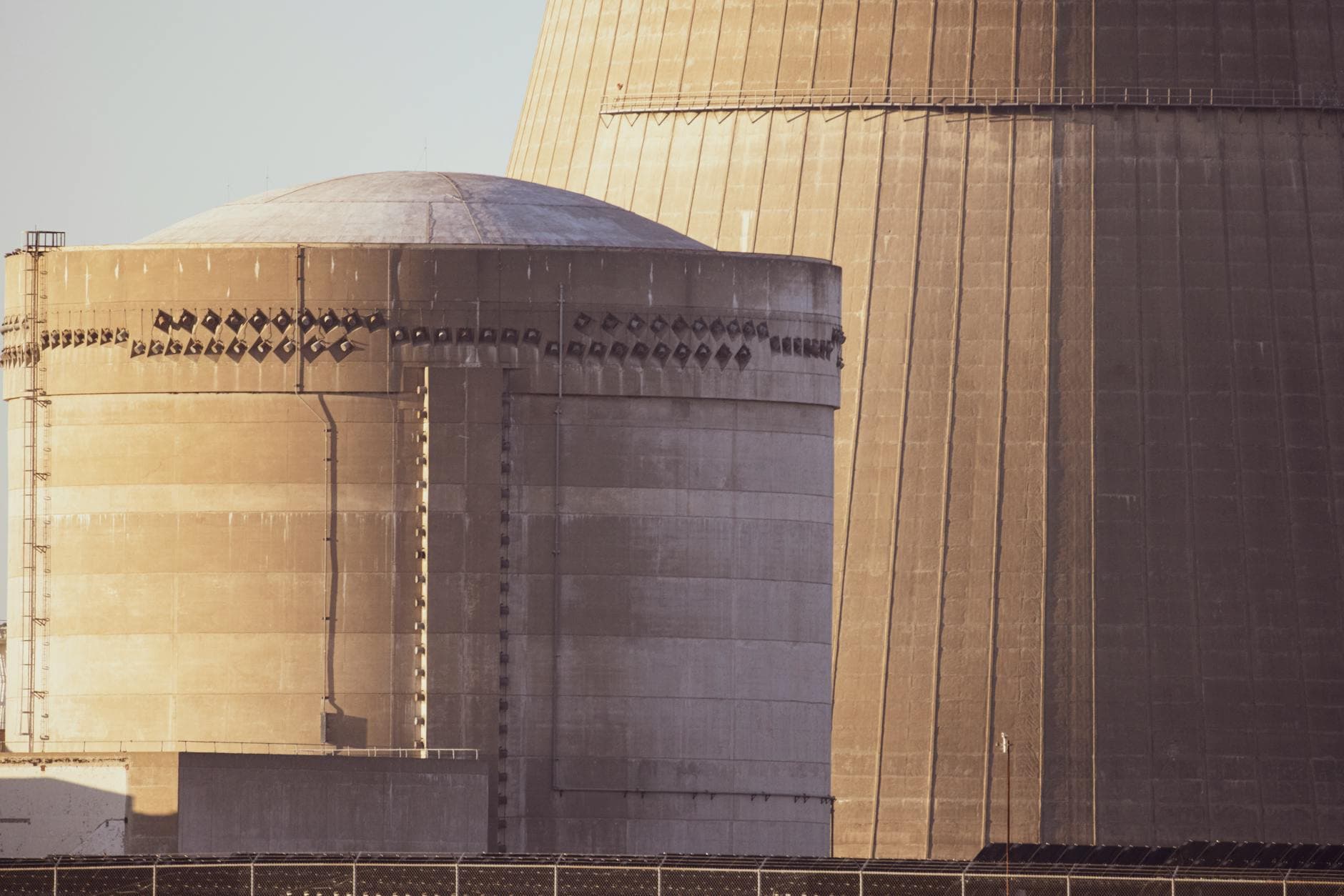
The legal structure matters as much as the plan itself. The consortium operates under Section 708 of the Defense Production Act, giving industry a voluntary-agreement framework and an antitrust safe harbor for approved collaboration. DOE first announced the consortium in August 2025, and a September 5 industry session said the first meeting would be held October 14, 2025, at 10:00 a.m. EDT.
The question now is whether 3 by 33 is ambitious enough to loosen dependence on Russia-linked supply chains before the next wave of reactor projects needs fuel. DOE has already moved on related fronts, including a January 28, 2026 request for state-hosted Nuclear Lifecycle Innovation Campuses and September 30, 2025 Advanced Nuclear Fuel Line Pilot Projects involving four companies. One of those efforts supports a Reactor Pilot Program aiming for at least three reactors to reach criticality by July 4, 2026. DOE’s message is clear: fuel-cycle capacity is no longer a distant industrial goal, but a gating item for actual commercial deployment.
Know something we missed? Have a correction or additional information?
Submit a Tip_29336.jpg&w=1920&q=75)