Navoiyuran launches commercial uranium recovery at Uzbekistan’s Qizilkok deposit
Navoiyuran moved Qizilkok into commercial uranium recovery after two years of pilot work, adding a new Uzbek source to a tight fuel cycle.
_29336.jpg&w=1920&q=75)
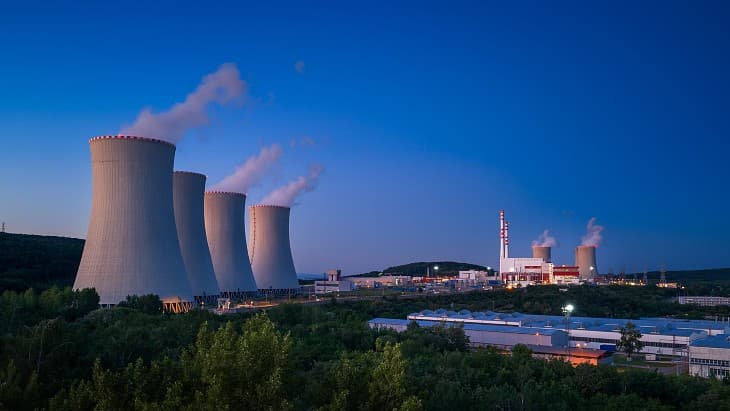
Navoiyuran has pushed the Qizilkok deposit into commercial in-situ uranium recovery, turning two years of pilot industrial work into steady output in Uzbekistan’s Navoi region. For reactor fuel watchers, the significance is not the geology alone. It is the way another state-owned producer is adding non-Western supply into a market where every new tonne can shift leverage.
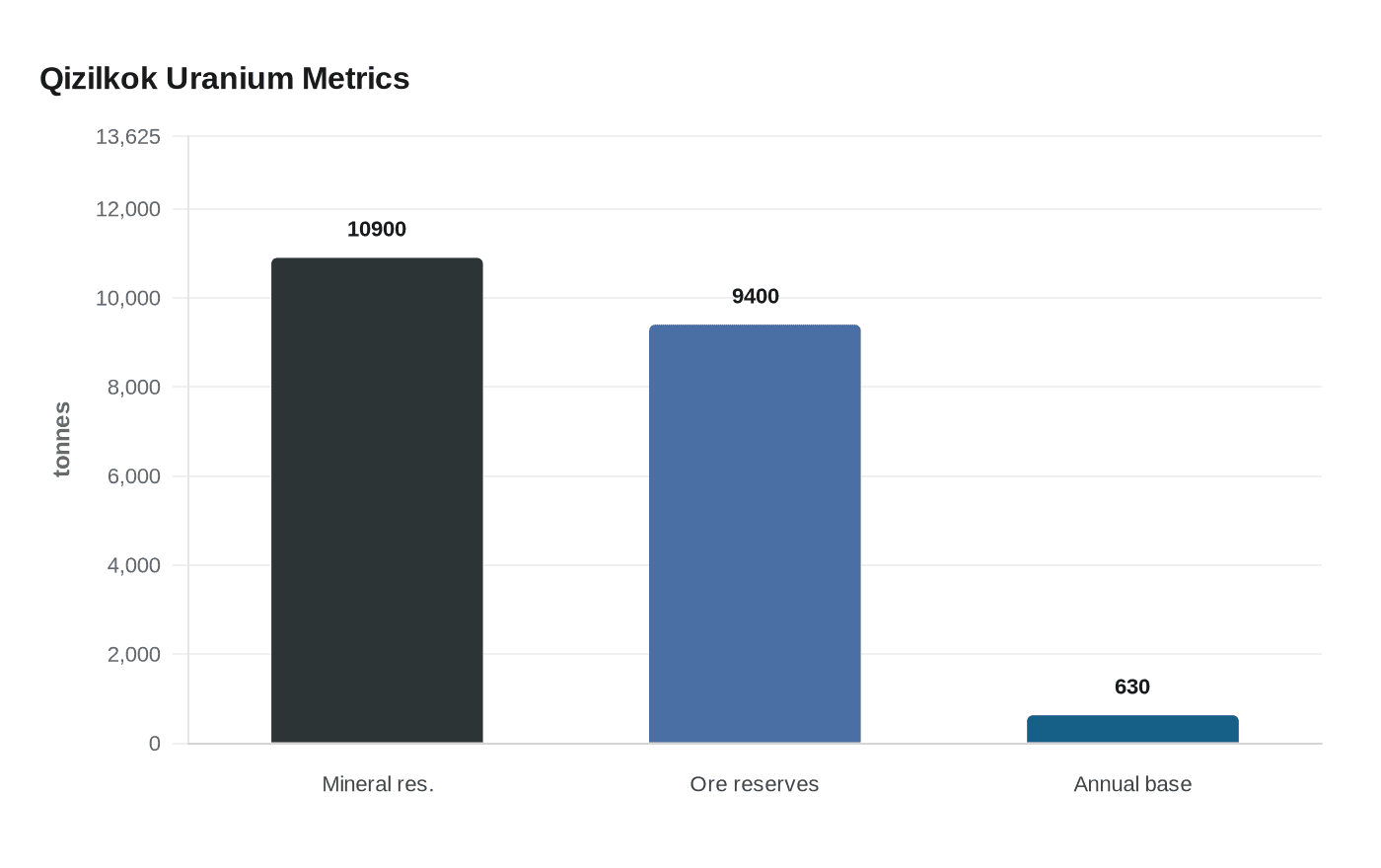
The company said pilot industrial operations at Qizilkok began in December 2024. It now says the project has reached commercial production, a step that moves the site from testing and early-stage development into a production mode that can feed the broader uranium chain. Qizilkok contains an estimated 10,900 tonnes of uranium in mineral resources and 9,400 tonnes in ore reserves, with a mine life estimated at about 15 years. Spread across that life, the reserve base points to roughly 630 tonnes a year, a modest addition in volume terms but one that matters in a supply chain built on thin margins and long lead times.
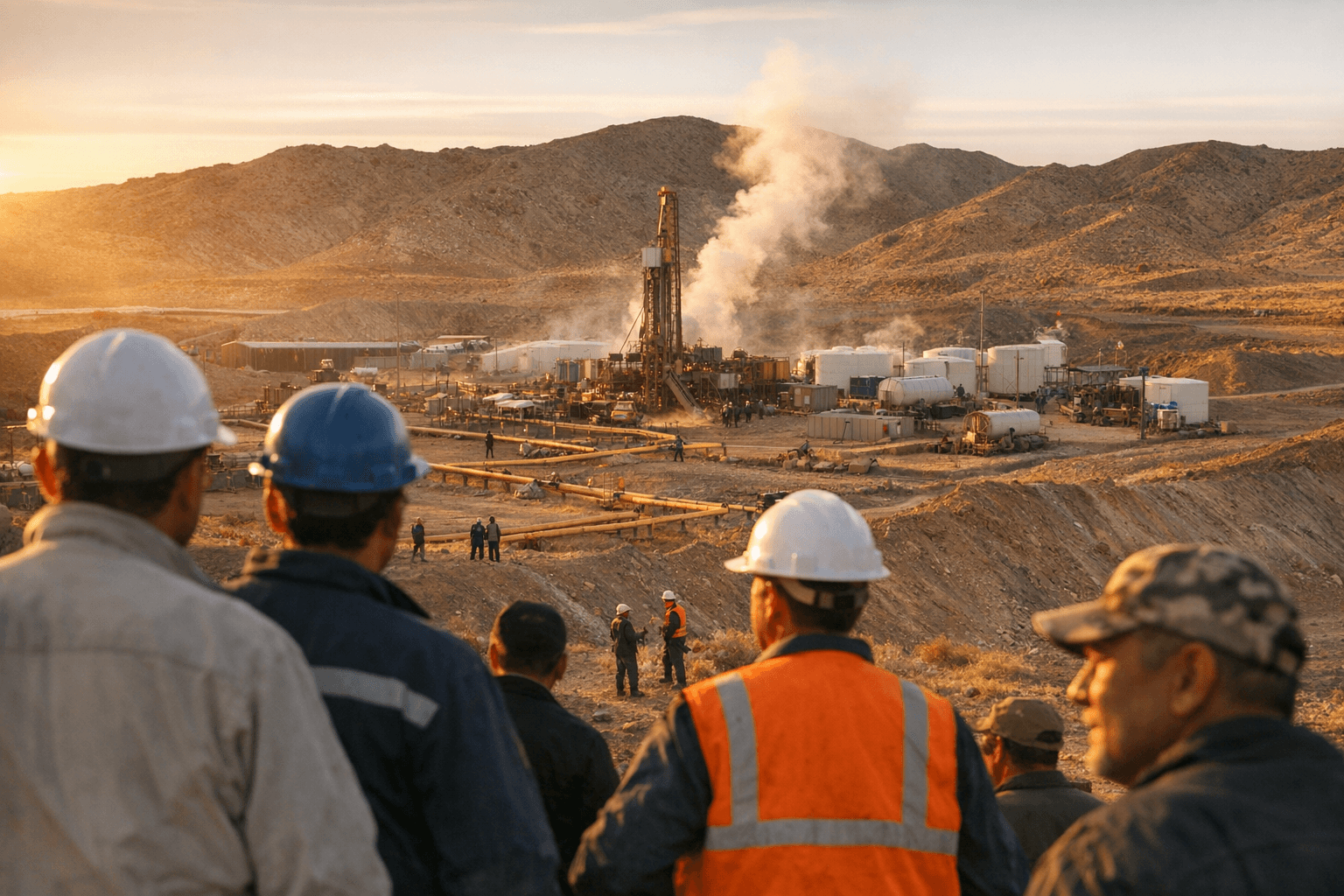
The deposit sits about 600 km from Tashkent and has become Navoiyuran’s third-largest producing site after Sugrali and Uchkuduk. The company says its core purpose is to extract natural uranium in the Kyzylkum region and export uranium oxide, a mission rooted in a long industrial history. Uranium development in central Kyzylkum began in 1958, and Qizilkok fits squarely into that legacy of expanding output from Uzbekistan’s desert uranium belt.
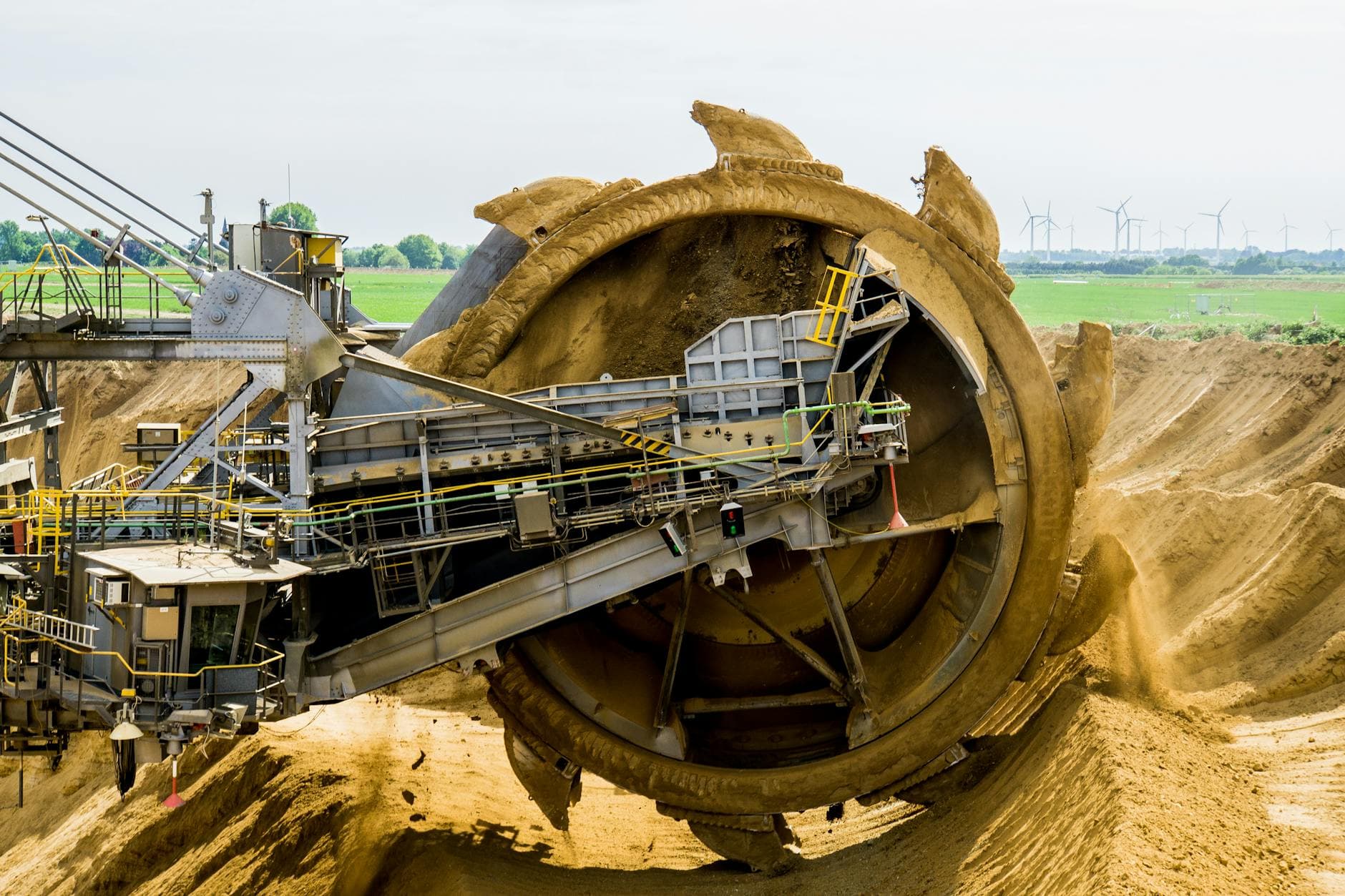
Navoiyuran also says the project uses a low-reagent in-situ recovery oxygen technology that can increase recovery while cutting production costs by two to three times. Djamal Sabakhonovich Fayzullayev, the company’s general director, said the business had now reached commercial production after a lengthy period of pilot industrial operations. That kind of milestone matters because commercial deployment, not laboratory promise, is what changes the economics of supply.
The bigger market question is whether Qizilkok truly diversifies supply for reactor operators or simply deepens another geopolitically sensitive link in the chain. A January 2025 company report said Navoiyuran doubled its production volume in 2024 and exceeded $1 billion in output, showing how central new deposits have become to its growth. Qizilkok gives buyers another source, but it also reinforces the role of a single state-owned producer in a supply chain that remains strategically exposed.
This article was produced by Prism’s automated news system from verified source data, official records, and press releases, then run through automated quality and moderation checks before publishing. The system is built and supervised by the people who set the standards it runs under. Read our full AI policy.
Did this article answer your question?