DOE Launches UPRISE Initiative to Expand U.S. Nuclear Capacity Through Uprates, Restarts
DOE's UPRISE initiative targets 5 GW of new nuclear capacity by 2029, backed by $289B in loan authority and restarts at Palisades and Crane.
The DOE's Office of Nuclear Energy unveiled a sweeping capacity expansion program on March 12 that bets the near-term future of U.S. nuclear growth on the fleet already in the ground, not the reactors yet to be built.
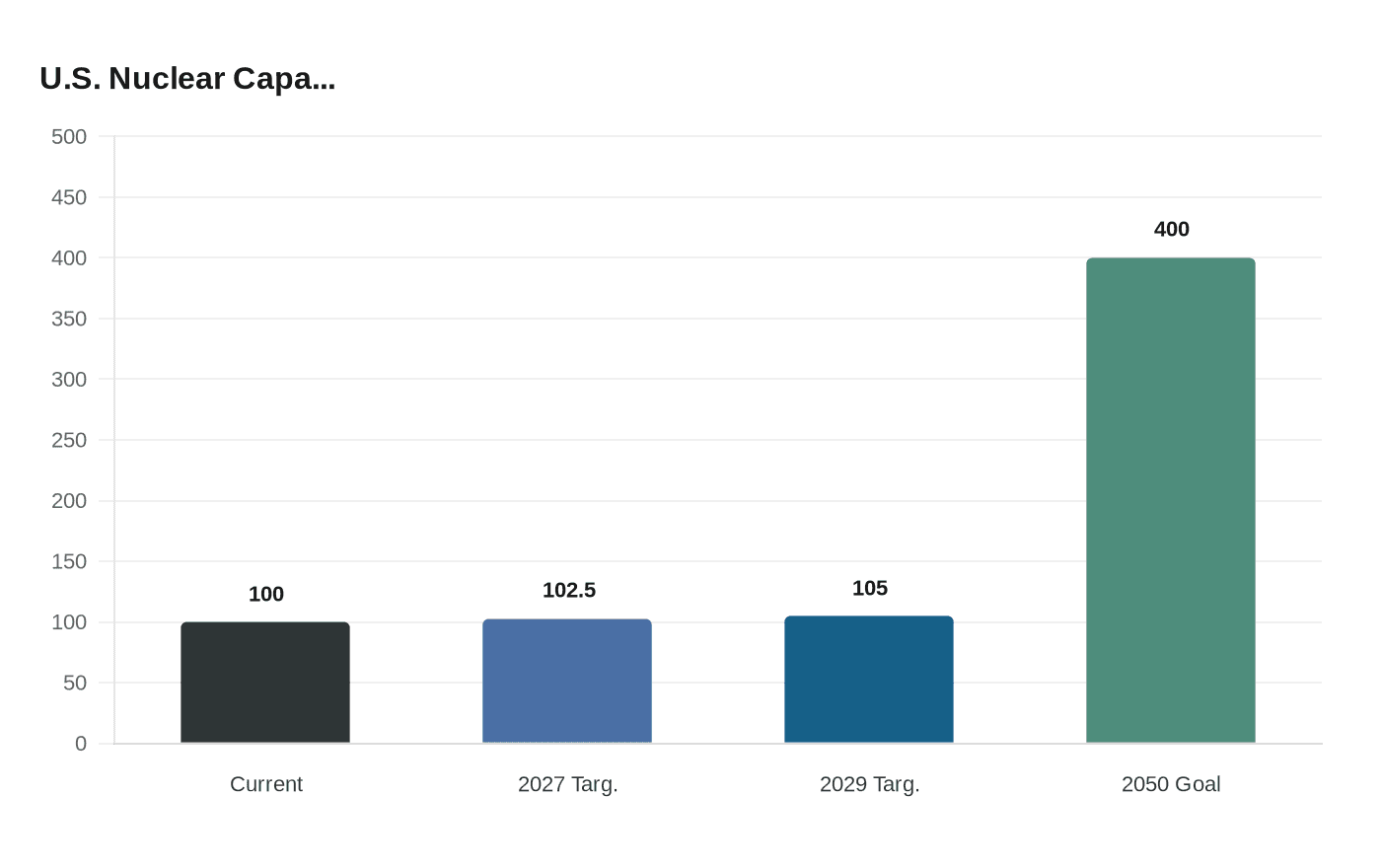
The Utility Power Reactor Incremental Scaling Effort, UPRISE, sets concrete milestones: 2.5 gigawatts of additional nuclear capacity by 2027 and 5 gigawatts by 2029. The initiative pursues those targets through power uprates at operating plants, license renewals to extend reactor lifespans, restarts of dormant facilities, and plant efficiency optimization that includes deployment of advanced fuel technologies.
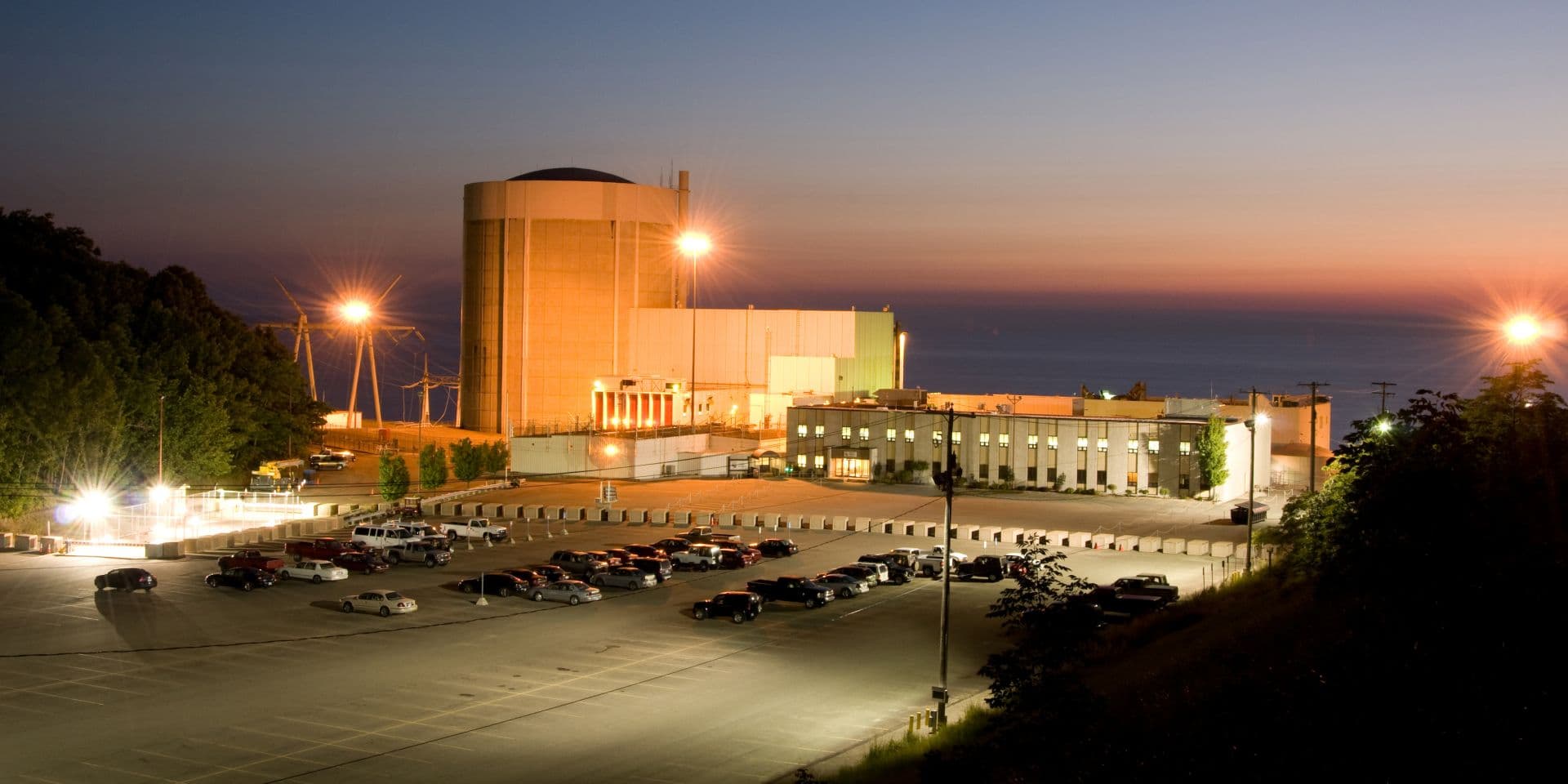
Two restart projects anchor the program's near-term portfolio. Palisades Nuclear Plant in Michigan, rated at 805 MW, is targeted for restart this year, with DOE loan program support already in place. The Crane Clean Energy Center in Pennsylvania, at 835 MW, carries a 2027 restart target and is similarly backed by DOE financing. The agency described UPRISE as focused on "the most cost-effective and immediate methods" to increase capacity, and framed the initiative around "solutions available today and immediate opportunities for nuclear energy capacity expansion."
Financing is a central pillar. The Office of Energy Dominance Financing, a DOE partner on the initiative, carries more than $289 billion in available loan authority and can provide up to 80 percent financing for eligible project costs associated with nuclear uprates at attractive interest rates. That federal loan authority is intended to de-risk investment decisions for plant owners weighing uprate or restart projects.
Beyond financing, DOE plans to convene matchmaking workshops later this year, pairing nuclear plant owners with large end-users to establish collaborative agreements and create commercial off-takers for incremental capacity. The Office of Nuclear Energy and the Office of Energy Dominance Financing will co-host those workshops. On the technical side, DOE committed to providing targeted support to plant owners and directly to the Nuclear Regulatory Commission to help streamline uprate and restart licensing processes. The NRC approved 13 reactor license renewals in 2025, a baseline that UPRISE intends to build on.
Research support runs through Idaho National Laboratory, where the Light Water Reactor Sustainability Program will serve as a primary DOE resource underpinning the initiative, focusing on operational efficiency and life extension studies for the existing fleet. DOE also identified workforce development and advances in nuclear fuels as foundational priorities alongside the uprate and restart work.
UPRISE is described as a supply chain catalyst as much as a capacity program. The initiative aims to "invigorate the domestic supply chains required for both upgrading existing plants and the build-out of future nuclear plants," positioning near-term fleet work as infrastructure for the longer construction pipeline.
The program operates within the Trump administration's stated goal of growing U.S. nuclear generating capacity from 100 gigawatts today to 400 gigawatts by 2050, and is guided by Executive Orders emphasizing nuclear energy's role in national security, economic growth, and energy dominance. UPRISE frames itself as the mechanism that delivers measurable capacity gains on the path to that longer horizon, starting with the two restart projects already in motion and the 2.5 GW target just 12 months away.
Know something we missed? Have a correction or additional information?
Submit a Tip

