European Commission Commits €330 Million to Fusion and Nuclear R&D in 2026-2027 Euratom Work Programme
The European Commission committed €330 million to nuclear R&D on March 19, with €222 million alone earmarked to push fusion energy from lab to grid.
Nine days after Commission President Ursula von der Leyen stood before the Nuclear Energy Summit in Paris and declared it "a strategic mistake for Europe to turn its back on a reliable, affordable source of low-emissions power," the European Commission put money behind that conviction. On Thursday, March 19, the European Commission adopted the 2026 and 2027 work programme for the Euratom Research and Training Programme for the development of nuclear technologies. The total commitment: a budget of €330.8 million for the two-year period.
The budget breaks down as €222 million for indirect actions in fusion research and development and €108 million for indirect actions in nuclear fission, safety and radiation protection. In nuclear fission, the indirect actions are complemented by direct actions undertaken by the Joint Research Centre.
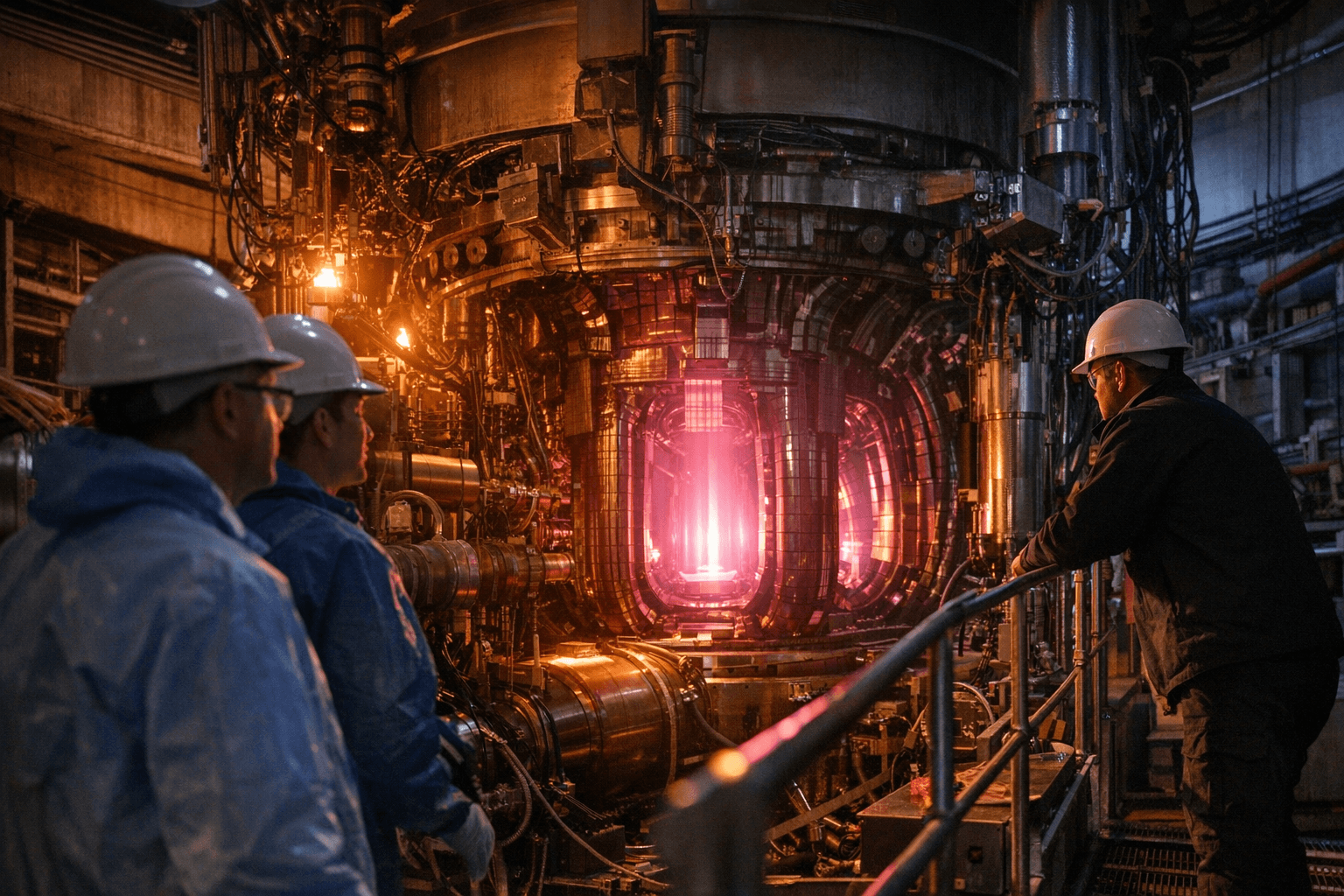
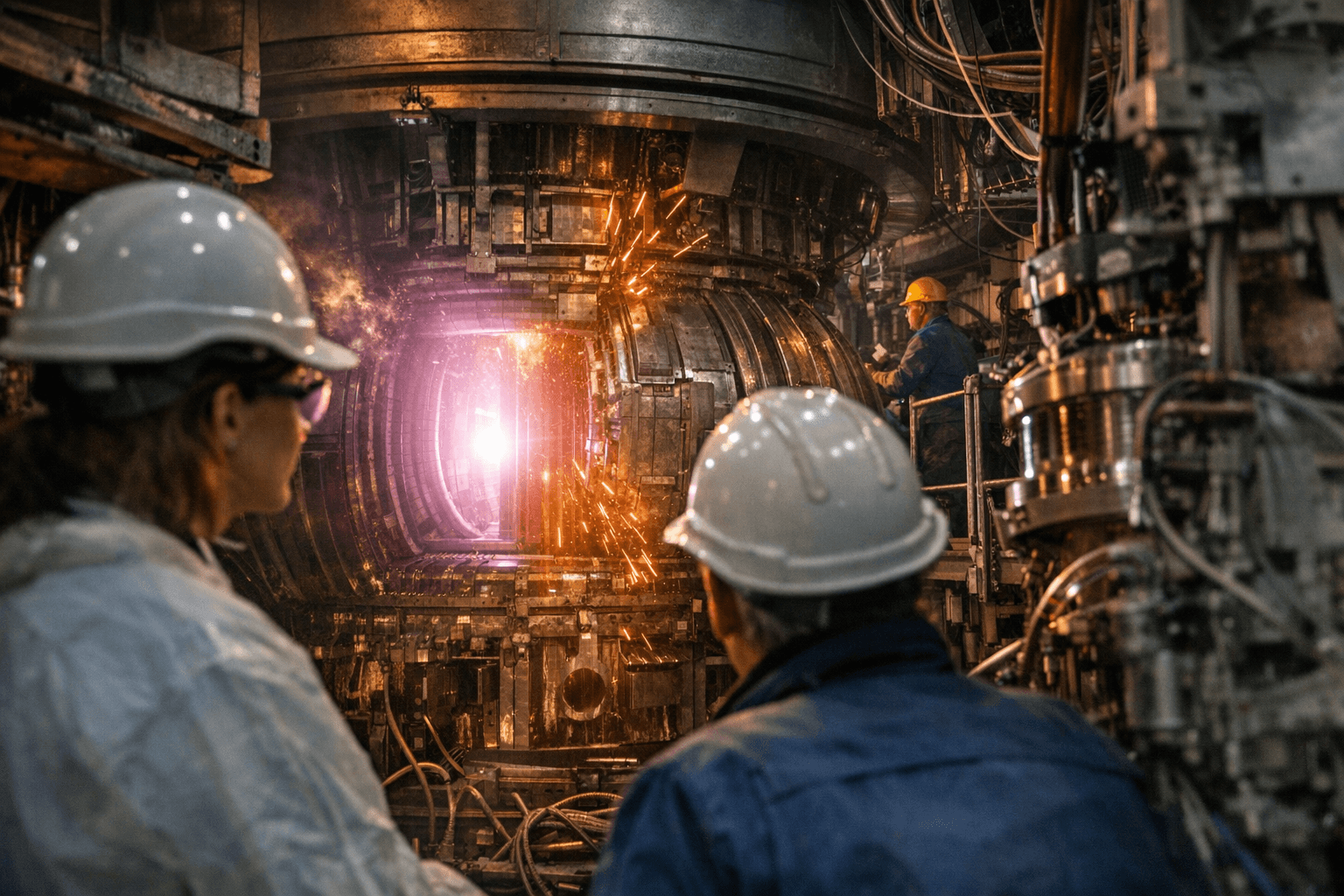
The fusion allocation is where the programme plants its flag most visibly. The work programme will invest €222 million to bring fusion energy from the laboratories to the power grid, and that sum will enable the establishment of a new European Public-Private Partnership for fusion energy. While maintaining a focus on excellent science through EUROfusion, the new Euratom work programme will support developing the European fusion industry and foster the emergence and growth of innovative fusion startups and SMEs, introducing the first calls under that new Public-Private Partnership to help mature key technologies for future fusion power plants.
The €108 million fission envelope covers a wider range of priorities. The 2026-2027 work programme will most notably support key safety research for the long-term operation of existing power plants, as well as future small modular reactors and advanced reactor designs, and it reinforces European partnerships in waste management through EURAD, nuclear materials through CONNECT-NM, and radiation protection through PIANOFORTE. Research into non-power applications of ionising radiation continues to be an important part of the programme, with actions in support of a secure supply of medical radioisotopes in Europe, notably used in cancer care.
Workforce development runs through the entire programme. Researchers' mobility through Horizon Europe's Marie Skłodowska-Curie Actions and improved open access to research infrastructures continue to be encouraged, and the Euratom Research and Training Programme fosters initiatives on skills, notably through the European Nuclear Skills Academy, facilitating workforce mobility and increased gender balance in the nuclear sector. The programme also aims to attract new talent to the nuclear sector from within and outside the EU, including through Marie Skłodowska-Curie fellowships, and to facilitate access to over 230 research infrastructures across Europe.
The geopolitical context hanging over this programme is hard to ignore. The programme arrives in the wake of the Nuclear Energy Summit in Paris on March 10, where President von der Leyen unveiled the EU's Strategy on Small Modular Reactors, and forms part of a broader push to secure Europe's energy independence and hit carbon neutrality by 2050. The current Euratom programme ran from 2021 to 2025 and was extended by the Council in 2025 by two years, to be aligned with the EU's long-term budget through 2027. The 2026-2027 Work Programme aims to bolster the EU's energy independence, competitiveness and technological leadership, while progressing towards carbon-neutrality by 2050, in line with the priorities set in the Community Nuclear Illustrative Programme, the Net-Zero Industry Act, the Clean Industrial Deal and the Strategy on Small Modular Reactors.
The programme also supports Ukrainian nuclear research in integrating the European Research Area.
European Commissioner for Startups, Research and Innovation Ekaterina Zaharieva emphasised that "developing nuclear technologies will be crucial to ensuring our energy independence," and that it is essential to "accelerate fusion energy, with the ambition of being the first to bring fusion from the laboratory to the grid." With the first calls under the new fusion public-private partnership expected before the end of March, the programme moves quickly from political statement to open competition.
This article was produced by Prism’s automated news system from verified source data, official records, and press releases, then run through automated quality and moderation checks before publishing. The system is built and supervised by the people who set the standards it runs under. Read our full AI policy.
Did this article answer your question?