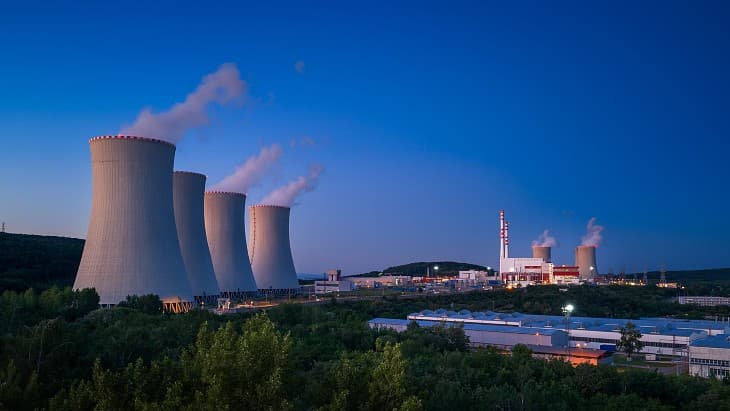
Finland's FiR1 Research Reactor Site Cleared of Nuclear Facility Status
STUK cleared Finland's FiR1 reactor site in Espoo of nuclear facility status in December 2025, closing a 64-year chapter on the country's first-ever reactor decommissioning.
_66490.jpg&w=1920&q=75)
Finland's Radiation and Nuclear Safety Authority ended regulatory oversight of the FiR1 research reactor site in Otaniemi, Espoo, last December, formally declaring the premises no longer a nuclear facility and clearing the building for repurposing. The decision marked the final regulatory step in Finland's first-ever nuclear decommissioning project, a milestone that took more than a decade from planning to completion.
STUK confirmed the site is radiologically indistinguishable from its surroundings. "The dismantled reactor area and premises in Otaniemi, Espoo, do not differ in any way from the surrounding area in terms of radiation safety," the authority stated, adding simply: "The building can now be repurposed."
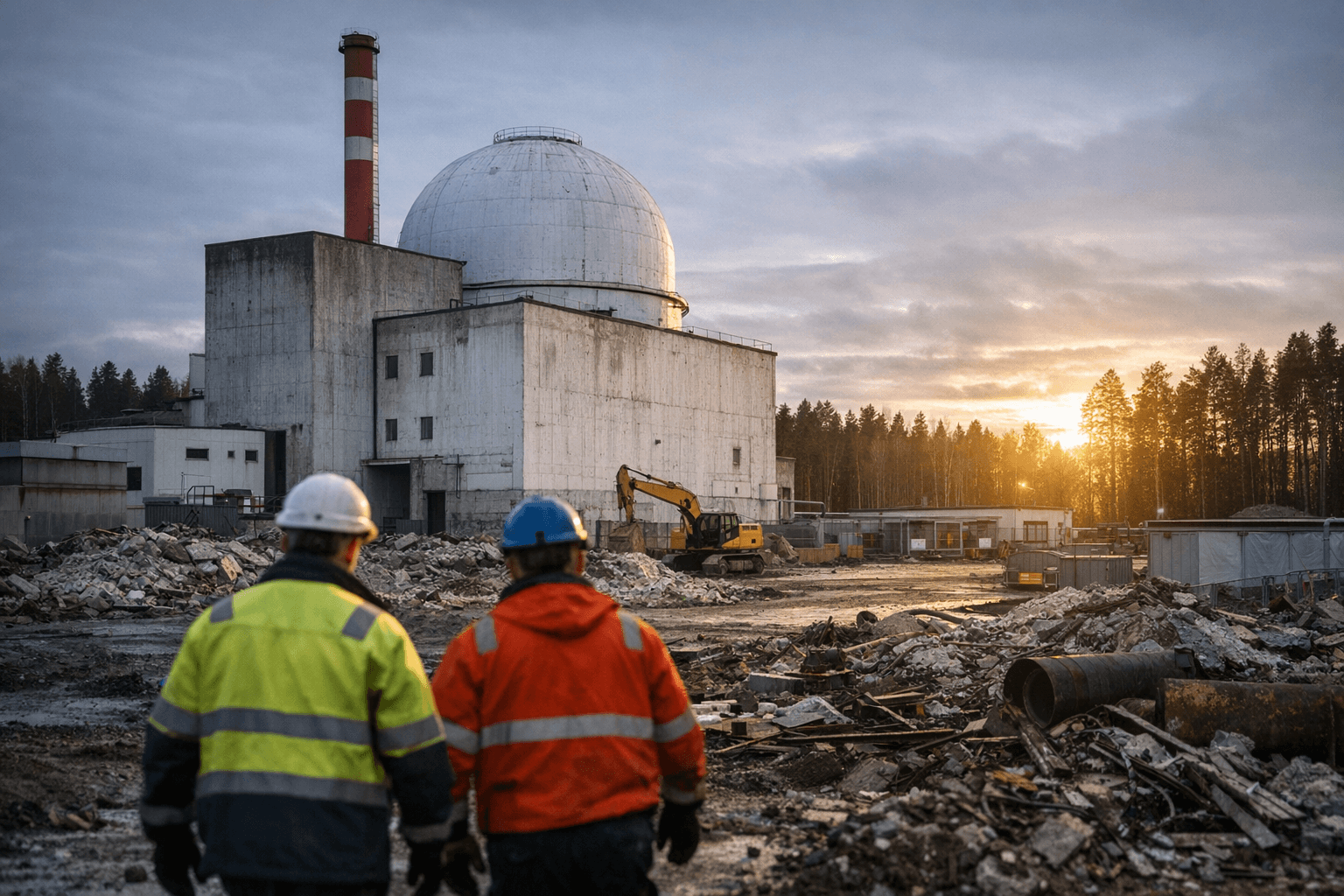
The reactor at the center of all this is about as Finnish as nuclear history gets. The FiR1, a water-cooled, pool-type TRIGA Mark II with a thermal output of 250 kW, was commissioned by the Helsinki University of Technology in 1962, making it Finland's first nuclear reactor. Operational responsibility passed to VTT Technical Research Centre in 1971, and the facility spent decades serving research, education, isotope production, and radiotherapy. After 1999, VTT ran it in collaboration with the Hospital District of Helsinki for cancer therapeutic purposes until that treatment provider ceased operations in 2012. Though licensed to operate until 2023, VTT decided that same year to stop use of FiR1 for financial reasons. The reactor ran for the last time on 30 June 2015.
The path from shutdown to cleared site took another decade of regulatory process. VTT conducted an environmental impact assessment between 2013 and 2015, submitted a formal decommissioning application to the Council of State in 2017, and received a licence under section 20 of the Nuclear Energy Act in June 2021. Spent nuclear fuel was returned to the United States between 2020 and 2021 before physical dismantling could begin.
Fortum Power and Heat, the utility that owns and operates the Loviisa nuclear power plant, took on the role of main contractor. Dismantling began in June 2023 and concluded in April 2024, a roughly ten-month campaign that VTT credited to meticulous preparation. "The dismantling phase was very swift, thanks to thorough planning and preparatory work. Additionally, it was crucial that we could leverage the strong nuclear safety culture and expertise from Fortum's Loviisa nuclear power plant. Fortum handled everything safely, efficiently, and on schedule without significant delays," said Airila of VTT.
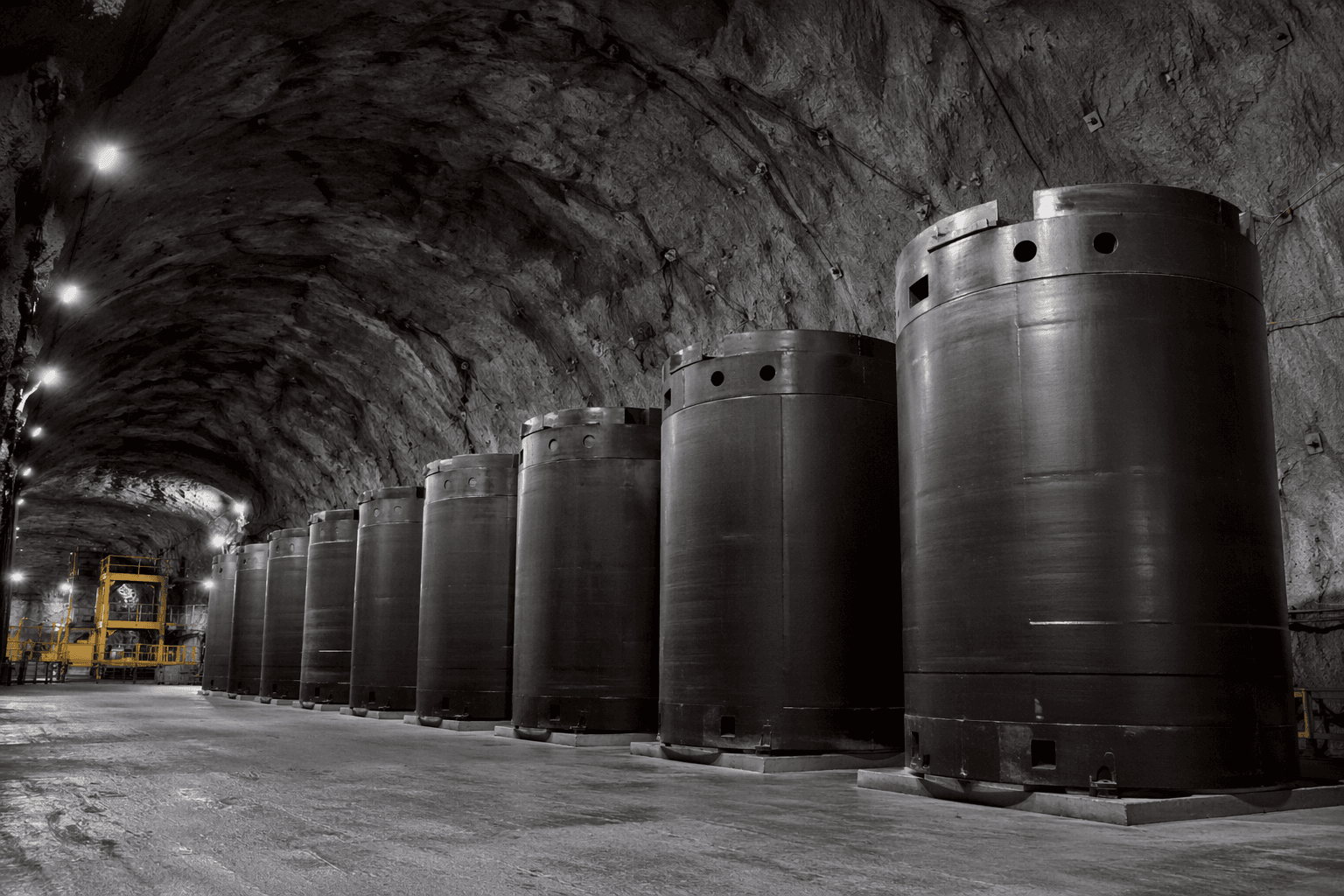
Radioactive waste generated during dismantling and laboratory decontamination was delivered to Fortum for disposal at the Loviisa plant's repository for low and intermediate-level waste. Because FiR1 served research and educational purposes rather than power generation, Fortum noted that the volumes and associated radioactivity of the decommissioning waste were relatively small. Total decommissioning costs came to approximately 24 million euros, pre-funded by the Finnish Nuclear Waste Management Fund.
VTT's Ketolainen drew a direct line from this project to Finland's commercial reactor future: "We gained a lot of lessons and experience from the FiR1 project, which we can use to develop our operations and support our service business customers, for example, in preparing decommissioning plans and cost estimates." VTT has described FiR1's decommissioning as establishing the national mechanism for nuclear decommissioning waste management, intended as a model when the country's power reactors eventually reach end of life.
That moment is not imminent. The decommissioning of Finland's nuclear power plants is not expected in the near term, but the country is currently reforming its nuclear energy legislation alongside complementary STUK regulations. The FiR1 project, from its 1962 commissioning through its quiet regulatory exit in late 2025, now sits as the baseline against which every future Finnish decommissioning will be measured.
This article was produced by Prism’s automated news system from verified source data, official records, and press releases, then run through automated quality and moderation checks before publishing. The system is built and supervised by the people who set the standards it runs under. Read our full AI policy.
Did this article answer your question?