France's WEST Tokamak Holds Plasma for Record 22 Minutes at 90M Degrees
France's WEST tokamak held plasma for 1,337 seconds at 50 million °C on Feb. 12, beating China's record by 4 minutes 29 seconds.
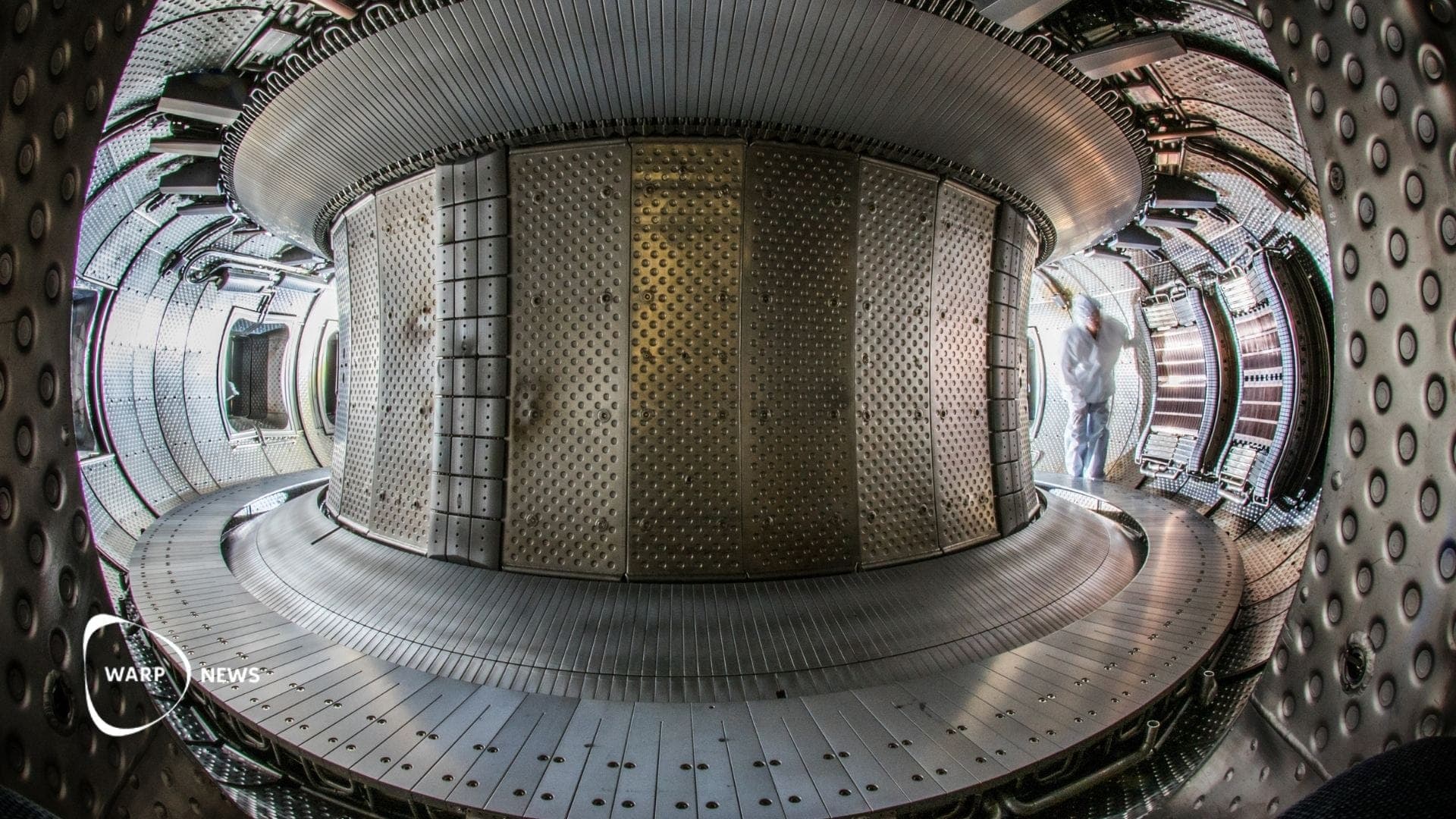
The WEST tokamak at CEA's Cadarache research center in southern France held a hydrogen plasma at 50 million degrees Celsius (90 million degrees Fahrenheit) for 1,337 seconds on February 12, 2025, setting a new world record for sustained plasma duration and pushing past China's competing benchmark by more than four minutes.
The run lasted 22 minutes and 17 seconds, powered by 2 megawatts of injected heating. That edges out the previous record of 1,066 seconds set by China's EAST tokamak in January 2025 by 271 seconds, a margin that amounts to roughly a 25 percent improvement in plasma duration.
"WEST has achieved a new key technological milestone by maintaining hydrogen plasma for more than twenty minutes through the injection of 2 megawatts of heating power," said Anne-Isabelle Etienvre, Director of Fundamental Research at the CEA. "Experiments will continue with increased power. This excellent result allows both WEST and the French community to lead the way for the future use of ITER."
The achievement is an engineering milestone rather than a net-energy result. At 50 million degrees Celsius, the plasma ran about three times hotter than the Sun's core but still well below the 100 to 150 million degrees Celsius that practical fusion power would require for net energy output. WEST is a research device; this test was designed to stress-test plasma stability and the machine's plasma-facing components, not to produce more energy than it consumed.

Keeping those components intact is the harder problem. WEST's divertor region uses tungsten for its heat tolerance, but the material demands careful management: damage to the tungsten or impurities migrating into the plasma can end a run prematurely. During the 1,337-second shot, heat and particle exhaust were handled well enough that the internal surfaces held without breaking down, a result that matters directly for the long-pulse machines being designed around this kind of operational data.
The most consequential audience for that data is ITER, the International Thermonuclear Experimental Reactor under construction nearby in southern France. Long-duration plasma confinement is a core requirement for any reactor that aims to extract net energy, and WEST's role is to generate the control and materials science that larger machines will need.
The CEA's stated next step is to run further experiments at increased heating power. What specific power levels and timelines Etienvre's team is targeting has not been publicly disclosed, but the direction is clear: longer pulses, hotter plasmas, and a tungsten divertor that needs to survive all of it.
Know something we missed? Have a correction or additional information?
Submit a Tip

