GAO Report Says Redefining Nuclear Waste Could Save Tens of Billions
A GAO report found the U.S. has no legal definition of "highly radioactive," and that gap could cost taxpayers up to $210 billion at Hanford alone.
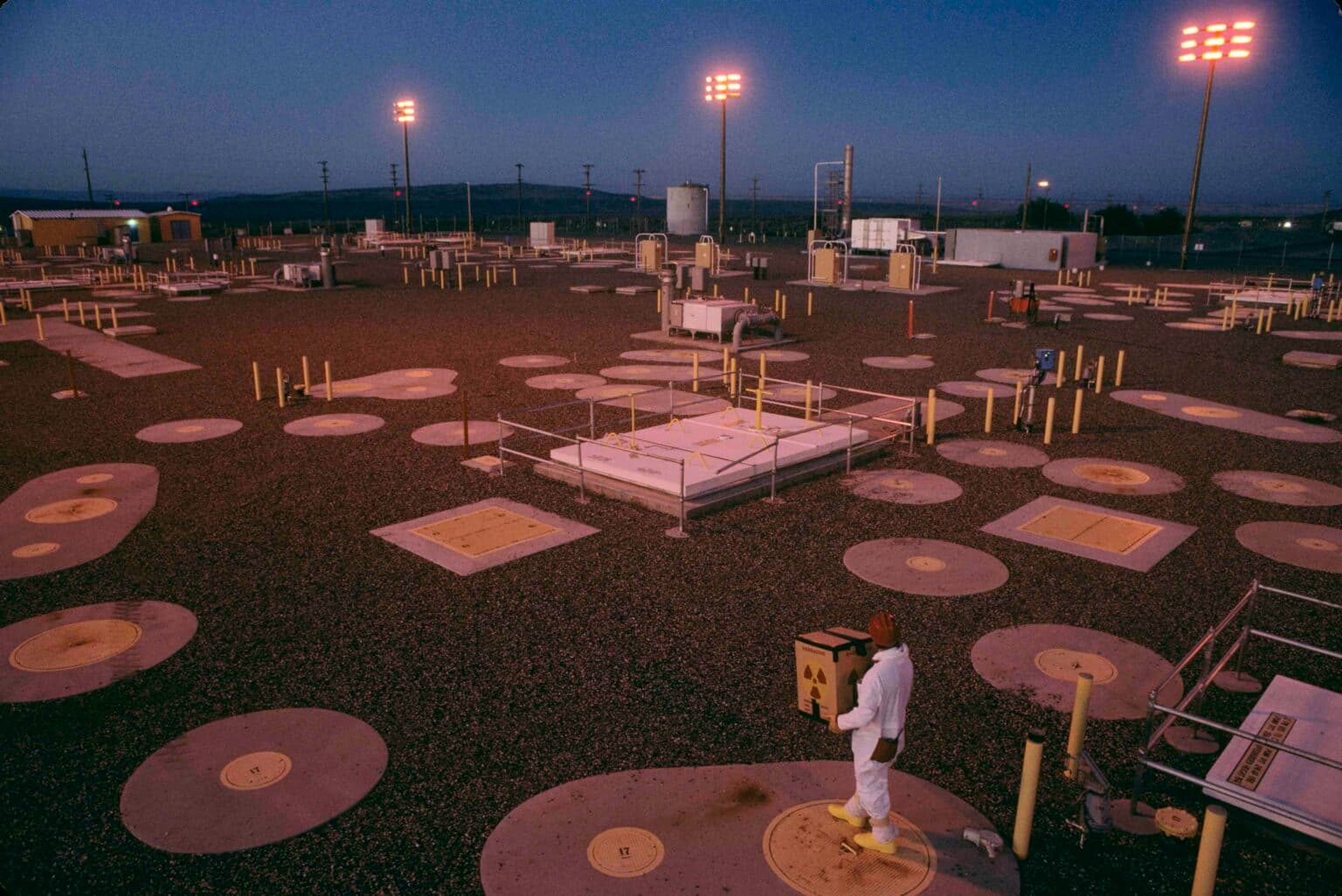
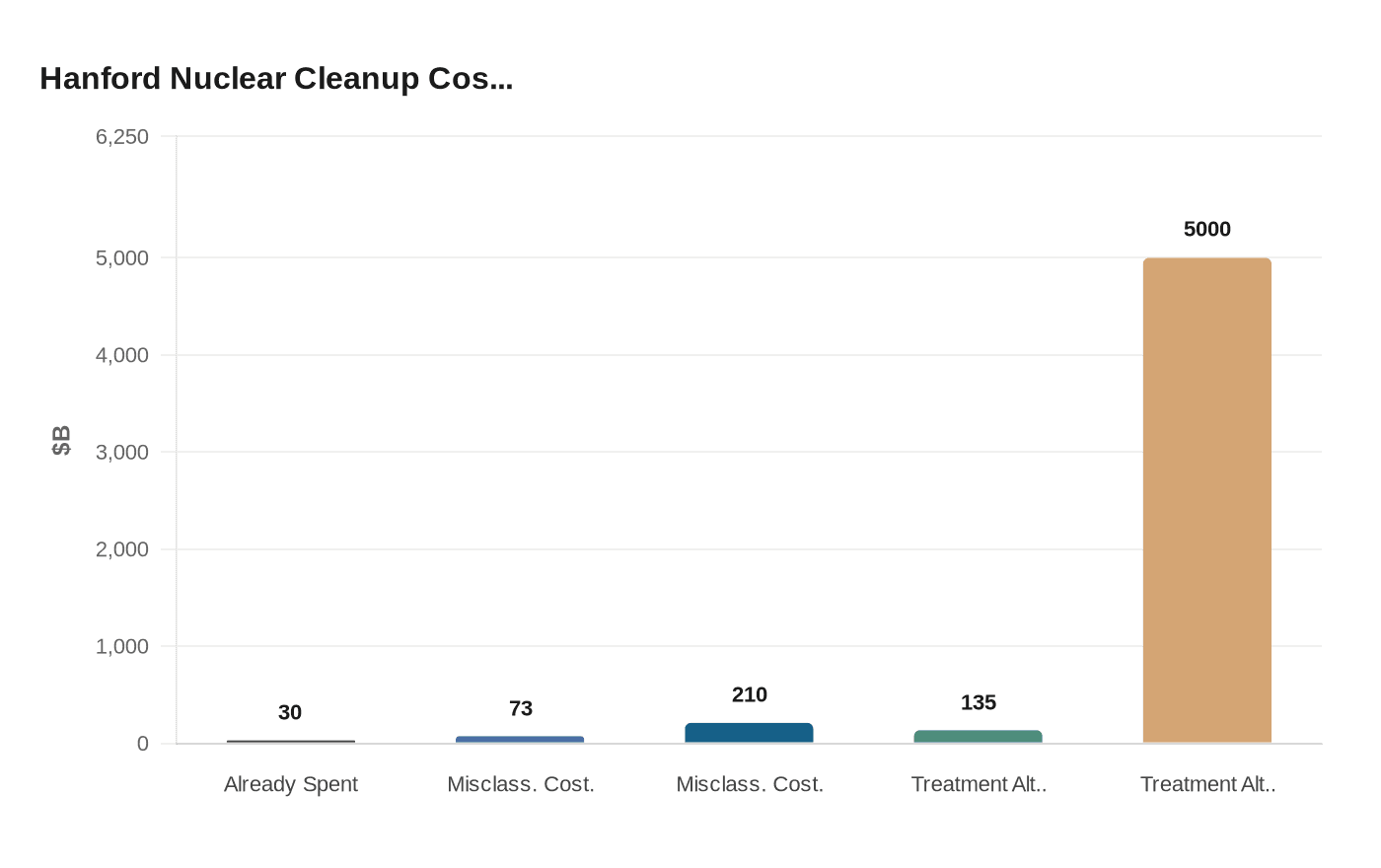
At Hanford, Washington, the federal government has spent more than $30 billion over two decades building a plant to vitrify nuclear waste into glass for permanent disposal. A GAO report released last week argues that a substantial portion of what that plant is being built to treat may not legally need to be treated as high-level radioactive waste at all, and that the misclassification could be costing taxpayers anywhere from $73 billion to $210 billion at that single site.
The report, GAO-26-108018, published March 25, identified a foundational flaw in U.S. nuclear cleanup law: the statutory definition of "high-level radioactive waste" does not define what makes waste "highly radioactive." That ambiguity has persisted for decades, and the GAO argued it has forced DOE's Office of Environmental Management to default to the most expensive disposition pathway for millions of gallons of reprocessing waste at Hanford, Savannah River in South Carolina, and Idaho, unless DOE can affirmatively show a given waste stream qualifies for a cheaper category.
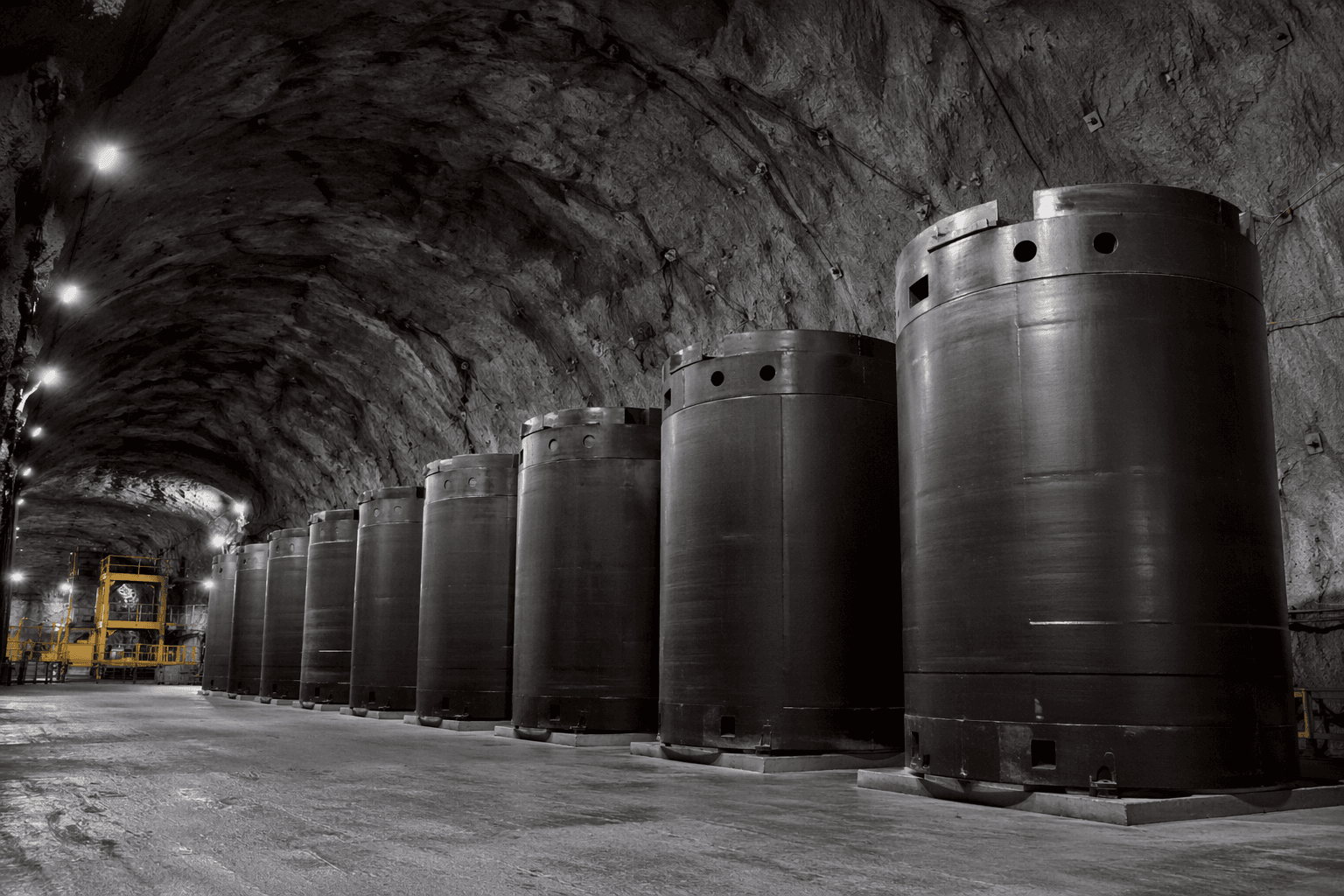
The most expensive pathway is a two-step process that has become the defining feature of U.S. nuclear cleanup: vitrification, in which liquid waste is immobilized in borosilicate glass, followed by disposal in a deep geological repository that still does not exist in the United States. Low-level radioactive waste and transuranic waste, by contrast, have existing licensed disposal facilities and can be managed with simpler technologies, including packaging, drying, or concrete immobilization, none of which require a repository.
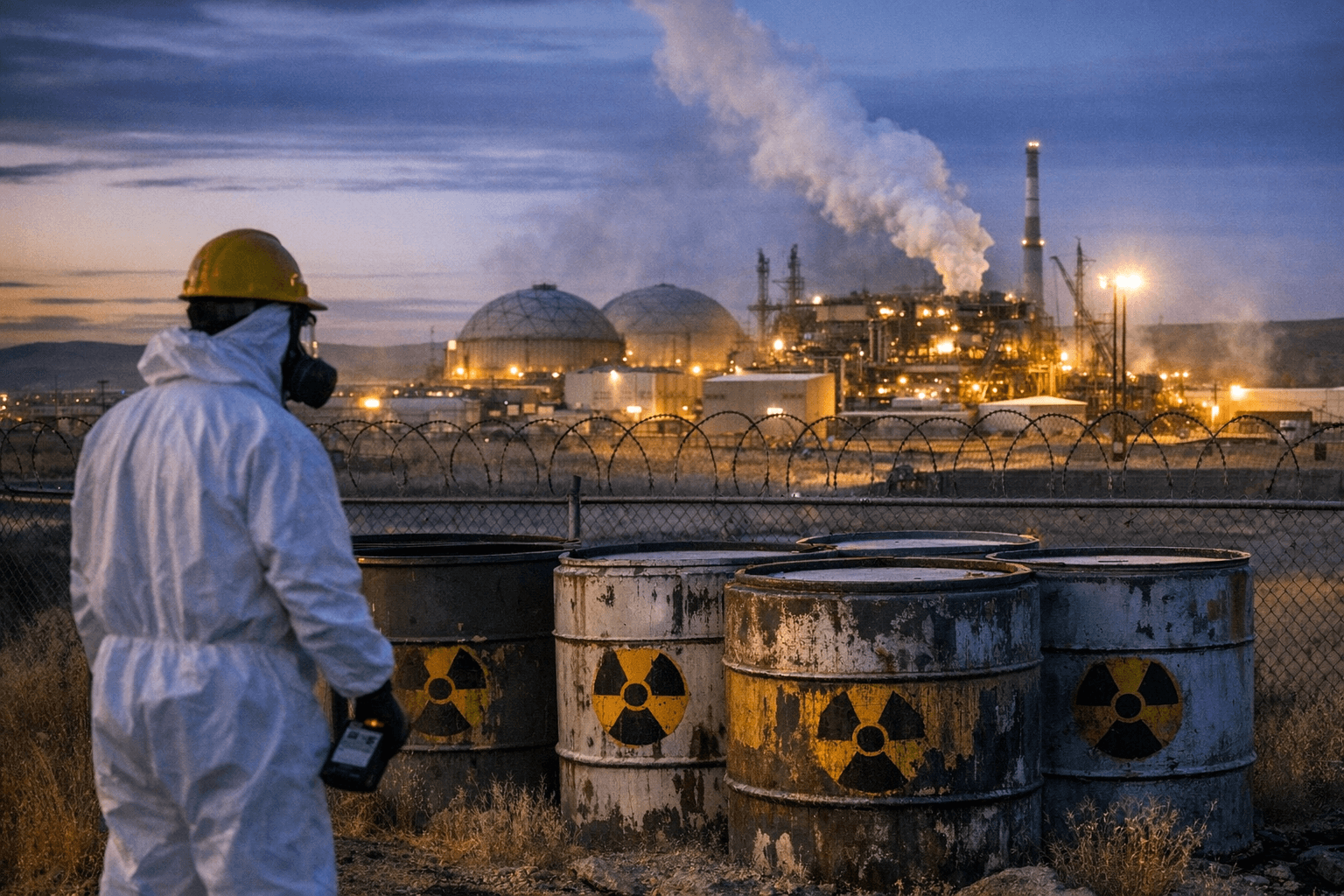
A 2023 analysis of 24 treatment alternatives for Hanford's high-activity waste put the full life-cycle cost range at $135 billion to $5 trillion depending on the treatment path chosen. That variance reflects how much the classification decision itself drives cost. GAO noted that a subset of tank waste is non-heat-generating, meaning it lacks one of the physical characteristics associated with the most hazardous HLW, and may qualify for lower-cost pathways.
Congressional action is what GAO says is required to resolve the core problem. DOE has existing internal reclassification processes, but the watchdog found each has legal or technical limitations that either prevent application to specific waste streams or leave DOE exposed to legal challenge. GAO recommended that Congress clarify the statutory definition, while DOE develops a consistent decision framework with structured stakeholder engagement built in.
That last piece matters because the communities surrounding these sites carry long memories and legal standing. Washington State's Department of Ecology, one of Hanford's Tri-Party Agreement partners, has its own standing position on the HLW definition question, and any federal reclassification effort requires navigating state regulators, tribal nations, and public consent agreements. The Holistic Agreement finalized in 2025 already altered how some of Hanford's low-activity waste is to be treated and disposed, a preview of how contested those negotiations can become.
Congressional hearings and a formal DOE response to GAO's recommendations are expected to follow. With Hanford's Low-Activity Waste Facility having only just begun vitrification in October 2025 and high-level waste treatment not due to start until 2033 under the existing consent decree, the reclassification debate will shape the next phase of the costliest cleanup program in American history.
This article was produced by Prism’s automated news system from verified source data, official records, and press releases, then run through automated quality and moderation checks before publishing. The system is built and supervised by the people who set the standards it runs under. Read our full AI policy.
Did this article answer your question?