IAEA completes long-term safety review of South Africa's SAFARI-1 reactor
The IAEA completed a five-day SALTO-RR safety review of SAFARI-1 at Pelindaba, flagging ageing-management gaps and recommending formal programmes to address equipment ageing.
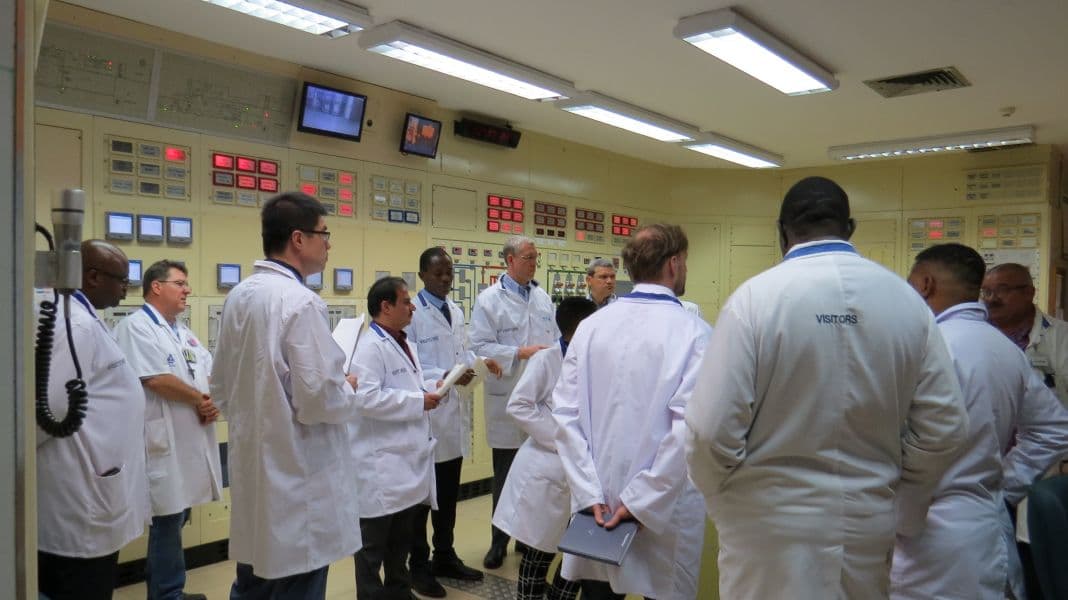
A six-person International Atomic Energy Agency SALTO-RR team completed a five-day mission to review SAFARI-1, the 20 MW tank-in-pool research reactor at Pelindaba, with the review focused on ageing management and continued safe operation. The mission, requested by the South African Nuclear Energy Corporation (NECSA), carried out facility walkdowns, examined safety and technical documentation, and held detailed discussions with SAFARI-1 counterparts and managers.
The IAEA team included experts from Australia, Ghana, the Kingdom of the Netherlands and Pakistan, plus two IAEA staff. Representatives from the South African National Nuclear Regulator (NNR) participated as observers. The mission assessed the 61-year-old reactor’s programmes against long-term operation principles used in the SALTO family of peer reviews, which examine strategy and key elements for safe long-term operation of nuclear facilities.
On findings, the IAEA team reported that SAFARI-1’s management and technical staff "had a strong commitment to and involvement with the assessment" and recommended establishing formal programmes to address the ageing reactor’s equipment. The team provided a draft report to plant management and to the South African National Nuclear Regulator at the end of the mission. "They will have an opportunity to make factual comments on the draft. A final report will be submitted to the plant management, the NNR and the South African Government within three months."
The SAFARI-1 mission sits alongside separate IAEA SALTO activity at the Koeberg nuclear power plant, where a follow-up SALTO review focused on long-term operation of Units 1 and 2. Koeberg’s Unit 1 entered commercial operation in 1984 and Unit 2 in 1985. One IAEA team leader, Nuclear Safety Officer Bryce Lehman, said of the Koeberg follow-up: "The team observed that the plant is addressing the SALTO team’s suggestions and recommendations from the 2022 review," and added, "Based on its efforts, the plant has made significant improvements in ageing management and resolved most of the issues identified in 2022. The plant is on track to complete the remaining items in a reasonable timeframe."

The NNR has framed regulatory requirements for continued operation at Koeberg around compliance assurance, periodic safety reviews, and a plant life-extension business case that identifies replacement of key components, naming steam generators, the Unit 2 reactor vessel head and refuelling water storage tanks. The regulator’s paperwork also lists deadlines and steps from past safety submissions and seismic studies that underpin long-term operation cases.
For practitioners, operators and regulators, the SAFARI-1 review underscores a familiar message: ageing reactors need formalised, resourced programmes and timely follow-through on recommendations. NECSA and the NNR will have a window to comment on the draft report, and the final report due within three months should clarify specific corrective actions and timelines. Expect follow-up scrutiny and targeted work on equipment life-extension planning as South Africa balances long-term operation with robust ageing management.
This article was produced by Prism’s automated news system from verified source data, official records, and press releases, then run through automated quality and moderation checks before publishing. The system is built and supervised by the people who set the standards it runs under. Read our full AI policy.
Did this article answer your question?