IAEA Review Finds Rwanda on Track for Nuclear Power by Early 2030s
Rwanda's first SMR could be online by the early 2030s, with the IAEA finding strong government commitment and active site surveys already underway.
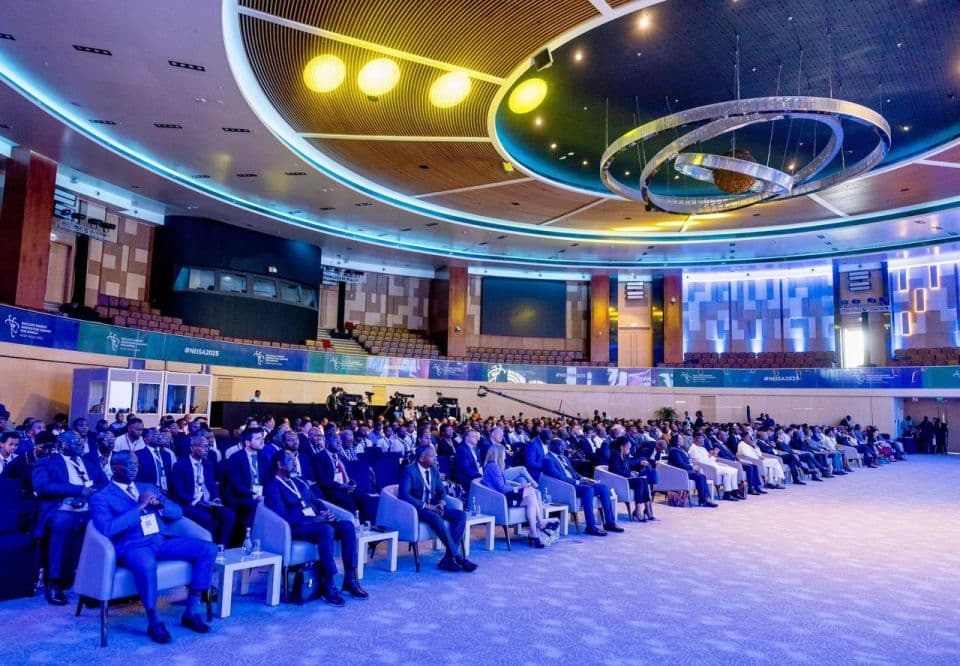
Rwanda has no nuclear reactors today, but an eight-day IAEA review conducted in Kigali from 2 to 9 March 2026 found the country making tangible headway toward a programme that could eventually supply 60% to 70% of its national electricity mix through small modular reactors.
The Integrated Nuclear Infrastructure Review mission, carried out at the request of the Rwandan government, wrapped up on 9 March with the IAEA publishing its findings publicly the following day. The 10-strong team included experts from Egypt, Estonia, Kenya and Pakistan alongside agency staff, and was led by Mehmet Ceyhan, Technical Lead of the IAEA Nuclear Infrastructure Development Section.
"Strong government support and the effective coordination of the preparatory work helped Rwanda make significant progress towards deciding on a nuclear power programme," Ceyhan said. "The level of preparation and involvement from all participating organisations and teams during the mission reflected a deep commitment to the programme."
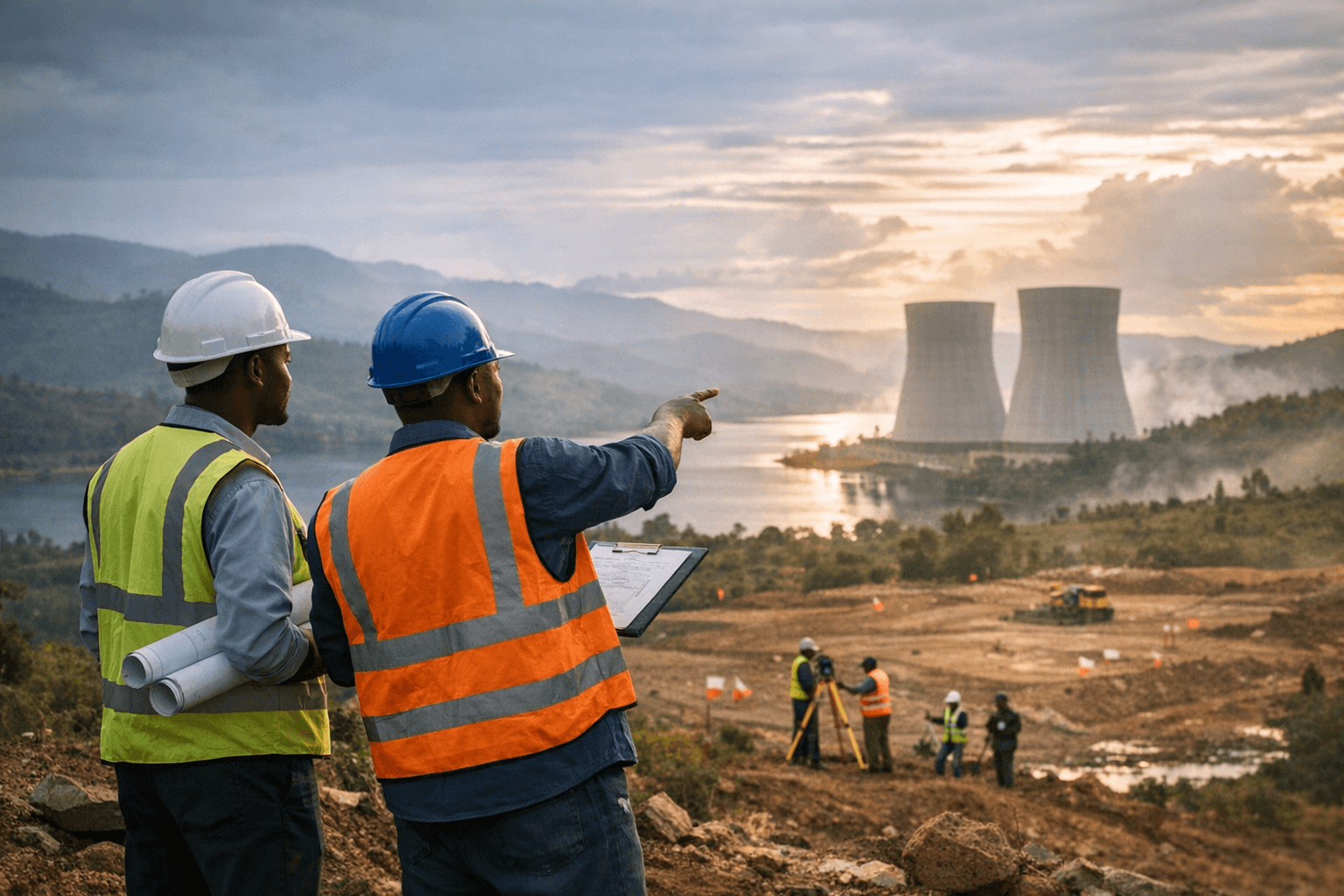
The review assessed Rwanda's preparations across infrastructure development, regulatory frameworks, legal architecture, emergency preparedness and response arrangements, and active site surveys to identify locations for a planned SMR project. Reviewers noted progress on drafting a comprehensive national nuclear law and on strengthening the regulatory framework for nuclear power, both of which remain works in progress but have advanced meaningfully since earlier assessments.
The IAEA did not hand Rwanda a clean bill of health without conditions. Recommendations coming out of the mission include finalising the national report that will formally support the decision to introduce nuclear power, completing the legislative review, and further developing the policies and strategies that will underpin the programme. To move those tasks forward, the IAEA and Rwanda have agreed to develop an integrated work plan covering the next stages of nuclear infrastructure development and providing continuing technical support.
Rwanda's Minister of Infrastructure, Jimmy Gasore, framed the review as a quality-assurance mechanism rather than an external imposition. "Rwanda remains firmly committed to the responsible, safe and transparent development of nuclear power infrastructure," he said. "The IAEA's review provides us with invaluable guidance to ensure that our national framework aligns with international safety standards and global best practices."
The political weight behind the programme reaches the highest level. President Paul Kagame, speaking at the recent Nuclear Energy Summit in Paris, stated that nuclear power will play a central role in Rwanda's long-term development strategy as the country works toward becoming a high-income economy by 2050. Nuclear energy is already embedded in the national energy policy as part of a broader effort to reduce dependence on imported electricity and fossil fuels, and medium- and long-term nuclear generation has been incorporated into both national energy sector strategies and the National Land-Use Master Plan.
Rwanda expects its first SMR to be operational by the early 2030s. With site surveys underway, a draft nuclear law taking shape, and an IAEA work plan now on the agenda, the procedural groundwork is being laid in earnest for that timeline to hold.
This article was produced by Prism’s automated news system from verified source data, official records, and press releases, then run through automated quality and moderation checks before publishing. The system is built and supervised by the people who set the standards it runs under. Read our full AI policy.
Did this article answer your question?