India clears Tarapur unit 2 for 10 more years after refurbishment
Tarapur unit 2 has been granted 10 more years after a major refurbishment, while NTPC pushes its first nuclear feasibility study and a wider private-sector role.
_48127.jpg&w=1920&q=75)
Tarapur unit 2 has been cleared to keep running for another decade, a move that does more than extend one reactor’s clock. It keeps one of India’s oldest commercial nuclear units on the grid, signals confidence in refurbishment-led life extension, and arrives as NTPC prepares to take its first formal step toward a larger nuclear buildout.
The Atomic Energy Regulatory Board approved the restart and continued operation of Tarapur Atomic Power Station unit 2 on 7 May after Nuclear Power Corporation of India Limited completed major refurbishment work. Tarapur units 1 and 2 were commissioned in 1969 as India’s first commercial nuclear power reactors, and the latest approval gives unit 2 another 10 years of operating life.
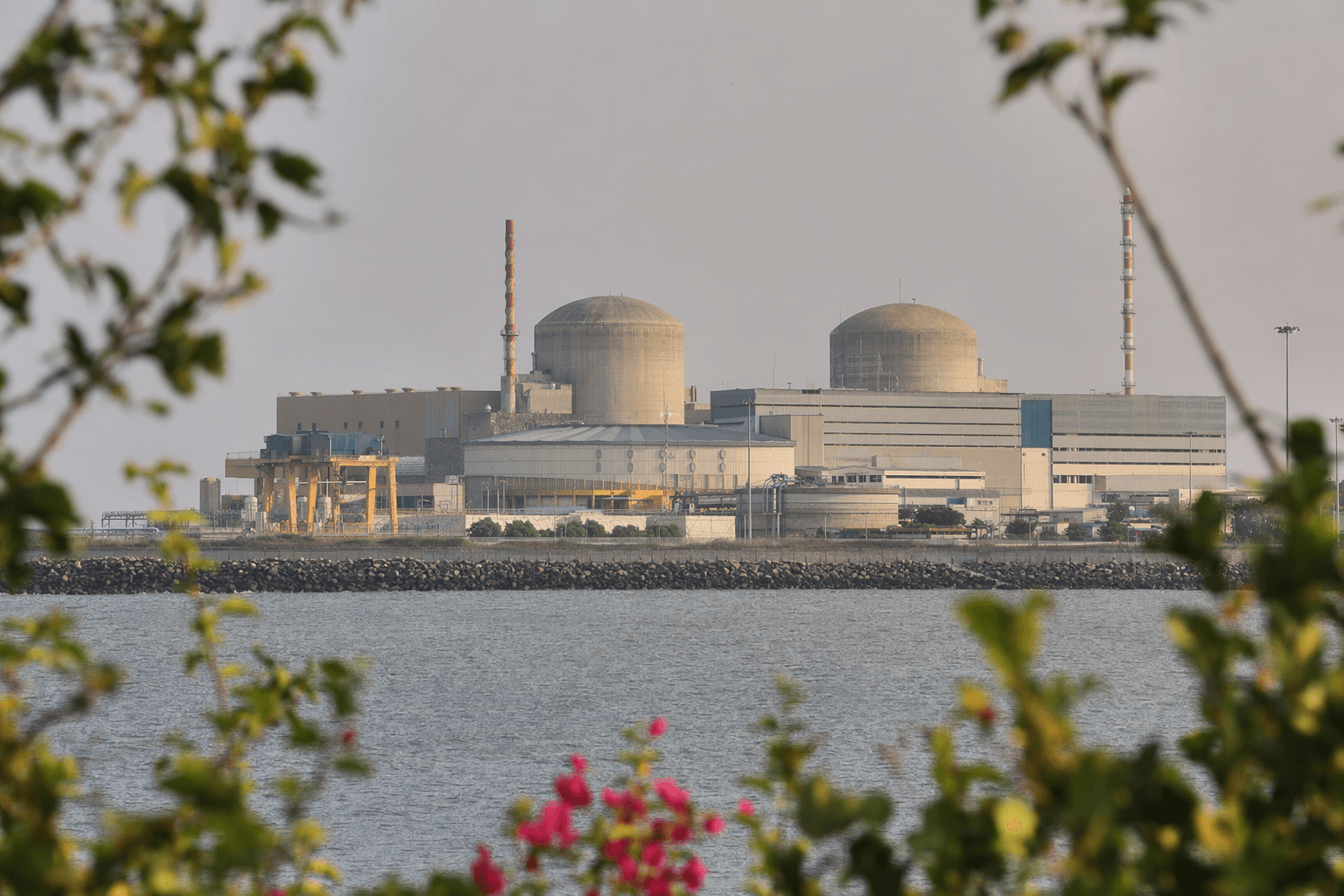
The upgrade package was substantial. The reactor coolant recirculation piping was fully replaced with forged stainless-steel piping and fittings, and the outage also delivered a Reactor Containment Filtered Venting System and an Alternate Cooling Water System. During the shutdown, inspectors examined critical components including reactor pressure vessel welds. The regulator concluded that the unit can continue safe operation under normal maintenance and surveillance, after working through its multi-tiered safety review process.
Tarapur unit 1 is already back in service after its own refurbishment and is operating at rated power. That makes the western Maharashtra site, near Boisar, a live test case for India’s aging fleet strategy: keep legacy reactors productive through heavy maintenance, then use that experience to support broader domestic expansion rather than waiting for a clean-sheet buildout alone.
.jpg&w=1920&q=75)
The policy picture is widening around the same time. NTPC is preparing to submit its first nuclear project feasibility study to the Department of Atomic Energy, a notable step for India’s largest integrated power company. The company is targeting 2 GW of nuclear capacity by 2032 and has been linked to feasibility work in Bihar and other states, including a proposed project in Banka district. One reported version of that plan sized the Bihar project at 2.8 GW with an estimated cost of about 56,000 crore.
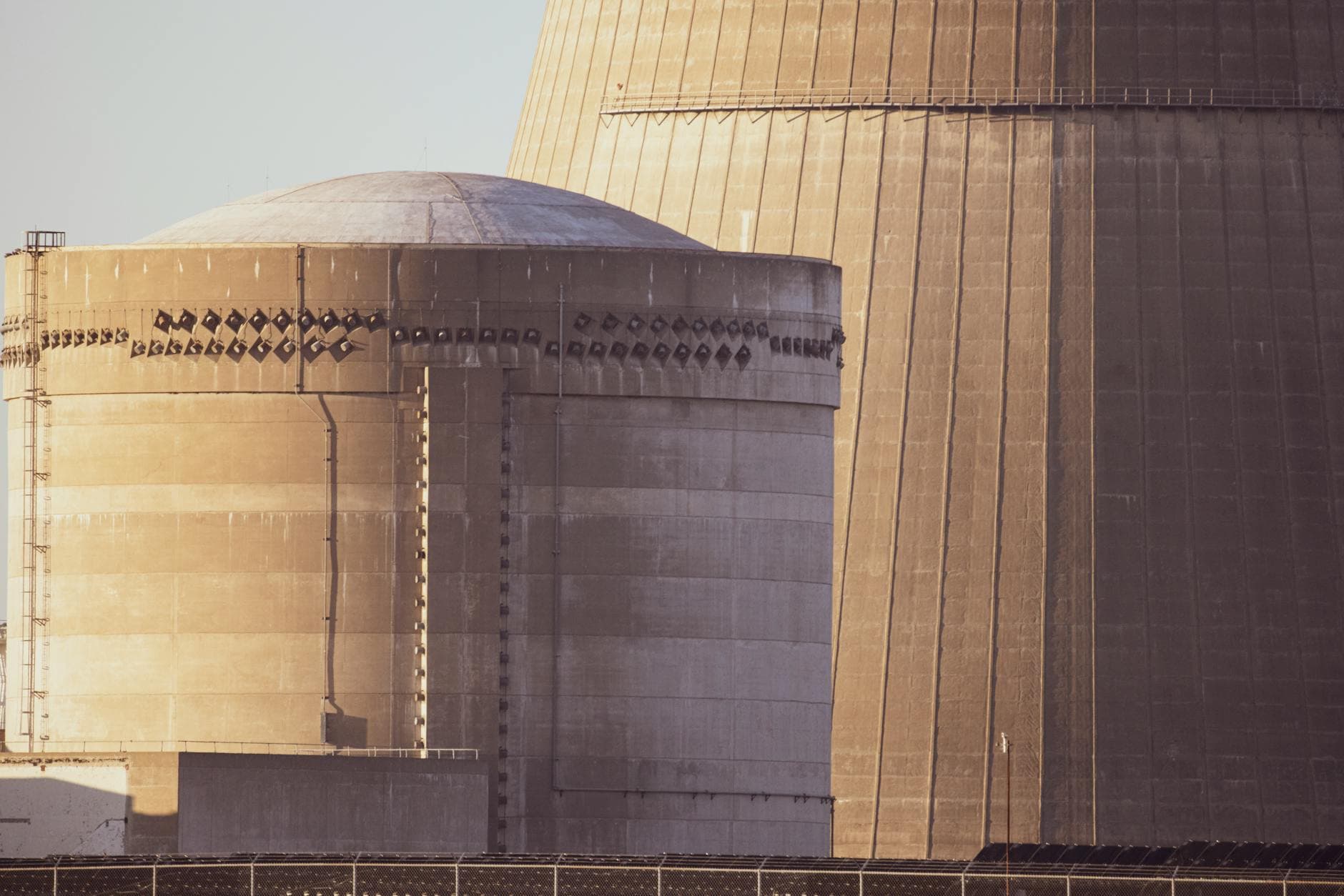
NTPC has also signed non-disclosure agreements with EDF and Rosatom to explore large pressurised water reactor projects across the project lifecycle. Put together, Tarapur’s 10-year extension and NTPC’s planning push show a dual-track strategy taking shape: preserve the country’s oldest operating reactors, and open a path for a broader mix of players in the next phase of nuclear capacity growth.
This article was produced by Prism’s automated news system from verified source data, official records, and press releases, then run through automated quality and moderation checks before publishing. The system is built and supervised by the people who set the standards it runs under. Read our full AI policy.
Did this article answer your question?


