Venezuela removes last HEU from shut-down RV-1 reactor for US processing
The last HEU has left Venezuela’s shut-down RV-1 reactor, closing a lingering proliferation risk. The cargo is headed to Savannah River Site for blend-down into civilian HALEU.
_81665.jpg&w=1920&q=75)
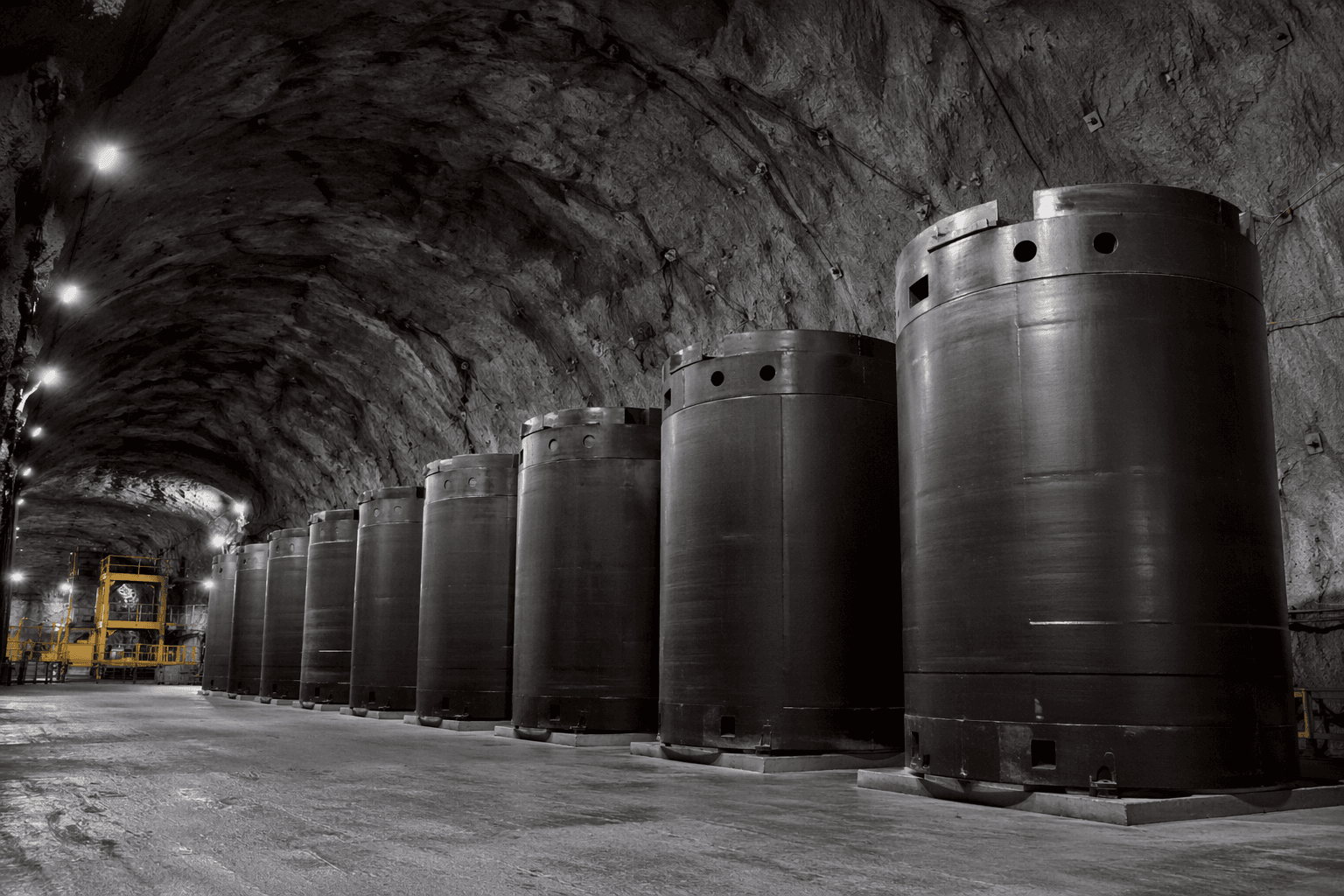
The last highly enriched uranium has been pulled from Venezuela’s shut-down RV-1 reactor, and the payoff is bigger than a cleanup. About 13 kilograms of HEU left the Venezuelan Institute for Scientific Research southwest of Caracas and went to DOE’s Savannah River Site in South Carolina, where it will be blended down into HALEU for civilian use in the United States.
That matters because RV-1 was not some abstract legacy asset. The State Department described it as Venezuela’s first and only nuclear reactor, built for peaceful scientific research and later repurposed for gamma-ray sterilization of medical supplies, food, and other materials. The reactor had been shut down since the early 1990s, but the remaining enriched uranium still carried a real security burden until the fuel was physically removed. The State Department said the mission finished more than two years ahead of the original schedule, and DOE’s National Nuclear Security Administration said it wrapped up all remaining enriched uranium from the legacy reactor in a matter of months.
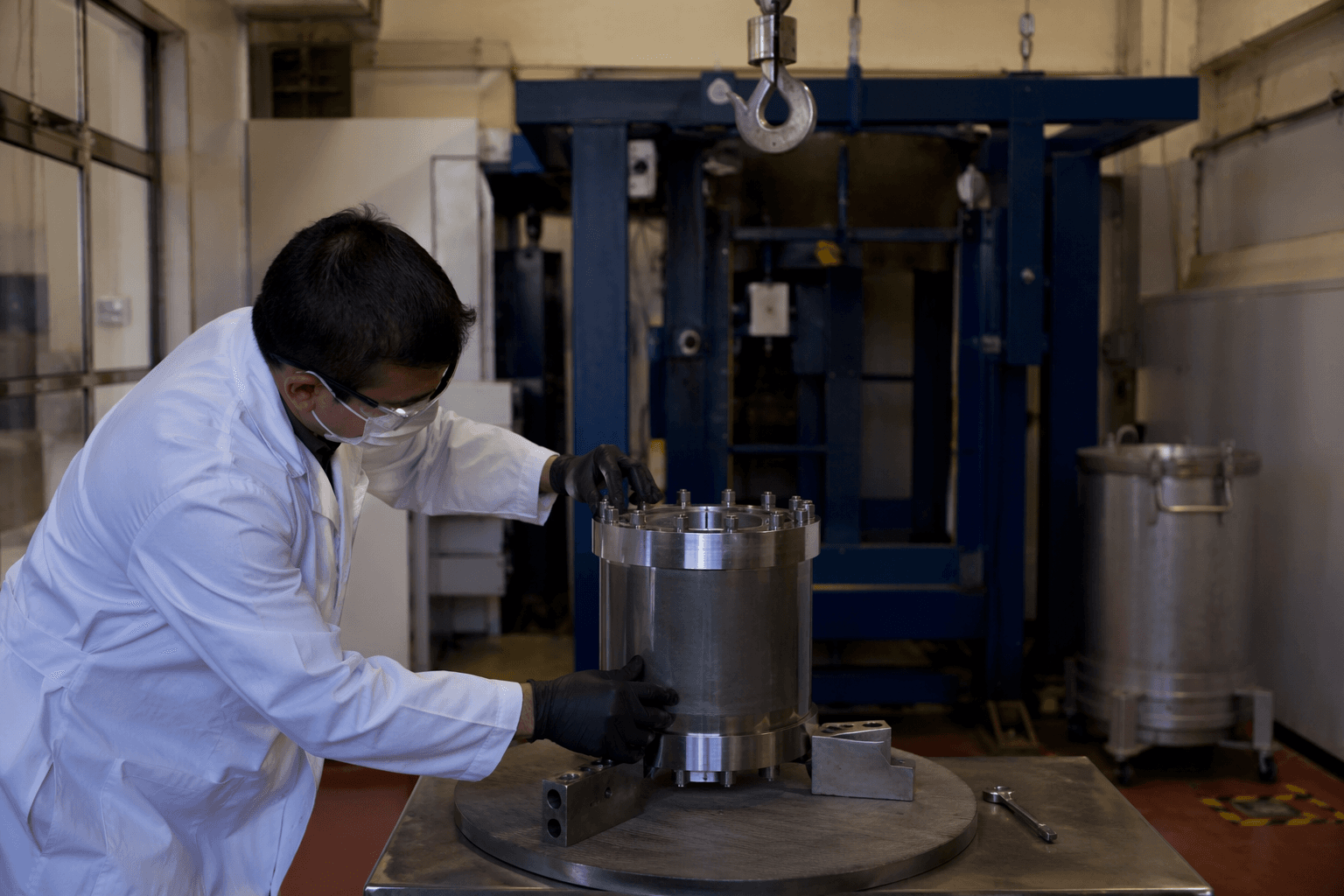
The operation only worked because several governments and the IAEA were all pulling in the same direction. The United States, Venezuela, the United Kingdom, and the International Atomic Energy Agency coordinated the transport, while the IAEA provided safety and security guidance, training, technical expertise, and safeguards oversight throughout the move. The State Department called it an accelerated mission, and the speed is the point: once the political and technical groundwork is in place, a sensitive fuel removal can move fast.
There is a wider nonproliferation lesson here as well. The IAEA’s Research Reactor Database tracks more than 800 research reactors in 71 countries, and the agency says roughly 3,500 kilograms of HEU have been removed from research reactor sites worldwide over the last few decades as countries convert from HEU to LEU fuel. RV-1 fits that pattern exactly. A reactor that long ago stopped operating still needed an active international cleanout before the fuel could stop being a liability.
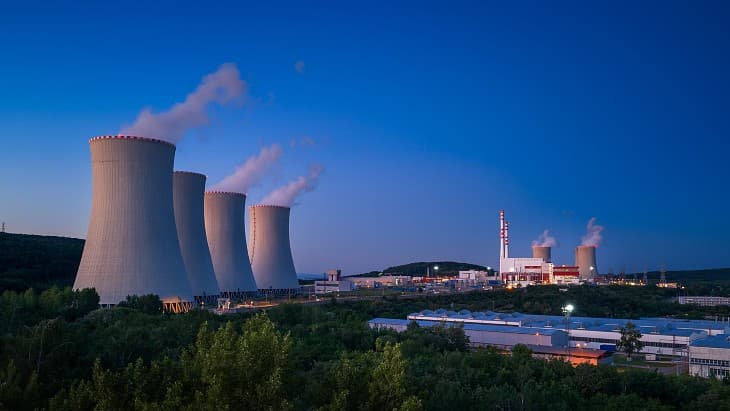
Savannah River Site makes the second half of the story just as important. In April 2025, DOE said it planned to blend down about 2.2 metric tons of HEU into about 3.1 metric tons of HALEU there, with the resulting material later sent to a commercial vendor for reactor-fuel fabrication. That means the Venezuelan uranium is entering a U.S. facility already central to the HALEU pipeline, turning a legacy security risk into a civilian fuel-cycle input. The last HEU is out of RV-1, and the old reactor’s most sensitive material is no longer a problem sitting in place.
This article was produced by Prism’s automated news system from verified source data, official records, and press releases, then run through automated quality and moderation checks before publishing. The system is built and supervised by the people who set the standards it runs under. Read our full AI policy.
Did this article answer your question?