India’s NFC-Kota wins operation licence for 500-tonne fuel output
NFC-Kota has moved from hot commissioning to operation, unlocking 500 tonnes a year of PHWR fuel output just as India lines up 700 MWe reactor builds.
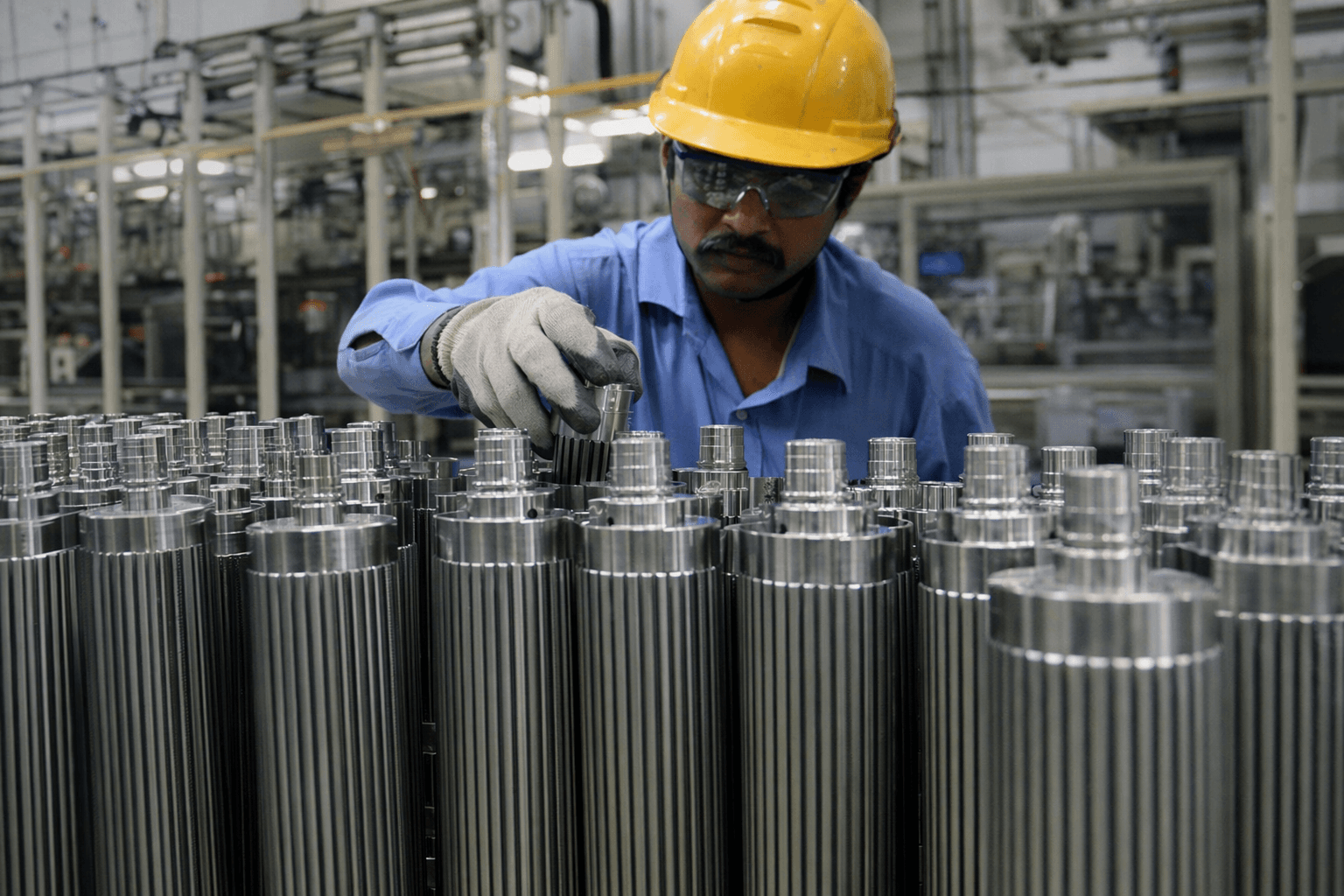
India’s Nuclear Fuel Complex has cleared a key upstream hurdle: the Atomic Energy Regulatory Board has granted NFC-Kota an operating licence for a 500-tonne-a-year fuel line at Rawatbhata, Rajasthan, turning a long-planned facility into a working part of the country’s PHWR supply chain.
The licence, issued on April 24 and posted publicly on April 28, authorizes the plant to supply natural UO2 fuel bundles for India’s 700 MWe pressurised heavy water reactors. That matters because fuel availability is not a side issue in PHWR construction. It sits in the critical path between civil completion, hot commissioning and the point where a unit can actually load core fuel and move toward startup.
AERB said NFC-Kota had already received hot commissioning consent on November 17, 2025, and submitted its operating application on March 17, 2026. The regulator concluded the plant met its safety codes and licensing requirements covering nuclear and radiation facilities, site evaluation, quality assurance, fire protection and the fuel-cycle approval process. The licence also permits disposal or transfer of radioactive wastes listed in an annex, with AERB describing the activities as low hazard and noting that waste-management and contamination-prevention systems are in place.
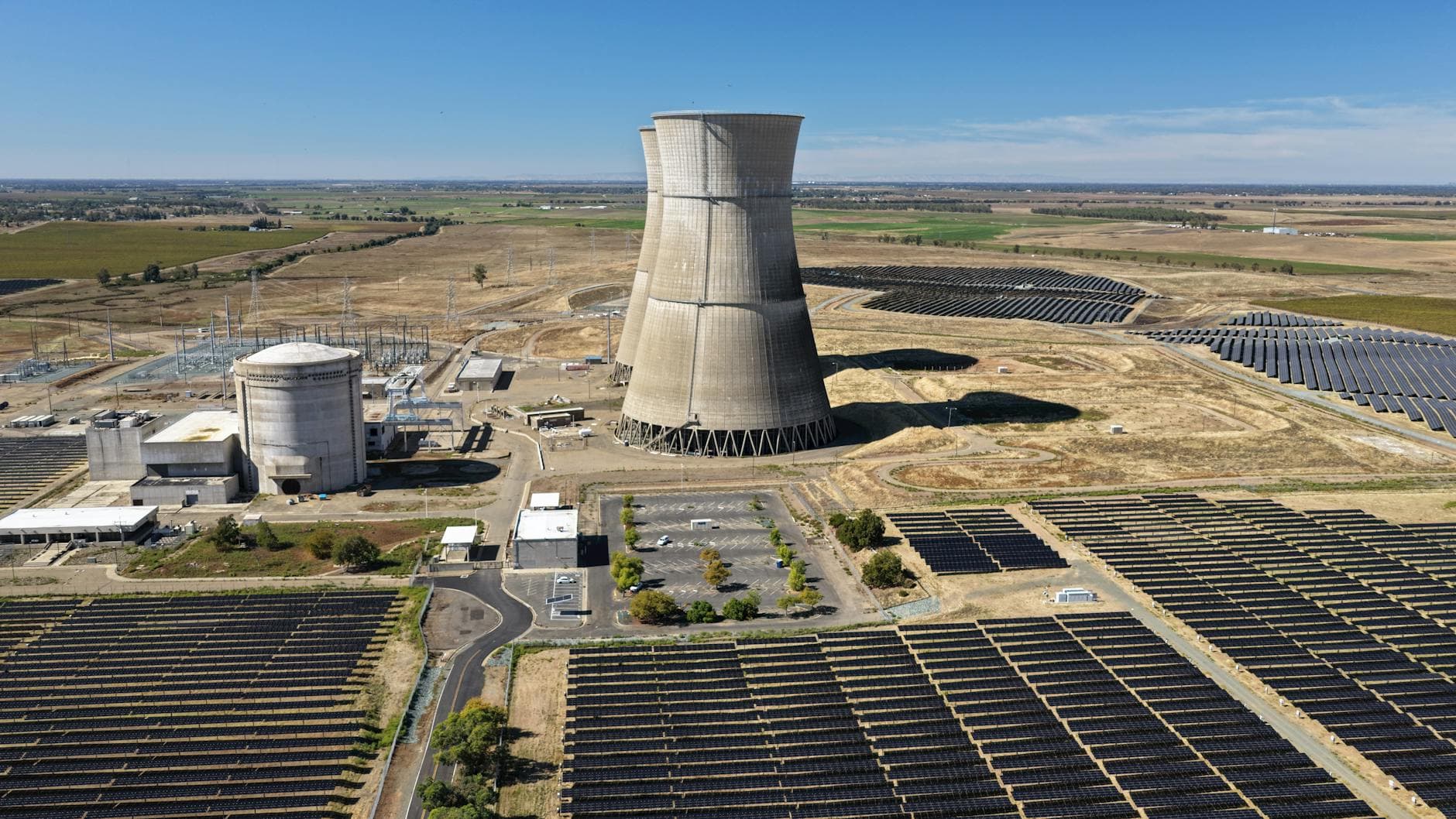
For India’s reactor program, the practical value is bigger than one plant’s annual output. NFC-Kota is a greenfield extension to NFC-Hyderabad, built at Rawatbhata to reinforce domestic fuel fabrication for a PHWR fleet that already dominates the country’s operating reactors. India has 22 operating reactors with 6,780 MWe of installed capacity, and 18 of them are PHWRs. In that context, a second dedicated fuel plant adds resilience to the front end of the fuel cycle, where any delay can ripple into refuelling schedules, startup sequencing and the handoff from commissioning teams to operators.
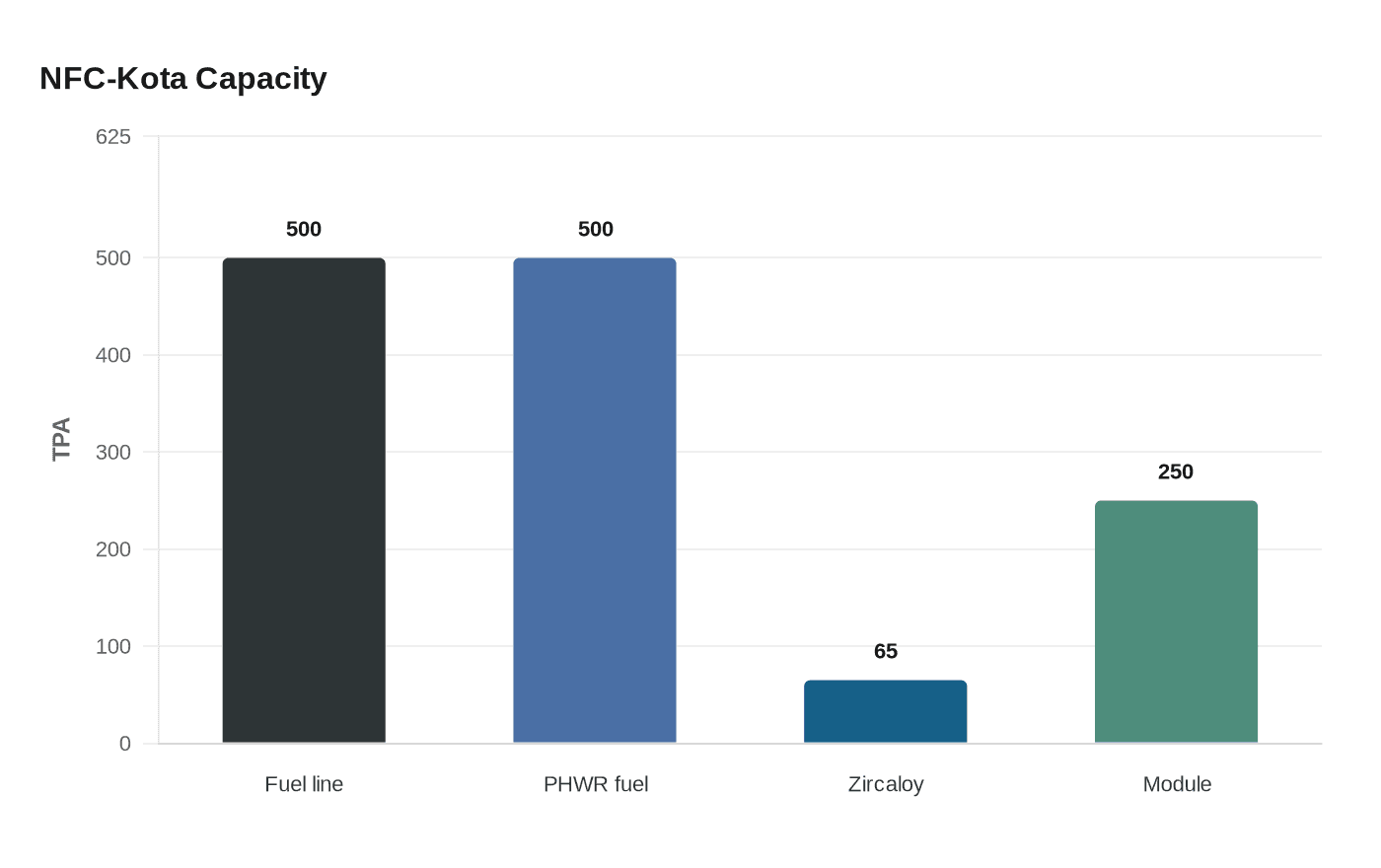
The scale is also significant. The licensed capacity is 500 metric tonnes of natural UO2 fuel bundles a year, matching earlier government and Nuclear Fuel Complex disclosures that described the project as a 500-TPA PHWR Fuel Fabrication Facility paired with a 65-TPA Zircaloy Fabrication Facility in phase I. The fuel plant itself was planned in two 250-TPA modules, a design that points to staged ramp-up rather than a one-shot debut.
That fits the broader buildout picture. In July 2024, Union minister Dr. Jitendra Singh said the project was in advanced stages of completion and would cost Rs 4,256.20 crore. The operating licence, valid through April 2031, now turns that capital outlay into a supply asset for the domestic nuclear program, one that could quietly decide whether India’s 700 MWe PHWR targets stay on schedule or stall waiting for fuel.
This article was produced by Prism’s automated news system from verified source data, official records, and press releases, then run through automated quality and moderation checks before publishing. The system is built and supervised by the people who set the standards it runs under. Read our full AI policy.
Did this article answer your question?