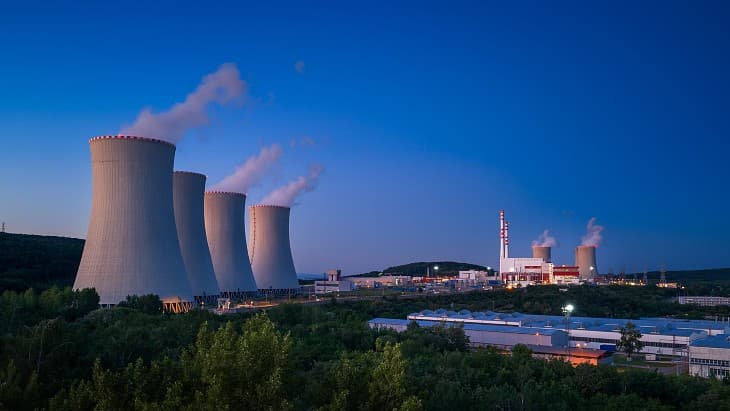
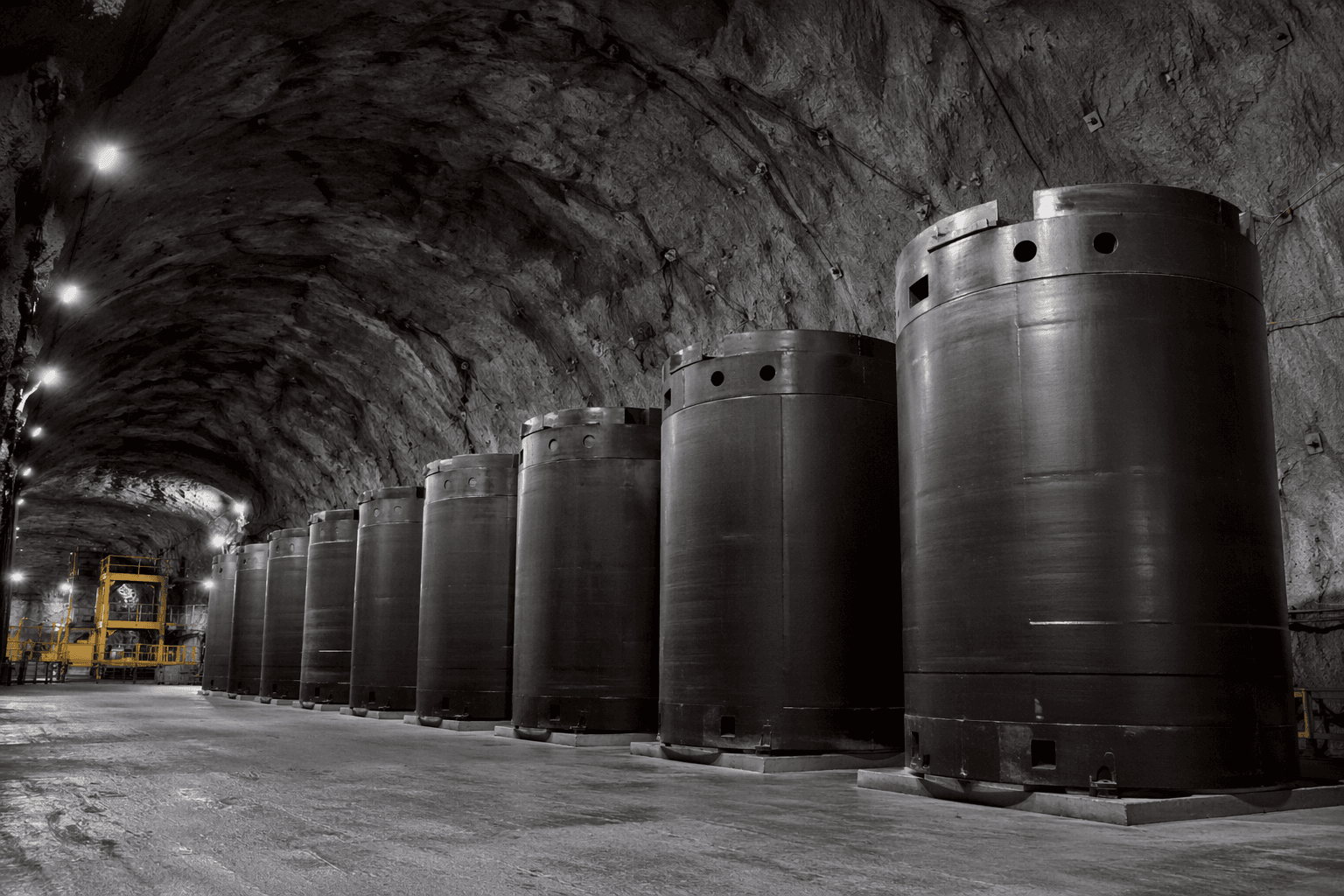
Zap Energy merges fusion and revived fission reactor plans for power markets
Zap Energy is pairing fusion with a revived Toshiba 4S reactor, betting a 10 MW sodium-cooled design can reach customers before fusion does.
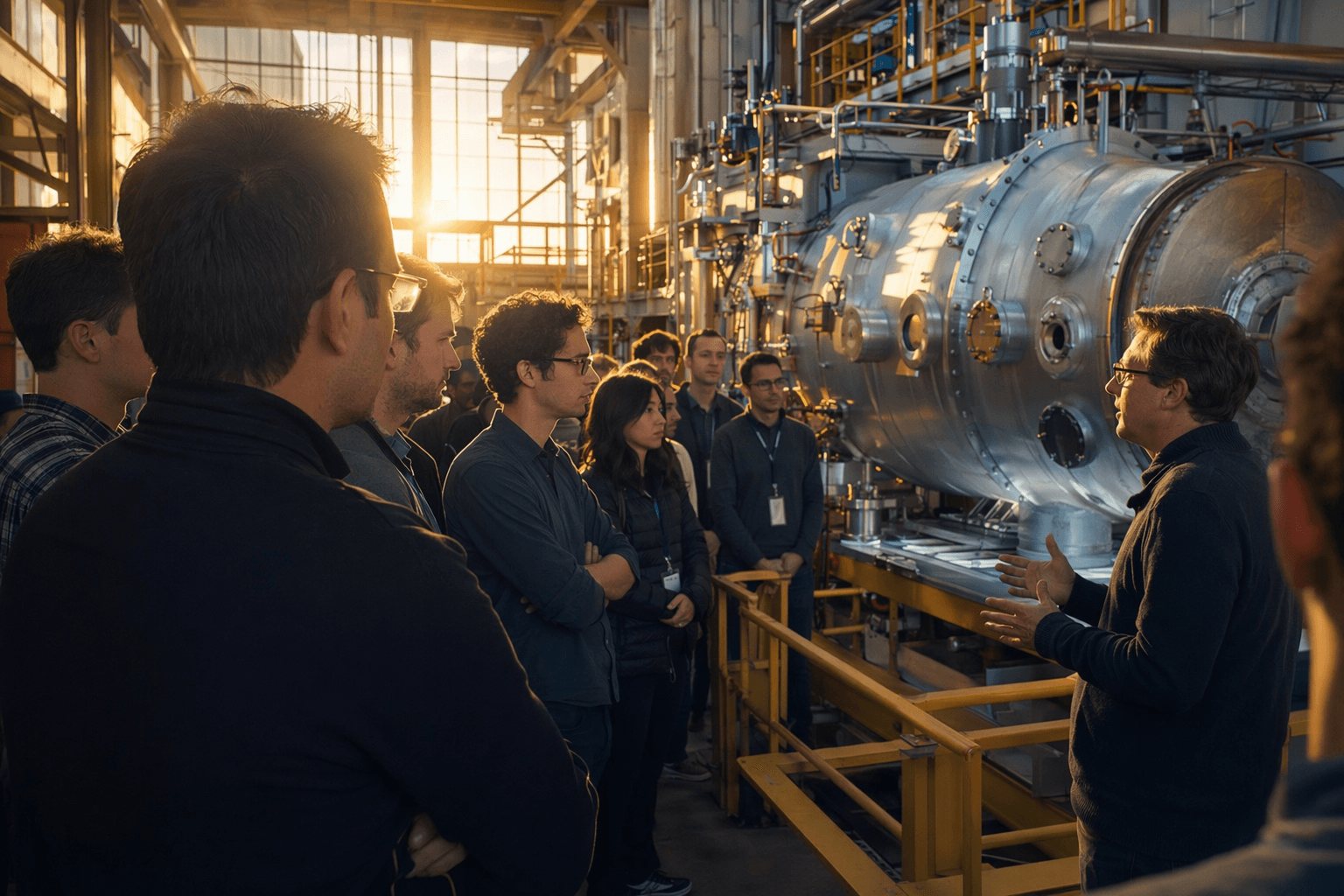
Zap Energy put a new corporate wrapper around an old nuclear bet on April 29, naming Zabrina Johal chief executive and shifting cofounder Benj Conway to president as it recast itself as an “integrated nuclear platform” spanning both fusion and fission. The move matters because Zap is no longer selling only a long-shot fusion story. It is now tying that story to a revived Toshiba reactor concept that was shelved after Fukushima and aiming it at the power-hungry customers driving today’s nuclear market.
The fission side centers on Toshiba’s 4S, a sodium-cooled fast reactor design that Toshiba submitted to the U.S. Nuclear Regulatory Commission for pre-application review in 2007. Historical materials describe the 4S as a small fast reactor with electrical output from 10 MW to 50 MW, and the 10 MW version was designed for a 30-year core lifetime without refueling. Zap’s pitch is that the overlap between fission and fusion is real enough to matter: liquid metals, neutron environments, high-power-density design, materials, supply chains and licensing. That is a much more practical claim than saying fusion will suddenly become easy.
Zap says the strategy was formalized over the past year and is aimed at distributed, industrial and data-intensive energy applications, with a commercial fission product targeted for the early 2030s. That timing is the heart of the business case. AI data centers and broader electrification are creating demand now, while fusion remains a longer development path. By reviving a microreactor concept that already has a regulatory history, Zap is trying to bridge the gap between near-term revenue and a future fusion platform.
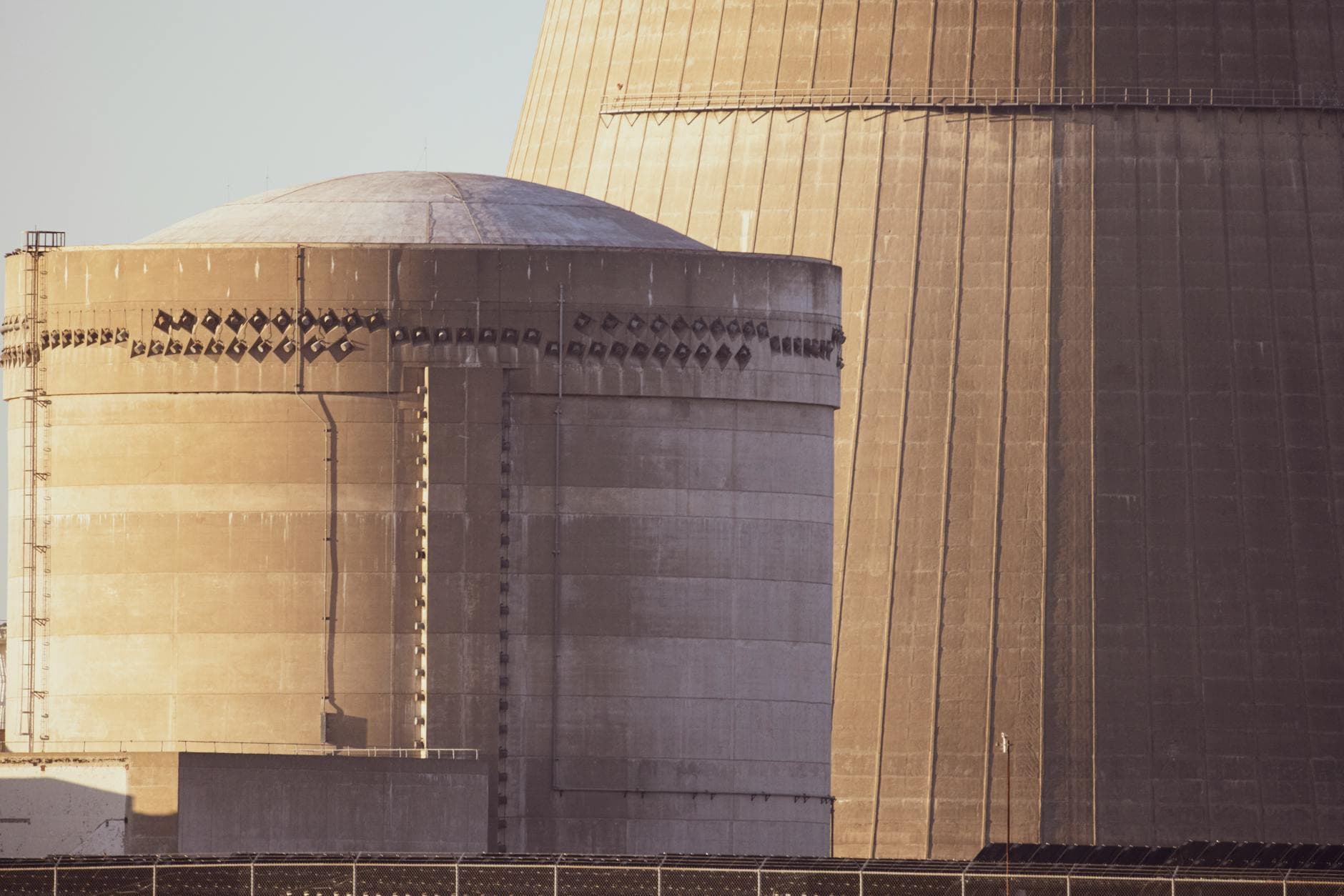
The question is whether that bridge is a shortcut or a detour. A sodium-cooled fission reactor is not just a new wrapper on fusion hardware. It brings its own safety case, component qualification work and licensing burden, even if Zap argues that the engineering base can be shared. Melanie Windridge warned that pairing fusion too closely with fission could open up alternative revenue streams while also creating risks around focus, funding allocation and public perception.
Zap enters that gamble with real fusion credentials. The company has raised more than $330 million, participates in the Department of Energy’s milestone-based fusion program, and says its 2025 Century campaign completed 1,080 shots over three hours without failure. Zap also said Century reached 39 kW average input power in 100-plus shot campaigns last year. Those milestones give the company credibility, but the merged strategy will be judged on a harder question: whether a revived 4S-style reactor can get through licensing and into the market before fusion economics arrive on their own.
This article was produced by Prism’s automated news system from verified source data, official records, and press releases, then run through automated quality and moderation checks before publishing. The system is built and supervised by the people who set the standards it runs under. Read our full AI policy.
Did this article answer your question?