Italy moves to approve legal framework for nuclear power return
Italy’s nuclear comeback is moving into law: Meloni said the framework could land this summer, with decrees, a safety authority and a national program to follow.
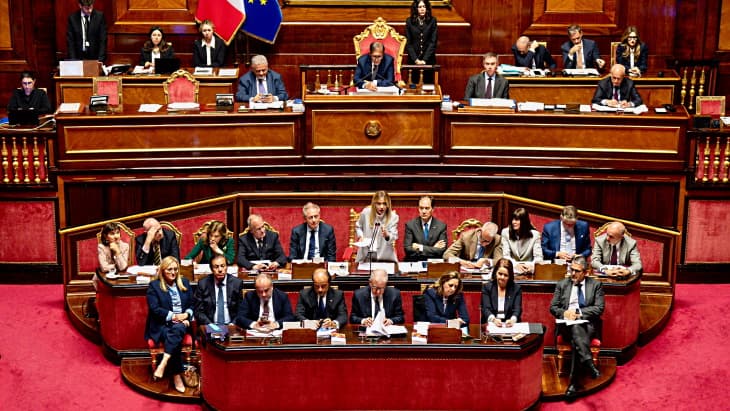
Italy’s nuclear comeback moved from political signaling toward a legal framework on 13 May, when Giorgia Meloni told parliament the government expects to approve the enabling law this summer and then issue the implementing decrees. The package would do more than reopen a policy debate. It would set up a National Programme for Sustainable Nuclear Power, an independent Nuclear Safety Authority, stronger scientific and industrial research, workforce development and public-awareness campaigns.
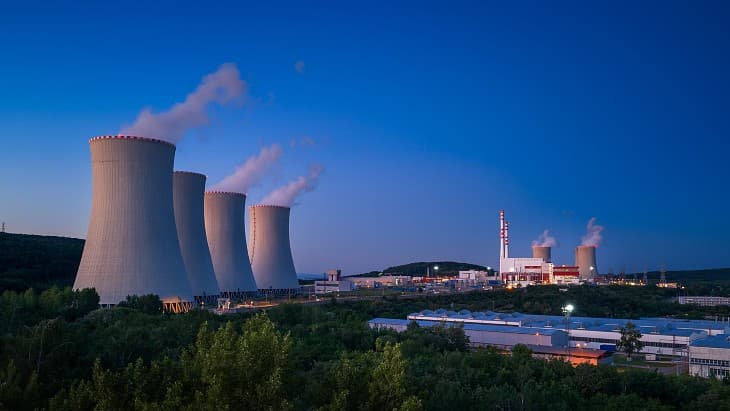
That matters because Italy has spent more than three decades outside commercial nuclear generation. Its last two operating plants, Caorso and Trino Vercellese, were shut in 1990 after the 1987 referendum ended work on the near-complete Montalto di Castro project and pushed Italy out of the sector. Trino’s Enrico Fermi unit was a 260 MW pressurized-water reactor that ran from 1964 to 1990. Caorso was an 860 MW boiling-water reactor that operated from 1981 to 1990.
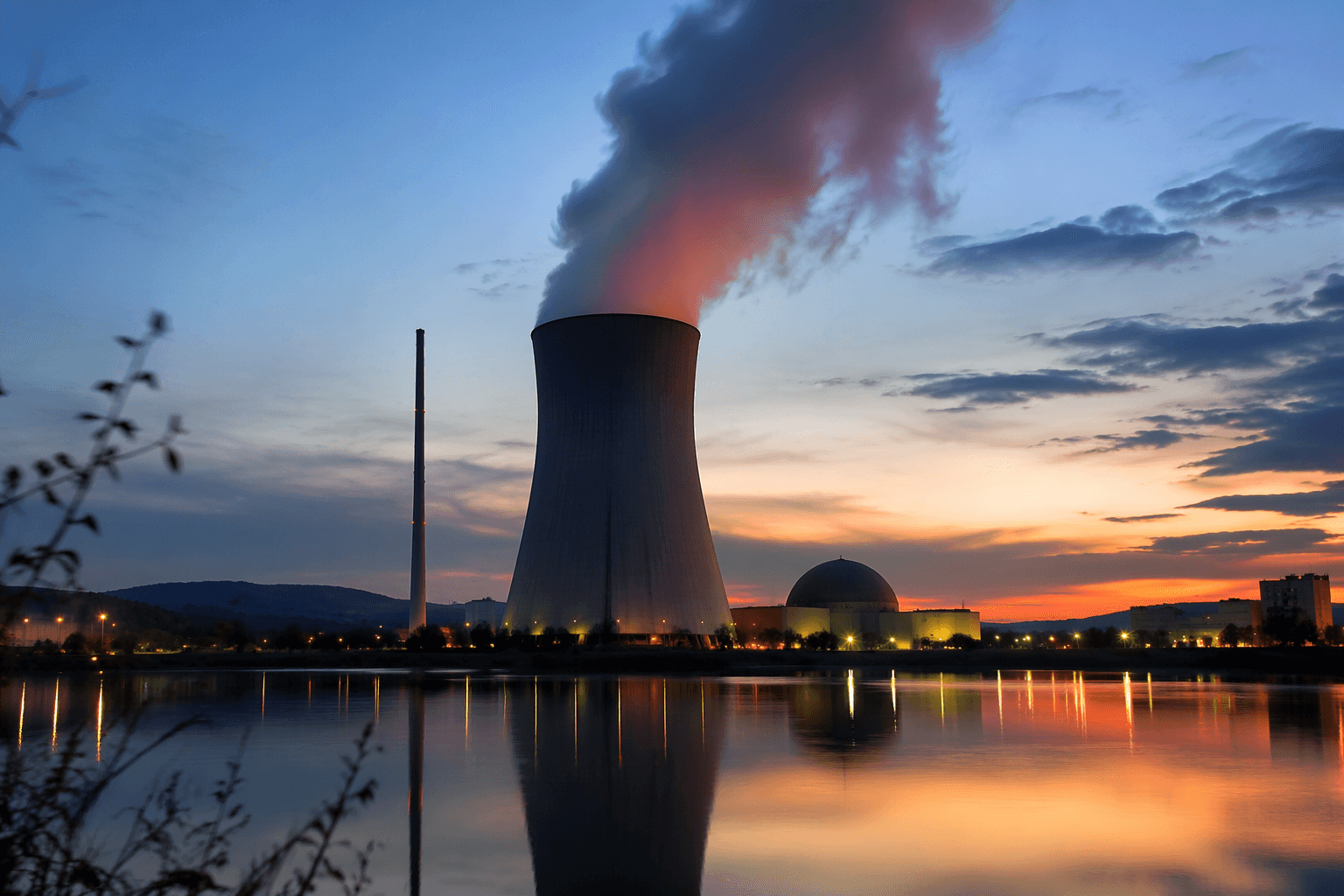
The legislative track is no longer abstract. Italy’s Council of Ministers approved a draft law on nuclear energy on 28 February 2025, and the Ministry of Environment and Energy Security said on 30 July 2025 that the Unified Conference had given the text a positive opinion, clearing it to go to parliament. The bill gives the government authority to regulate the return of sustainable nuclear power and says the implementing decrees must be adopted within 12 months after the law enters into force.
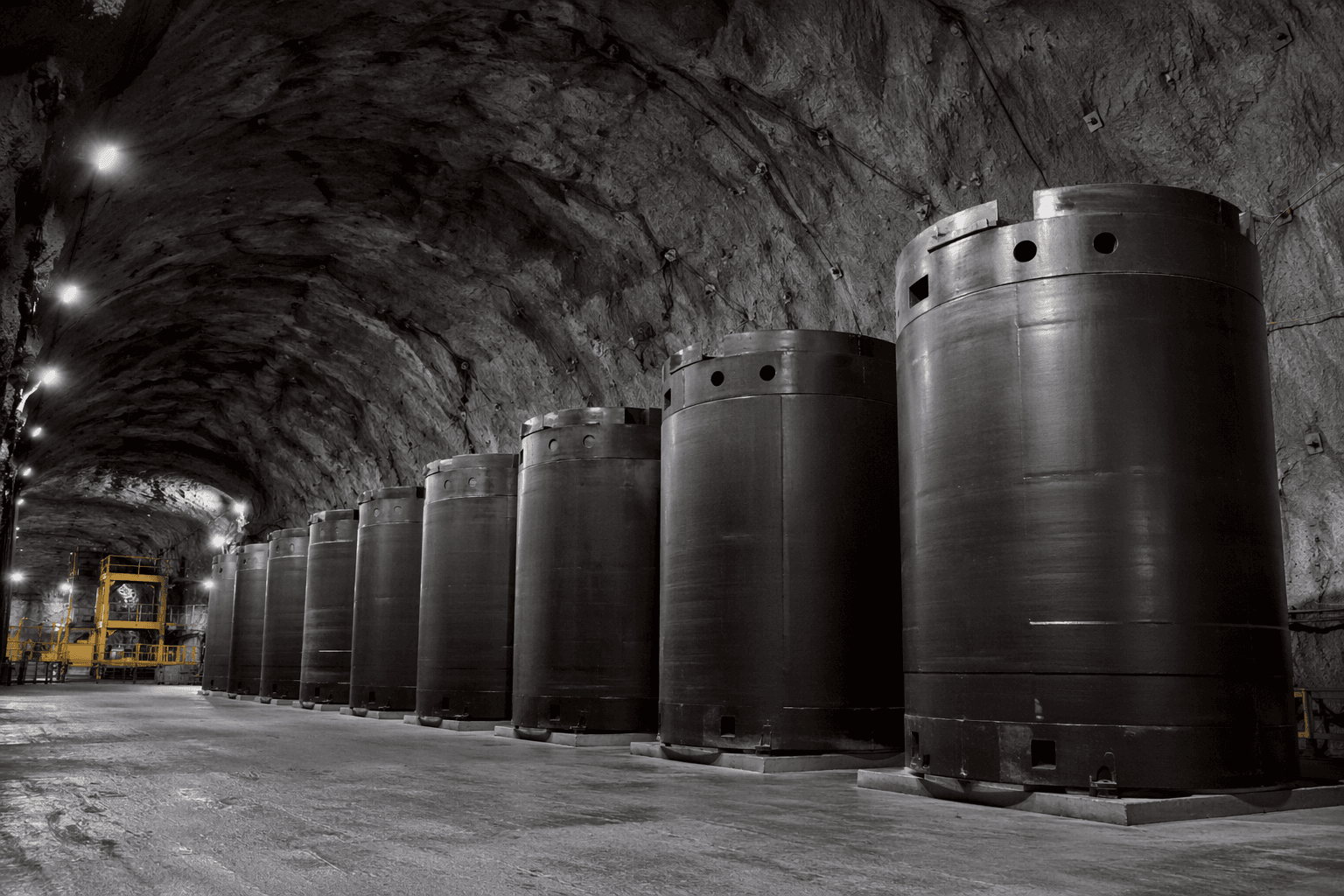
The government’s remit is broad enough to cover the whole lifecycle of the technology. The 2025 draft also includes dismantling old plants, managing radioactive waste and spent fuel, research and development on fusion, and a reorganization of competencies and functions. That points to a policy push aimed not just at reactor deployment, but at the regulatory, technical and industrial infrastructure needed to support it.
The political setting has also shifted. Parliament approved a motion in May 2023 urging the government to consider nuclear power in the energy mix, and by 2025 Italy had become a full and operational member of the French-led European Nuclear Alliance. Industry interest has followed. World Nuclear News reported that a June 2021 poll found about one-third of Italians supported reconsidering nuclear energy, while more than half said they would not rule out future use of advanced nuclear technologies. ANSA reported on 6 May 2026 that the governing majority held a summit focused on reducing energy dependence and accelerating new-generation nuclear power.
For vendors, regulators and industrial partners, the real test is whether the summer framework creates a credible route to licensing, siting and investment, or only another round of strategic intent. Italy is now close enough to the paperwork stage that the next bottleneck will decide whether the return to nuclear is real.
This article was produced by Prism’s automated news system from verified source data, official records, and press releases, then run through automated quality and moderation checks before publishing. The system is built and supervised by the people who set the standards it runs under. Read our full AI policy.
Did this article answer your question?